Grooming a Long-Haired Dachshund: Tips Every Owner Needs
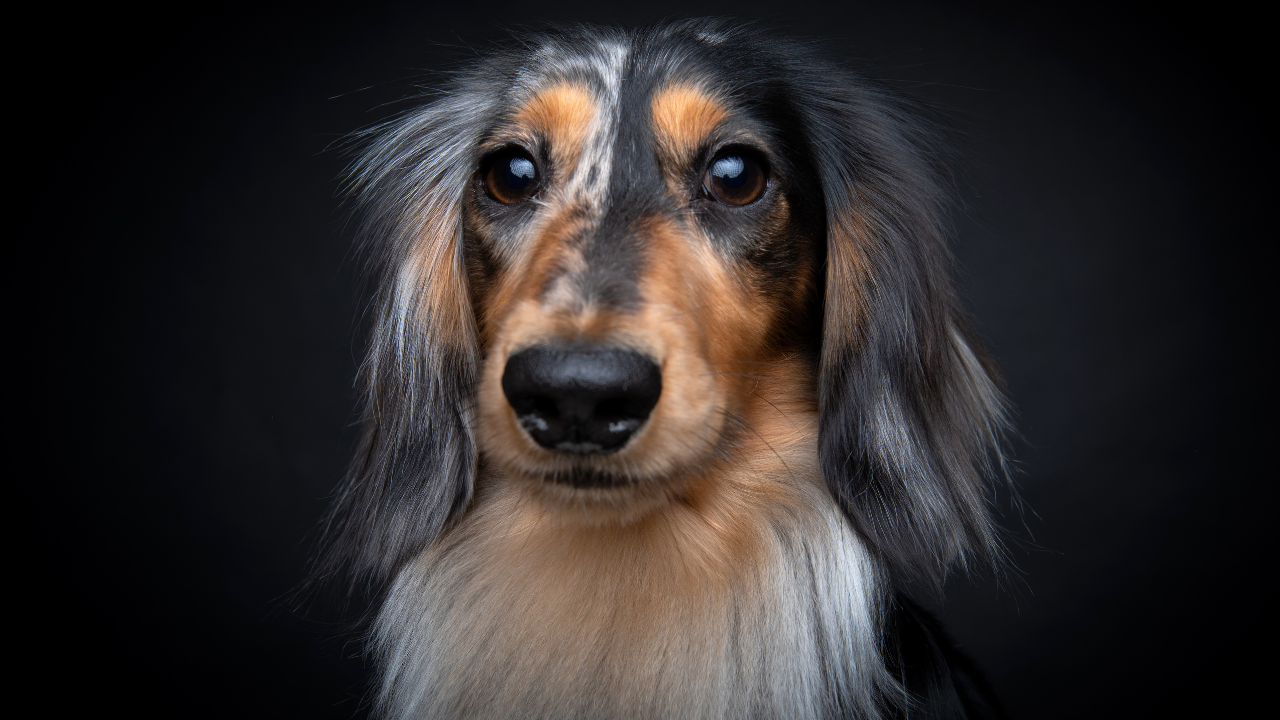
Long-haired dachshunds are one of the most charming breeds around. With their silky, flowing coats and bold personalities, they turn heads wherever they go. But that beautiful coat does not take care of itself. Without regular grooming, those soft locks can quickly turn into a tangled mess that is uncomfortable for the dog and frustrating for the owner.
Whether you own a long-haired miniature dachshund or a standard-sized dachshund, the grooming process is largely the same. This guide walks through every step of long hair dachshund grooming, from brushing and bathing to trimming and styling, so you can keep your pup looking sharp and feeling great at home.
Why Long-haired Dachshunds Need Regular Grooming
Unlike their smooth-coated cousins, long-haired dachshunds have fine, slightly wavy fur that grows in feathery fringes around the ears, chest, underbelly, legs, and tail. This coat type is prone to tangling, especially in areas where friction occurs during daily movement.
Without consistent care, small tangles turn into tight mats that pull at the skin and trap dirt, moisture, and bacteria. That can lead to irritation, hot spots, and even infection over time. Regular grooming prevents all of this while also giving you a chance to check for lumps, skin changes, or parasites that might otherwise go unnoticed.
Long-haired dachshunds come in a wide range of colors, from deep reds and blacks to the popular dachshund golden and cream shades. Regardless of the color, the grooming needs remain the same. The coat requires daily attention to stay healthy, and occasional trimming keeps it looking neat between professional visits.
Essential Tools for Long-haired Dachshund Grooming
The right tools make a real difference when working with a dachshund's fine, silky coat. Grabbing the wrong brush or using dull scissors can damage the hair and make the experience unpleasant for the dog.
- Pin Brush:
This is the go-to daily brush for long-haired dachshunds. The rounded pins glide through the coat without pulling, making it gentle enough for everyday use. It works well for smoothing out the feathering on the ears, chest, and tail.
- Slicker Brush:
A slicker brush gets deeper into the coat to catch tangles before they become mats. It is especially helpful during shedding season when the undercoat loosens up. Owners who are new to using one should read up on proper slicker brush technique to avoid pressing too hard on the skin.
- Steel Comb with Fine and Medium Teeth:
After brushing, a steel comb catches anything the brush missed. Running it through the coat behind the ears, between the legs, and along the underbelly is the quickest way to confirm the coat is truly tangle-free.
- Grooming Scissors (straight and thinning shears):
Straight scissors handle the main trimming work around the paws, ears, and sanitary areas. Thinning shears blend the edges so the trim looks natural rather than blunt. Choosing the right pair matters, and a good set of grooming scissors will last for years.
- Detangling Spray:
A light mist of detangling spray before brushing helps the comb glide through stubborn knots without breaking the hair. This is especially useful for dachshunds with thicker or wavier coats.
- Nail clippers and Ear Cleaning Solution:
Grooming is not just about the coat. Nails and ears need attention too, and having these tools ready means you can handle everything in one session.
How to Groom a Long-haired Dachshund Step by Step
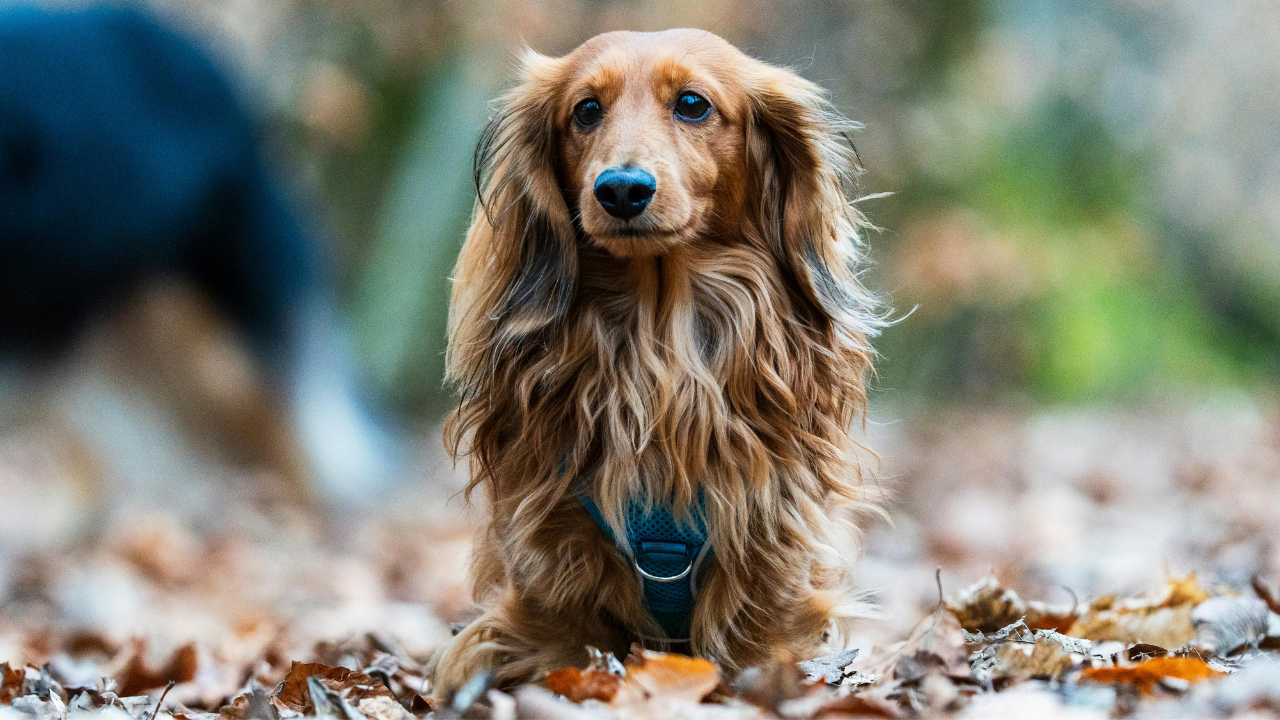
Step 1: Brush Out the Coat
Start every grooming session with a thorough brush-out. Work through the entire coat with the pin brush first, moving in the direction of hair growth. Pay extra attention to the ears, chest, underbelly, and the backs of the legs, where tangles tend to form. Before brushing, lightly mist the coat with a brushing spray to minimize hair breakage.
If you hit a knot, do not pull through it. Hold the base of the tangle close to the skin with one hand and gently work through it with the brush. For stubborn mats that will not budge, a detangling spray can help loosen them. If a mat has tightened too close to the skin, it is safer to carefully cut it out with a mat splitter or scissors than to force a brush through it. Owners dealing with frequent matting problems will find these mat removal tips helpful for handling tough spots without hurting the dog.
Step 2: Bathe and Dry
Long-haired dachshunds do not need frequent baths. Once every four to six weeks is usually enough, unless the dog has rolled in something unpleasant. Bathing too often strips the coat of its natural oils, which can leave the fur dry and dull. When it is bath time, a gentle dog-specific shampoo works best. Dachshunds with sensitive skin or flaky coats may benefit from a moisturizing formula. The shampoo matters more than most people realize, and what professional groomers reach for is usually a step above what sits on pet store shelves.
Rinse thoroughly. Leftover shampoo residue can cause itching and dandruff, so take the time to rinse until the water runs completely clear.
Drying is just as important as the bath itself. Towel dry first, then use a dog-safe blow dryer on a low heat setting. Brush through the coat while drying to prevent tangles from setting in as the hair dries. Skipping this step is one of the most common reasons long-haired dachshunds end up matted shortly after a bath. A full breakdown of safe drying methods can help owners who are not sure how to handle this step properly.
Step 3: Trim the Ears
The ears are one of the most distinctive features on a long-haired dachshund and one of the areas that need the most attention. The feathering around the ear edges can grow long and uneven, collecting dirt and food debris if left untrimmed.
Lightly mist the ear hair with water to weigh it down, then comb it straight. Using straight scissors, trim along the natural edge of the ear flap to create a clean, rounded shape. For a softer finish, use thinning shears at the tips to blend the ends rather than leaving a hard cut line.
Step 4: Tidy the Paws and Underbelly
Hair grows between the paw pads and around the feet, picking up dirt, mud, and small debris during walks. Trim the hair between the pads with small scissors, keeping it flush with the bottom of the paw. Then, neaten the hair around the edges of each foot so the paw looks tidy without looking shaved.
The underbelly is another area where long hair collects tangles quickly. Comb through the belly fur and trim any sections that hang low enough to drag on the ground. This also keeps the sanitary area cleaner between baths.
Step 5: Shape the Tail
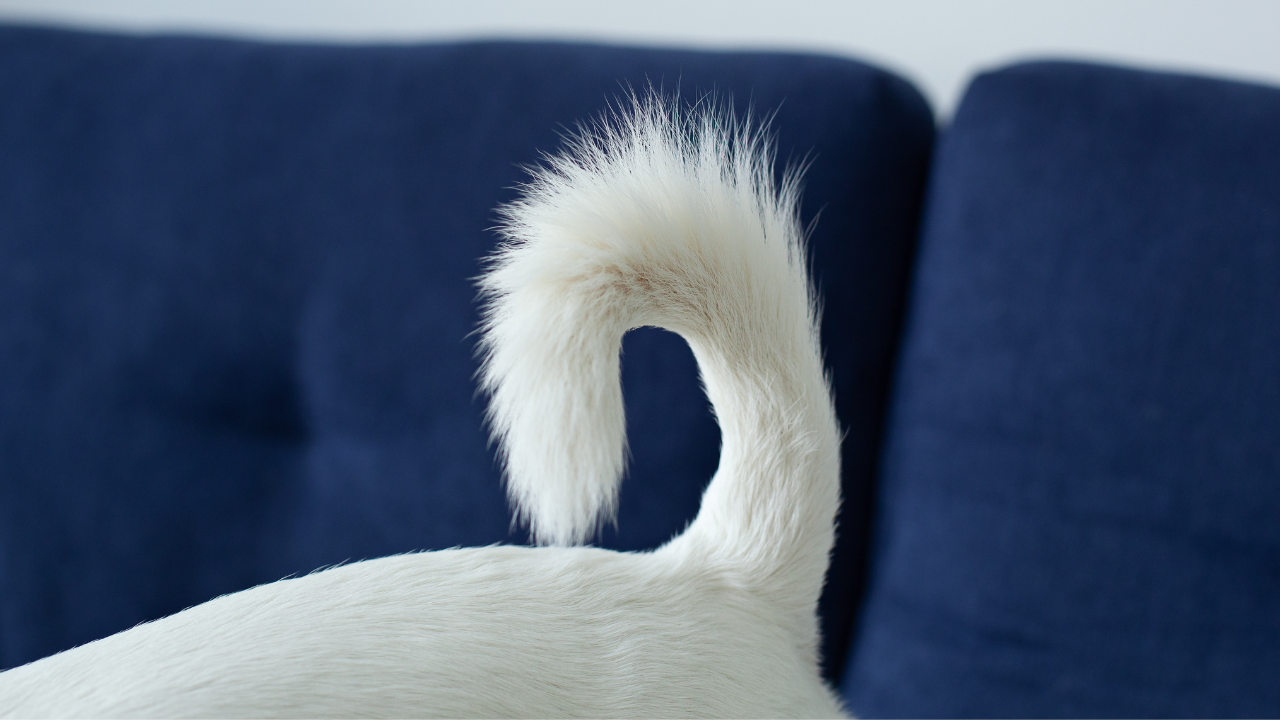
The tail is the crown jewel of a long-haired dachshund's coat. It should look full and flag-like, not scraggly or uneven. Comb the tail hair out fully and use thinning shears to remove bulk from the underside without shortening the overall length.
Avoid cutting the tail hair too short. The goal is to create a natural, tapered shape that flows with the rest of the coat. A few passes with the thinning shears usually does the job.
Step 6: Clean the Ears and Trim the Nails
Dachshunds are prone to ear infections because their long, floppy ears trap moisture and limit airflow. After trimming the ear feathering, check inside the ear canal for redness, odor, or buildup. A gentle ear cleaning routine after every bath goes a long way toward preventing problems.
Nails should be trimmed every three to four weeks. Overgrown nails change how a dog walks and can cause joint discomfort over time. Dachshunds already carry a long spine that puts pressure on their back, so keeping nails at a proper length is especially important for this breed. If nails have been neglected, a careful approach to cutting overgrown nails will help get them back to a healthy length safely.
Popular Haircuts for Long-haired Dachshunds
Not every owner wants the same look for their dachshund. Here are three of the most common haircuts for long-haired dachshunds.
The Natural Cut
This style keeps the coat at its full length with minimal trimming. The ears, paws, underbelly, and tail are tidied up, but the overall flow of the coat stays intact. It works well for dogs with straight, manageable hair that does not mat easily.
The Puppy Cut
A puppy cut trims the coat to a uniform short length all over the body. It dramatically reduces brushing time and keeps the dog cooler in warmer months. The trade-off is that it needs to be maintained every six to eight weeks or the coat starts growing back unevenly.
The Show Cut
This is the most detailed style and follows breed-standard guidelines. The feathering on the ears, chest and tail is carefully shaped while the body coat is thinned and blended. It takes time and skill to pull off well, and most owners leave this one to a professional groomer.
How Often Should You Groom a Long-haired Dachshund?
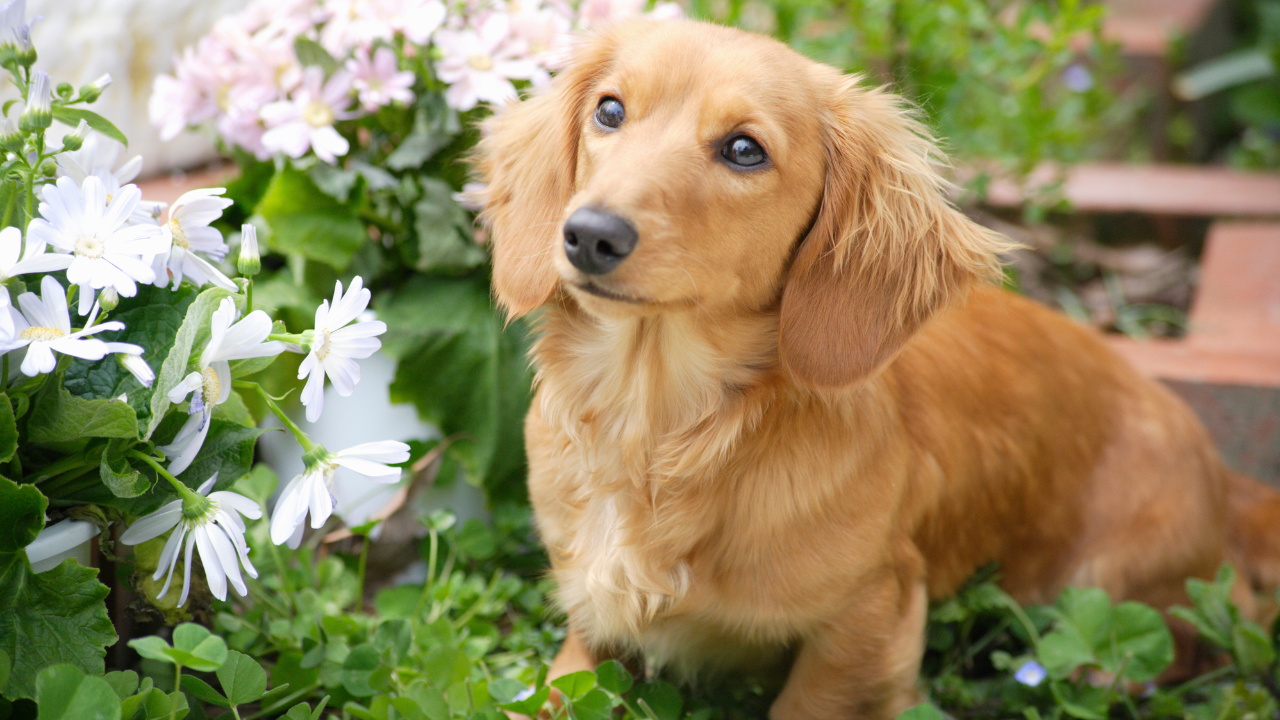
Daily brushing is ideal, even if it only takes five minutes. A quick pass with the pin brush each day prevents tangles from building up and keeps the coat looking smooth.
Full grooming sessions that include bathing, trimming, and nail care should happen every four to six weeks. During heavy shedding periods in spring and fall, brushing twice a day and scheduling a professional de-shedding treatment can keep loose fur under control.
Ear checks should happen weekly, and nails should be trimmed at least once a month.
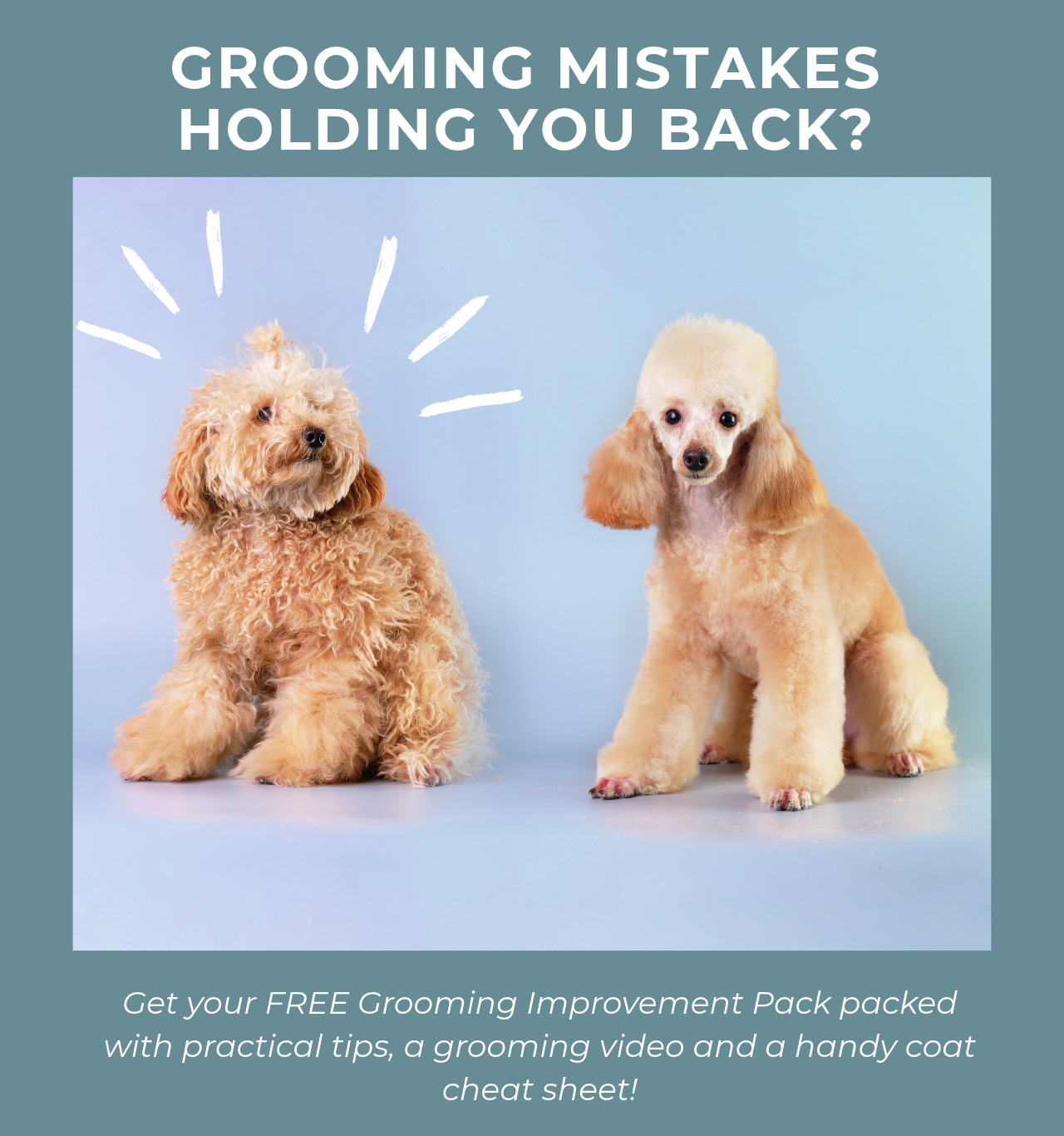
Common Long-haired Dachshund Grooming Mistakes
Even dedicated owners make mistakes that can set back their grooming routine. The most common ones include:
- Over-bathing: Washing more than once a month strips the coat's natural oils and can lead to dry, flaky skin that is itchy and uncomfortable.
- Brushing only the top layer: The tangles that cause real problems form underneath the surface coat. If the comb cannot pass smoothly all the way to the skin, then the job is not done.
- Cutting the tail too short: The tail is supposed to look full and flowing. Over-trimming ruins the natural shape and takes months to grow back.
- Ignoring the paw pads: Hair between the pads traps moisture and debris, which can lead to irritation or fungal issues.
- Skipping grooming when the coat looks fine: By the time tangles are visible, they have usually been building for days. Prevention is always easier than correction.
Build Your Dachshund Grooming Confidence with PDGA
Grooming a long-haired dachshund at home is very doable, but knowing the right techniques makes the difference between a stressful session and a smooth one. Small mistakes like brushing too aggressively, using the wrong blade, or skipping the drying step can set back weeks of coat care in a single session.
PDGA is a trusted online dog grooming courses provider that trains students through video walkthroughs, quizzes, and hands-on assignments reviewed by certified grooming professionals. All flagship courses are internationally accredited by ICOES and award a professional certificate upon completion.
PDGA has also partnered with Pet Sense College to offer diplomas in canine behavior, psychology, training, and anatomy for students who want to go deeper into the science behind how dogs think, move, and respond.
The following courses are being offered by PDGA:
Dog Groomer Assistant Course
Built for absolute beginners with no prior grooming experience. This course covers dog breeds, coat types, bathing, brushing, drying, and canine behavior basics. It is the ideal starting point for anyone who wants to prepare dogs for styling or build a foundation before moving to advanced training.
Intermediate Dog Grooming Course
Designed for students who have completed the Assistant course or already have foundational grooming skills. This level dives deeper into clipping, scissoring, and section-by-section styling techniques that prepare students for real salon work.
Professional Dog Grooming Course
This is the most advanced course in the PDGA lineup. It focuses on breed-standard grooming according to AKC specifications through demo-heavy video lessons. After completing this course, students are equipped to work in a professional salon or launch their own grooming business.
Mini-Courses for Pet Parents
Not everyone wants to become a professional groomer. PDGA's mini-courses are shorter programs designed for dog owners who want to learn specific topics without committing to a full certification. Options include Dogs Decoded (breeds, anatomy and coat types), Canine Nutrition 101 and Canine Health & First Aid.
Final Thoughts
Grooming a long-haired dachshund is less about perfection and more about consistency. A few minutes of brushing each day, regular baths with the right products, and occasional trimming around the ears, paws, and tail are all it takes to keep that silky coat looking its best. The effort pays off in a healthier, more comfortable dog who looks as good as they feel.