How to Get Mats Out of Dog Hair?
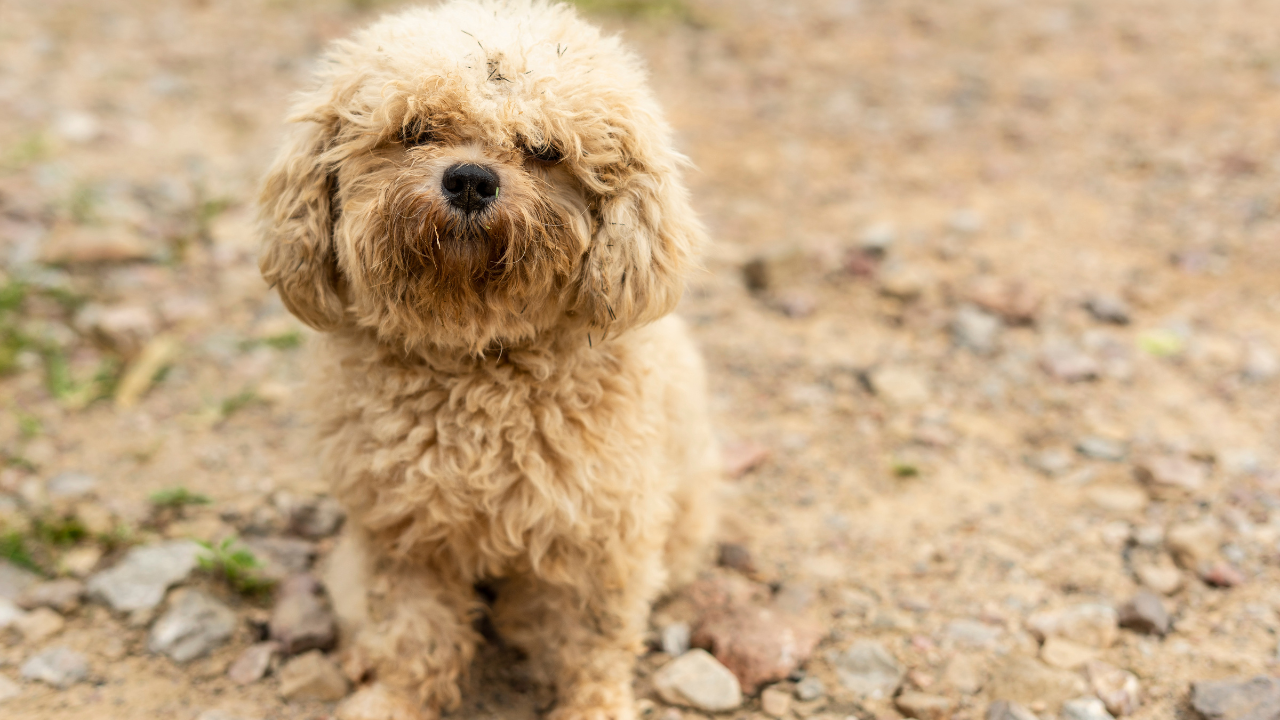
Dogs bring joy, companionship, and endless love, but caring for their coats is essential to keep them healthy and comfortable. One common challenge many dog owners face is matted dog hair. Whether your dog has long silky fur or curly locks, mats can form, causing discomfort and even health problems if left untreated. This guide will help you understand what mats are, why they occur, and how to get mats out of dog hair and prevent them safely.
What Are Mats in Dog Hair?
Mats are clumps of tangled hair that stick together, forming knots in your dog’s coat. They can range from small, easily manageable tangles to severely matted dog hair that sticks tightly to the skin. They can form anywhere on a dog’s body, but are most common in areas with friction, such as behind the ears, under the legs, and around the collar line. Mats often feel firm or spongy, depending on their size and the length of your dog’s fur. Over time, mats can trap dirt, moisture, and bacteria, leading to irritation or infection.
Why Matted Dog Hair Is a Serious Problem
Many pet owners underestimate the severity of matted fur, viewing it as merely a cosmetic issue. However, severely matted dog hair creates several health concerns:
Skin Problems:
Mats trap moisture against the skin, creating the perfect environment for bacterial and fungal infections. The constant pulling can also cause skin irritation, hot spots, and open wounds.
Restricted Movement:
Large mats, especially around joints and the legs, limit your dog's ability to move comfortably. This can affect their gait and overall mobility.
Parasites:
Tangled clumps of hair create perfect hiding places for ticks, mites, and fleas on dogs. These parasites can multiply unnoticed within the matted areas, causing infestations that lead to serious skin infections and diseases.
Pain and Discomfort:
As mats tighten, they pull on the skin continuously. Imagine wearing a shirt several sizes too small. That constant tension causes chronic pain and stress for your dog.
Impaired Temperature Regulation:
Your dog's coat naturally regulates body temperature. Dog matted hair fur disrupts this function, making your pet vulnerable to overheating in summer and inadequate insulation in winter.
What Dog Breeds Are More Likely to Develop Mats?
Certain breeds face a higher risk of developing mats because of their unique coat characteristics. Dogs with long, curly, dense, or double-layered fur need consistent grooming attention to stay tangle-free. The breeds most susceptible to matting include:
- Poodles and Poodle mixes
- Shih Tzus
- Bichon Frises
- Golden Retrievers and Labradoodles
- Collies and Shetland Sheepdogs
While any dog can develop mats, breeds with thick undercoats or continuous hair growth are especially vulnerable. Dogs with these coat types often require regular grooming to prevent matting.
Common Causes of Dog Matted Hair
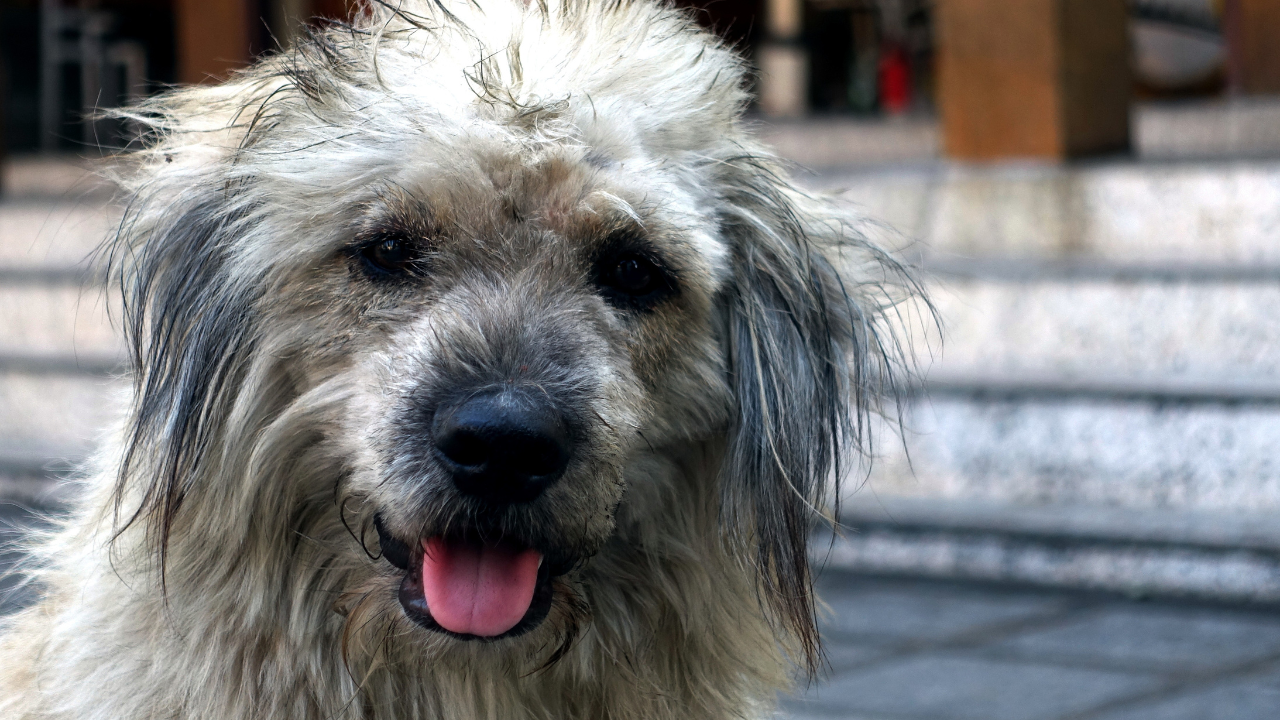
Understanding what causes mats helps you prevent them effectively:
- Infrequent Brushing: This is the primary cause. When dead hair isn't removed regularly, it tangles with healthy fur.
- Moisture Exposure: Water makes fur clump together. Dogs that roll in the grass after rain, swim, or get caught in storms are at higher risk. Improperly dried fur after bathing is another common culprit.
- Friction Points: Constant rubbing from collars, harnesses, sweaters, or where your dog lies down creates tangles. Common friction areas include the neck, armpits, behind the ears, and under the tail.
- Shedding Season: During seasonal coat changes, loose undercoat hair can weave into the topcoat if not brushed out promptly.
- Skin Conditions: When dogs suffer from allergies or skin irritation, they tend to scratch and lick excessively. This constant friction leads to tangling and mat formation in affected areas. If your dog is losing hair in patches, the surrounding area often becomes matted.
- Lack of Professional Grooming: Many breeds need professional trims every 6-8 weeks to maintain coat health and prevent matting.
Signs Your Dog Has Severe Matting
Early detection makes removal easier and less stressful. Watch for these warning signs:
- Visible clumps of tangled fur that feel firm to the touch
- Behavior changes, such as reluctance to be petted in certain areas
- Excessive licking or biting at specific spots
- Difficulty moving or stiff gait, especially if mats are near joints
- Skin redness or irritationis visible when you part the fur
- Odor emanating from the coat indicates trapped moisture and bacteria
Severely matted dog hair often appears as a solid mass rather than individual knots. In extreme cases called "pelting," the entire coat becomes one continuous mat, making it impossible to reach the skin with a brush.
Is Matted Dog Hair Painful?
Yes, matted dog hair causes significant pain and discomfort. Here's why:
The constant pulling creates a sensation similar to having your hair tied too tightly in a ponytail all day, every day. As mats tighten, they pull the skin upward, causing tension that never releases.
When mats form near joints or moving parts, every step your dog takes increases the pulling sensation. Imagine walking with knots of hair tugging at your skin with each movement.
Severely matted areas can cut off blood circulation to the skin, leading to tissue damage and necrosis in extreme cases. The trapped moisture and debris irritate the skin, often causing painful sores and infections that require veterinary care.
Tools You Need to Remove Matted Dog Hair
Having the right equipment makes mat removal safer and more effective:
Essential Tools:
- Dematting comb or mat splitter: Features sharp, curved blades designed to cut through mats
- Slicker brush: Wire bristles help separate loosened tangles
- Metal comb: Wide-toothed for initial work, fine-toothed for finishing
- Detangling spray: Dog-safe conditioning spray lubricates hair
Additional Helpful Items:
- Blunt-tip scissors: Only for careful trimming when absolutely necessary
- Professional-grade clippers: best dog clippers for matted hair with strong motors
- Non-slip mat: Keeps your dog stable during grooming
- High-value treats: Rewards for cooperation
- Grooming table (optional): Makes the process easier on your back
For professional groomers who frequently handle severe cases, obtaining a license to groom dogs demonstrates expertise and builds client trust.
Step-by-Step Guide: How to Get Mats Out of Dog Hair
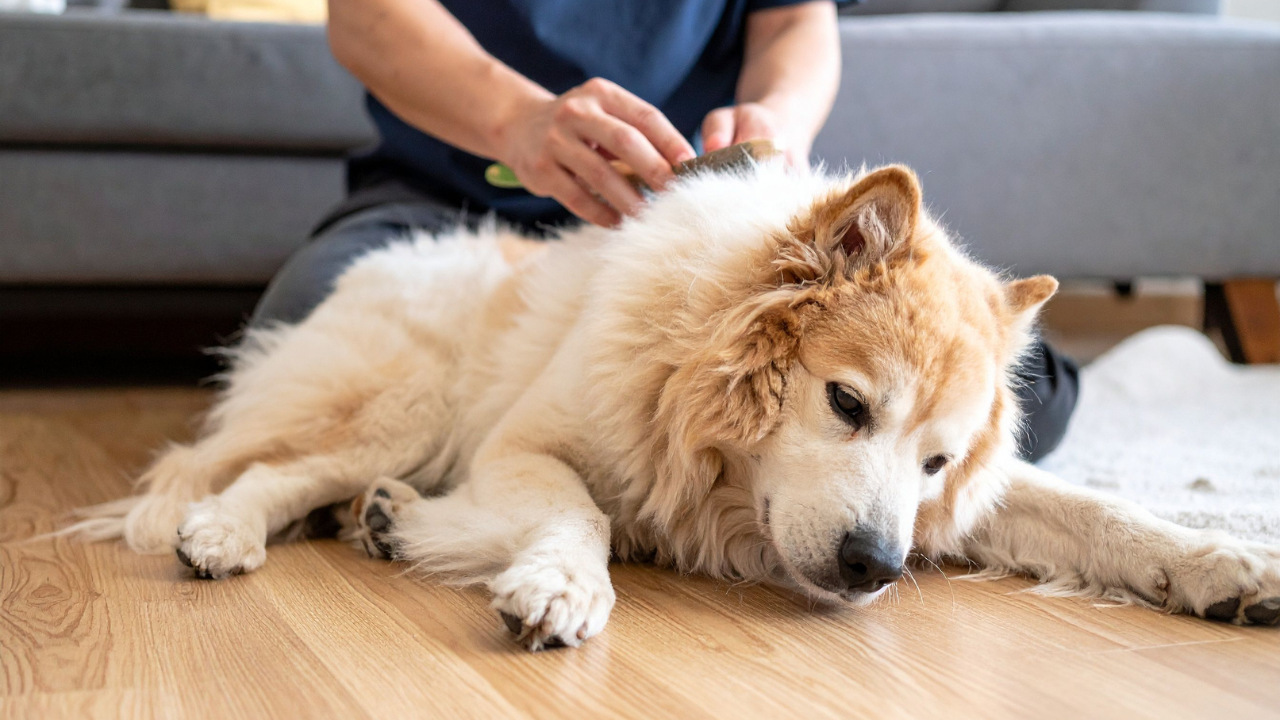
Wondering how to get mats out of dog hair safely? Follow this systematic approach for effective mat removal:
Step 1: Assess the Situation
Examine your dog's entire coat to determine the extent of matting. Check common problem areas: behind the ears, under the collar, armpits, belly, rear legs, and tail base.
Step 2: Prepare Your Dog
Choose a quiet time when your dog is calm. Have treats ready and ensure they've had recent exercise and a bathroom break. Create a positive association with grooming from the start.
Step 3: Start with Dry Fur
Never work on wet mats. If your dog is wet, dry them completely with towels and a blow dryer on low heat. Wet mats tighten and become nearly impossible to remove.
Step 4: Apply Detangling Spray
Generously spray the matted area with a dog-safe detangling product. Let it penetrate for several minutes to soften the hair.
Step 5: Work from the Outside In
Hold the mat at the base near the skin to prevent pulling. Using your fingers or a mat splitter, gently tease apart the outer edges of the mat. Work in small sections, never yanking or forcing.
Step 6: Use the Dematting Tool
Position the mat splitter under the mat, parallel to the skin. Gently work upward in short strokes, cutting through the tangle vertically. Be extremely careful not to touch the skin with the blade.
Step 7: Brush Out Loosened Hair
Once you've split the mat into smaller sections, use a slicker brush to work through the remaining tangles gently. Always brush in the direction of hair growth.
Step 8: Final Comb
Run a metal comb through the area to ensure all tangles are removed. If the comb passes through smoothly, you've successfully remove matted dog hair.
How to Remove Small Mats Without Hurting Your Dog
Small mats caught early are much easier to handle:
- Isolate the mat: Separate it from surrounding fur to see exactly what you're working with
- Hold the base: Place your fingers between the mat and the skin to act as a buffer
- Use your fingers first: Try gently pulling apart the edges manually before using tools
- Work in short sessions: Take breaks every 5-10 minutes to prevent frustration
- Reward frequently: Give treats and praise throughout the process
- Apply cornstarch: This natural powder can help loosen stubborn small mats
For mats near sensitive areas like the face or belly, extra caution is necessary. Keep sessions brief and positive.
What NOT to Do When Your Dog's Hair Is Matted
Avoid these common mistakes that make the situation worse:
Never Use Regular Scissors: Cutting mats with standard scissors is extremely dangerous. The skin can easily get caught and severely cut, especially since mats often sit right against the body.
Don't Bathe First: Water causes mats to shrink and tighten. Always remove matted dog hair before bathing, not after.
Avoid Pulling or Yanking: Aggressive pulling hurts your dog and damages healthy hair. Patience is essential.
Don't Ignore The Problem: Mats never improve on their own. They only get larger and more painful. Address them immediately upon discovery.
Skip DIY on Severe Cases: If mats cover large areas, are extremely tight, or your dog shows signs of pain or skin damage, professional help is necessary.
Never Groom an Aggressive Dog Alone: If your dog shows aggression during grooming, seek professional assistance rather than risking injury to yourself or your pet.
How to Prevent Matting in Long-Haired Dogs
Prevention is always easier than treatment. Follow these strategies:
- Establish a Brushing Routine: Brush your dog daily if they have a long or curly coat, at least 3-4 times weekly for medium coats. Make it a pleasant bonding experience.
- Focus on Problem Areas: Pay extra attention to friction zones, underarms, behind ears, and where your dog wears collars or harnesses.
- Dry Thoroughly After Baths: Use a blow dryer on low heat while brushing to prevent tangles from forming as the coat dries.
- Schedule Regular Professional Grooming: Most long-haired breeds need professional grooming every 6-8 weeks to maintain coat health.
- Keep Hair Trimmed: Regular trims, especially around the paws, ears, and sanitary areas, reduce matting risk.
- Use Quality Products: Invest in good brushes designed for your dog's coat type and conditioning sprays that prevent tangling.
- Address Health Issues Promptly: Skin problems lead to excessive scratching and mat formation. Treat conditions early.
- Remove Wet Gear: Take off wet collars, harnesses, and clothing promptly to prevent moisture-related matting.
When to Visit a Professional Dog Groomer
Professional help becomes necessary when matting is extensive or covers more than 25% of your dog's coat. If you encounter pelting (where the entire undercoat forms one solid mat), tight mats close to the skin, or mats in sensitive areas like the face and ears, don't attempt removal at home.
Seek professional grooming immediately if your dog shows pain, has visible skin damage, or becomes aggressive during your removal attempts. Groomers have specialized tools and training to handle severe cases safely, and may recommend a complete shave-down when necessary.
Take Your Grooming Knowledge to the Next Level
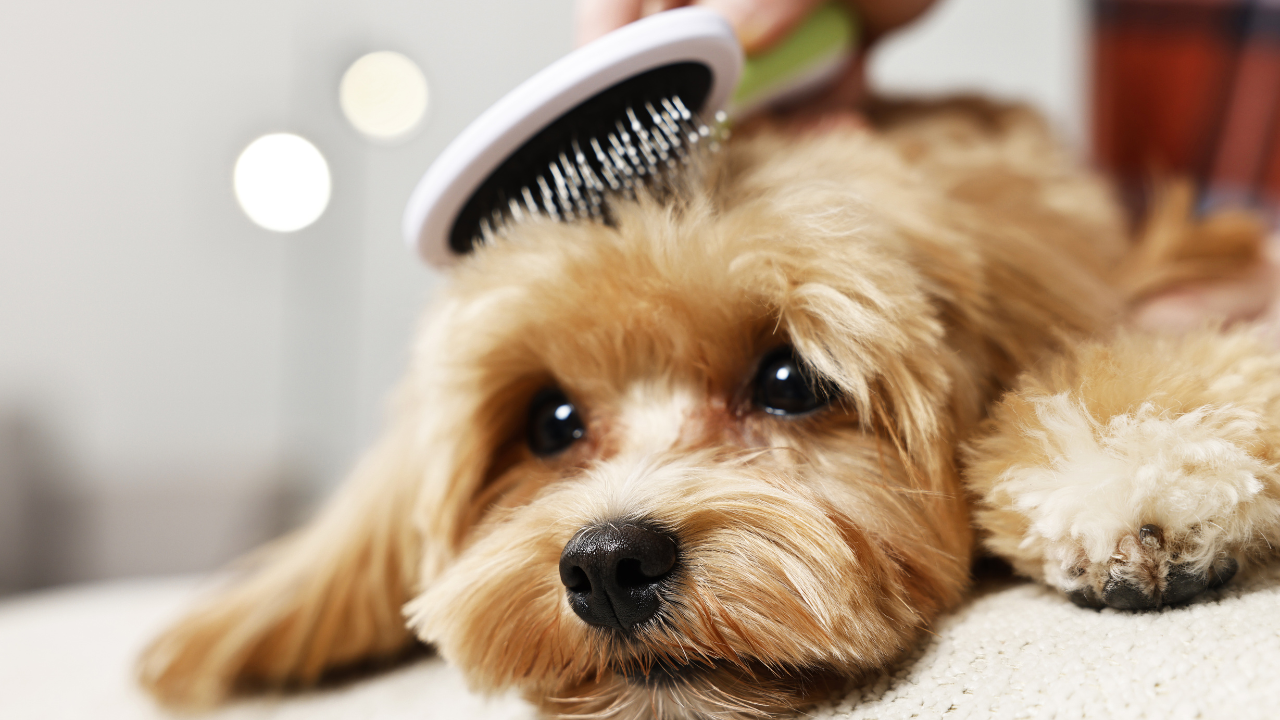
Understanding mat removal is just the beginning of proper dog care. If you want to master advanced grooming techniques and handle even the most challenging coat conditions, certified dog grooming programs offer in-depth training on everything from breed-specific styling to medical grooming needs. These professional courses teach you to work confidently with all coat types and severity levels. For pet owners seeking convenient learning options, online courses for dog grooming provide step-by-step instruction you can practice at home. Whether grooming your own dogs or considering a career change, proper education ensures you handle every matting situation safely and effectively.
Final Thoughts
Learning how to get mats out of dog hair requires patience, the right tools, and consistent effort. While removing mats can be time-consuming and challenging, it's a crucial aspect of responsible pet ownership. The discomfort and health risks associated with severely matted fur make prevention and early intervention essential.
Remember that every dog is different. Some breeds need daily brushing, while others do fine with weekly sessions. Pay attention to your individual dog's needs and adjust your grooming routine accordingly.
If you're ever unsure about safely removing mats, don't hesitate to consult with a professional groomer or veterinarian. Your dog's comfort and safety should always come first. With regular maintenance and proper technique, you can keep your dog's coat healthy, beautiful, and mat-free for years to come.