How to Clean a Dog's Ears
Keeping your dog healthy goes far beyond regular walks and quality food. One often overlooked but critical aspect of canine care is ear hygiene. Many pet owners do not realize that dirty ears can quickly lead to discomfort, infections, and long-term health problems if ignored. Learning how to clean a dog’s ears properly helps prevent painful ear conditions while strengthening the bond between you and your pet.
Dogs have sensitive ear structures that trap moisture, debris, and bacteria easily, especially in breeds with floppy or long ears. This guide explains when and how to clean your dog’s ears, what products are safe to use, and when professional help is required. Whether you are caring for a puppy or a senior dog, proper ear care should always be part of a responsible grooming routine.
Why Ear Cleaning Is Important for Dogs?
A dog’s ear canal is shaped differently from a human’s. It runs vertically and then horizontally, it is ‘L’ shaped, which makes it easy for wax, dirt, and moisture to get trapped inside. Without regular cleaning, this buildup can create an ideal environment for bacteria and yeast.
Routine ear cleaning helps reduce the risk of dog ear infection, prevents foul odors, and keeps your dog comfortable. Dogs that swim frequently or spend time outdoors are especially prone to ear issues. Breeds with heavy coats or a double-coated dog often experience more wax buildup because excess hair around the ears limits airflow.
Ear hygiene also plays a role in overall skin health. Dogs suffering from allergies may show signs such as itchy ears, redness, or flaky skin. In some cases, ear problems may even accompany issues like dog dandruff, signaling the need for better grooming and health monitoring.
How Often to Clean a Dog's Ears?
There is no one-size-fits-all schedule for ear cleaning. The frequency depends on your dog’s breed, lifestyle, and overall health.
Most dogs benefit from ear cleaning once every two to four weeks. Dogs with long, floppy ears or dogs that swim regularly may need weekly checks and more frequent cleaning. On the other hand, overcleaning can irritate the ear canal and strip away natural oils that protect against infection.
A good rule of thumb is to inspect your dog’s ears weekly. If they look clean and smell neutral, cleaning may not be necessary. Consistent checks matter because regular grooming is important for spotting health concerns early.
Signs Your Dog’s Ears Need Cleaning
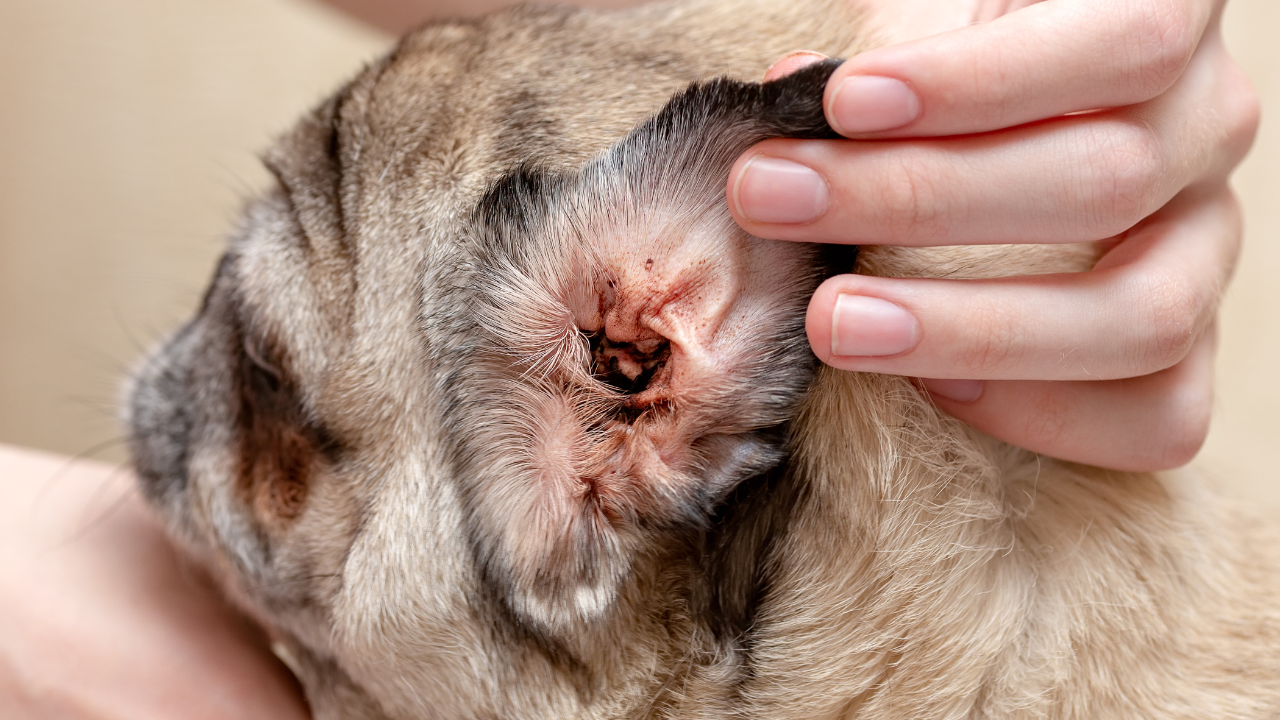
Dogs rarely hide ear discomfort, and early signs are usually easy to spot. Paying attention to behavior and physical changes can prevent minor issues from becoming serious infections.
Watch for the following signs:
- Frequent head shaking or ear scratching
- Redness or swelling inside the ear
- Strong or unusual odor
- Thick yellow, brown, or black discharge
- Sensitivity or pain when the ears are touched
These symptoms can signal ear mites, yeast overgrowth, or bacterial infections. If symptoms persist or worsen, veterinary care is necessary rather than home treatment.
What to Avoid When Cleaning Dog Ears
Knowing what not to do is just as important as knowing what to do. Improper cleaning methods can cause serious damage to a dog’s ears.
Never use cotton swabs (Q-TIPS) inside the ear canal. They push debris deeper and risk damaging the eardrum. Avoid alcohol, hydrogen peroxide, vinegar, or human ear products unless specifically recommended by a veterinarian.
Do not force your dog to stay still if they are distressed. If your dog is anxious or aggressive, slow down and reassess your approach. Learning how to safely approach a dog before handling sensitive areas like the ears reduces stress and lowers the risk of injury.
Best Ear Cleaning Solutions for Dogs
Using the right dog ear cleaning solution is essential for safe and effective ear care. Always choose products formulated specifically for dogs. These solutions are designed to break down wax while maintaining the natural balance inside the ear.
Veterinarian-recommended ear cleaners often contain gentle drying agents and mild antiseptics. Some include soothing ingredients like aloe vera to reduce irritation. Avoid heavily scented products or those with harsh chemicals.
If your dog has recurring ear issues, your vet may prescribe a medicated solution. Never substitute prescription products with home remedies unless directed by a professional.
Step-by-Step Guide: How to Clean a Dog’s Ears Safely
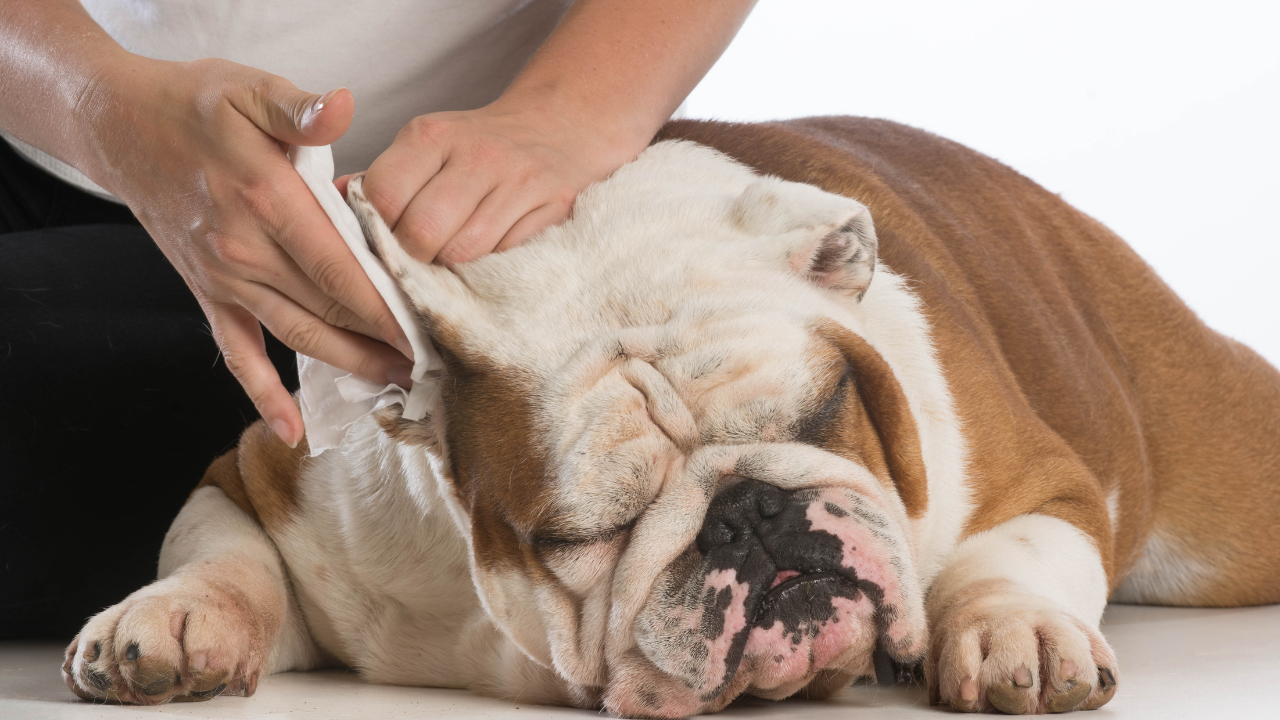
Cleaning your dog’s ears should always be calm and controlled. Follow these 5 best way to clean a dog's ears.
Step 1: Prepare Your Dog and Supplies
Before you begin, create a calm environment. Choose a quiet room where your dog feels safe. Gather all necessary supplies:
- A vet-approved ear cleaning solution
- Cotton pads or soft cloths
- Treats to reward your dog
If your dog tends to be anxious or reactive, take a few minutes to calm them with gentle petting, soothing voice, or a short cuddle. Or take them for a walk to tire them out. This step is crucial for making ear cleaning a positive experience and avoiding sudden movements.
Step 2: Inspect the Ears
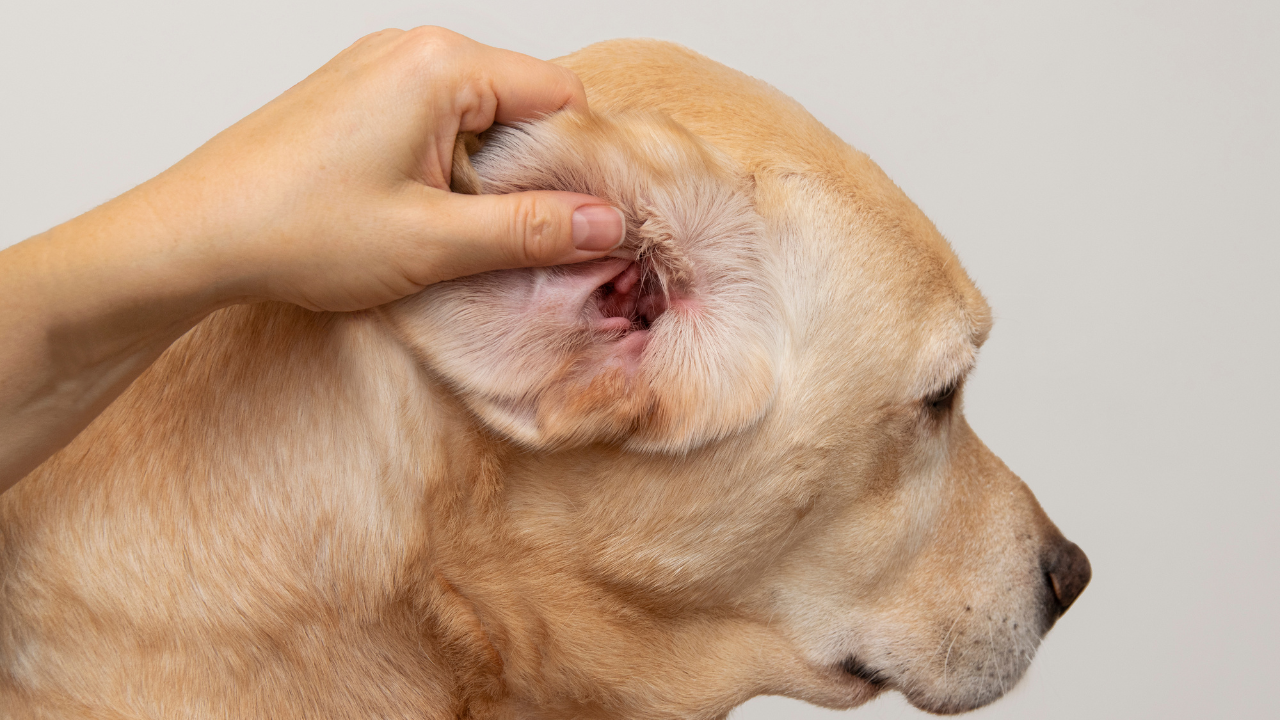
Gently lift each ear flap to check for signs of irritation or infection:
- Redness or swelling
- Unusual odor
- Discharge or excessive wax
If you notice any of these symptoms, stop cleaning and consult your veterinarian. Attempting to clean an infected ear at home can make the problem worse.
Step 3: Apply the Ear Cleaning Solution
Shake the ear cleaning solution gently, then pour a small amount(a few drops) into the ear canal, following the product instructions. Never insert the bottle tip deep into the ear; just let the solution flow in naturally.
The solution works to loosen wax and debris, preparing it for removal without causing harm to the sensitive ear canal.
Step 4: Massage and Let Your Dog Shake
After applying the solution, gently massage the base of the ear for 20–30 seconds. This helps the solution move deeper and break up wax.
Allow your dog to shake their head naturally. This is their way of removing loosened debris. Stand back slightly to avoid getting the solution on yourself or nearby surfaces.
Step 5: Wipe and Reward
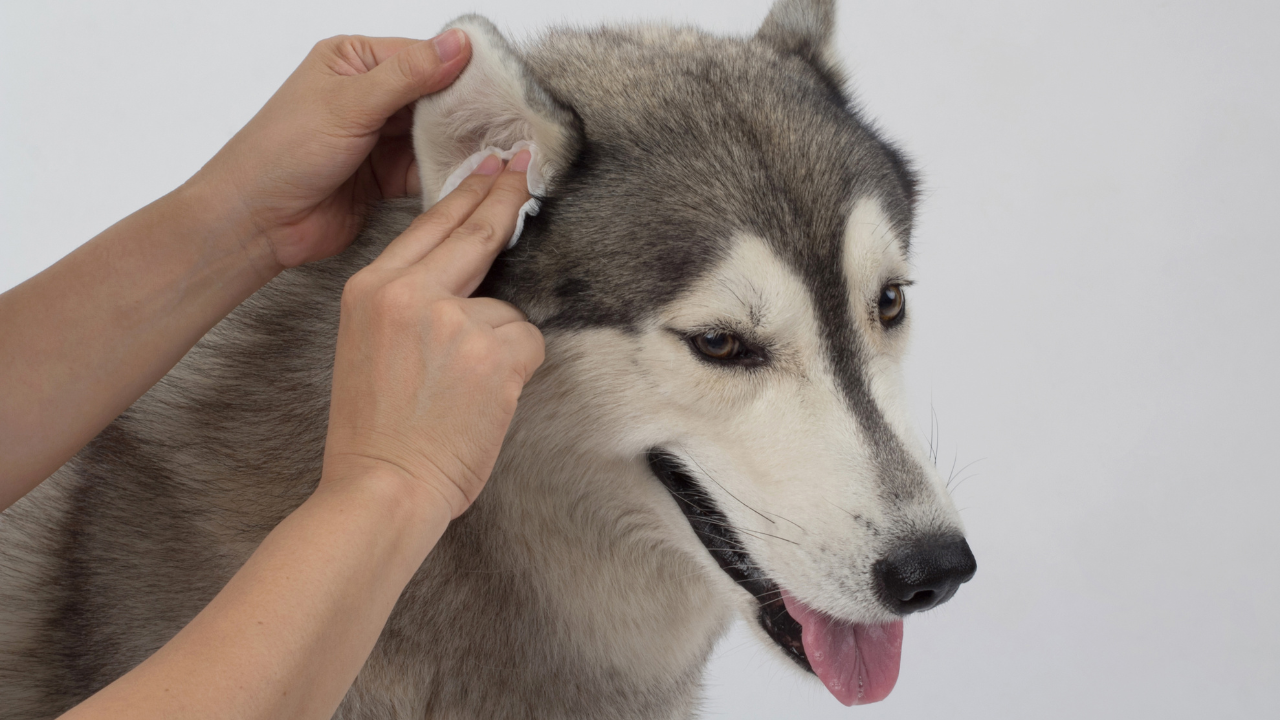
Use a cotton pad or soft cloth to gently wipe away debris from the outer ear and any visible areas of the ear canal. Do not push cotton deep into the ear canal, as this can cause injury.
Finally, praise and reward your dog with treats or gentle affection. Positive reinforcement makes future ear cleanings easier and keeps your dog cooperative.
How to Clean a Dog’s Ears with an Infection
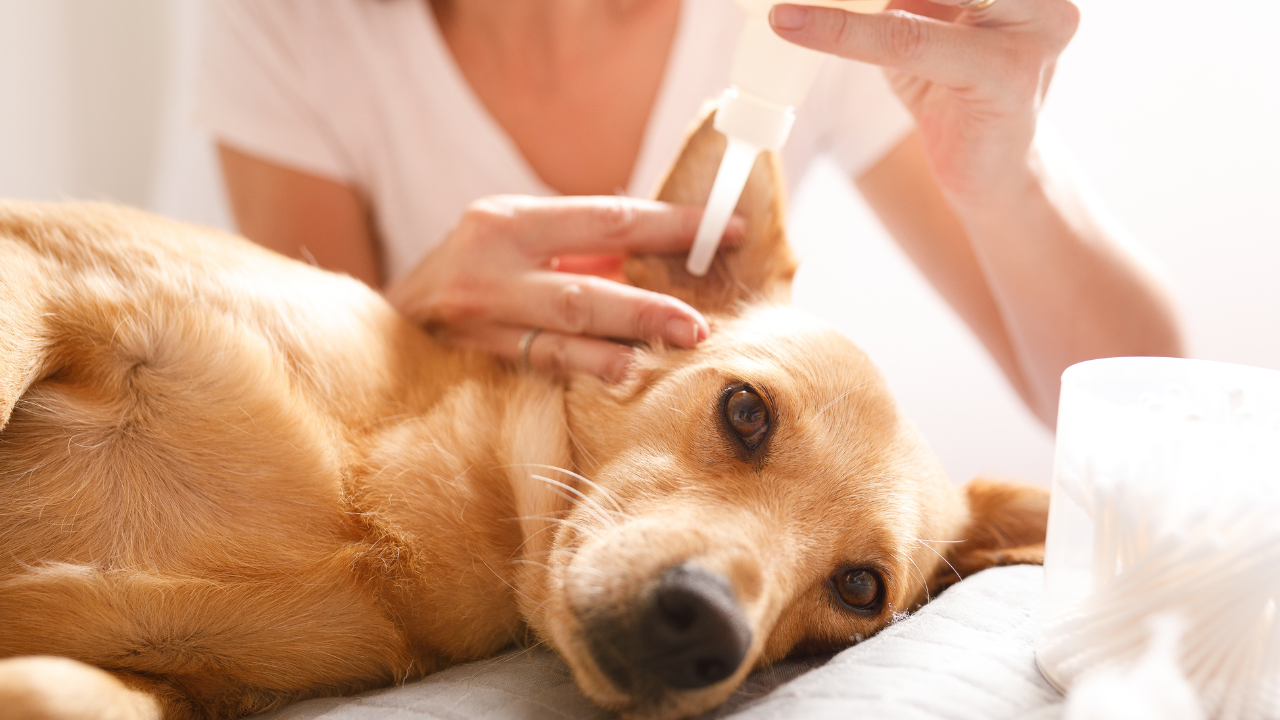
Cleaning infected ears requires extra caution. If your dog has been diagnosed with an ear infection, it is important to strictly follow your veterinarian’s instructions. Use only the recommended cleaning solution and medication, and handle the ears gently to avoid further irritation. Excessive rubbing or frequent cleaning can increase inflammation and slow the healing process.
If your dog shows signs of pain, such as yelping, flinching, or pulling away, stop the cleaning immediately. More serious infections need professional medical treatment, as home care alone may not be effective. In such cases, veterinary care is essential to protect the ear canal and prevent long-term complications.
When to Stop and Call the Vet
Some symptoms require immediate professional attention.
Contact your veterinarian if you notice:
- Bleeding or severe swelling
- Thick pus-like discharge
- Persistent foul odor
- Balance issues or head tilting
- No improvement after several days
Early intervention prevents chronic ear disease and hearing loss.
Preventing Future Ear Infections in Dogs
Prevention is always better than treatment. Keeping your dog’s ears clean and dry reduces the risk of recurring infections.
After bathing or swimming, gently dry the ears to remove moisture. Trapped water creates a breeding ground for bacteria and yeast. Learning how to get water out of a dog's ear safely after water exposure can significantly reduce infection risk.
Regular grooming also helps prevent ear issues. Trimming excess hair around the ears improves airflow and reduces moisture buildup. Following simple, quick dog grooming tips can make a noticeable difference in your dog’s ear health.
Maintaining a balanced diet and managing allergies also play a role. Dogs with food or environmental allergies are more prone to ear infections, so addressing underlying causes is essential.
Are You Supposed to Clean a Dog's Ears, But You Don't Know How?
At PDGA Online, we understand that caring for your furry friend can sometimes feel overwhelming. That’s why our courses are designed to make pet care simple, practical, and enjoyable. Learn from experienced instructors who provide clear, step-by-step guidance and real-life tips you can apply at home. Our interactive lessons cover everything you need to feel confident, from basic routines to advanced care techniques. Whether you’re a new pet owner or looking to expand your knowledge, PDGA courses give you the skills and confidence to provide the best care for your dog. Join our community today and take the first step toward becoming a more informed and confident pet owner.
Final Thoughts
Learning how to clean a dog’s ears properly is an essential part of responsible pet care. With the right tools, right dog ear cleaning solution, gentle technique, and awareness of warning signs, most ear issues can be prevented before they become serious.
Every dog is different, so adjust your routine based on your dog’s needs, breed, and lifestyle. Stay consistent, remain patient, and never hesitate to seek professional advice when something feels wrong. Healthy ears contribute to a happier, more comfortable life for your dog, and that peace of mind is worth the effort.