How to Get Rid of Dog Dandruff?
Dog dandruff might look like a minor issue at first glance, but it often signals deeper skin imbalances. Those small white flakes on your pet’s coat can make them itchy, uncomfortable, and even self-conscious if the irritation becomes constant. As loving dog owners, our goal isn’t just to make our furry companions look good, it's to help them feel their best.
Just like humans, dogs can suffer from dry or flaky skin, leading to dandruff. Fortunately, understanding the root causes and using the right dog dandruff treatment can make a remarkable difference. Whether your pet has a thick double coat or delicate sensitive skin, proper care, grooming habits, and diet all play major roles in keeping dandruff at bay.
This detailed guide explains what dandruff in dogs is, what causes it, how to identify it, and most importantly how to get rid of dog dandruff naturally and effectively.
Can Dogs Get Dandruff?
Yes, dogs can absolutely get dandruff. Many pet owners are surprised to find flakes on their dog’s fur, assuming dandruff is a “human-only” problem. In reality, dogs have sebaceous glands beneath their skin, which produce natural oils to keep their coats soft and protected. When these glands produce too much or too little oil, dandruff appears.
Some breeds, particularly double coated dogs, like Golden Retrievers, Huskies, and German Shepherds, are more prone to dandruff. Their thick fur traps debris, moisture, and dead skin, creating the perfect conditions for flaking.
Environmental changes, diet, parasites, or underlying allergies can all worsen the condition. If you notice persistent dandruff on a dog, it’s important not to ignore it. Taking a proactive approach helps keep your furry friend happy, comfortable, and itch-free.
What Does Dandruff Look Like on a Dog?
Dandruff in dogs usually appears as tiny white or grayish flakes scattered throughout the coat. You might notice them more clearly when brushing or petting your pet, especially on darker fur. Sometimes, the flakes are dry and powdery; other times, they’re oily and cling to the skin.
In mild cases, the dandruff might only appear around the back or neck area. However, in more severe cases, it can spread across the entire body. You may also see other symptoms, such as redness, irritation, or dry skin on dogs, which makes your pet scratch more frequently.
Run your fingers through your dog’s coat. If you feel rough, patchy areas, or see excessive flaking, your dog likely has dandruff. Pay close attention to spots near the tail, behind the ears, and along the spine, as these are common dandruff zones.
What Causes Dandruff in Dogs?
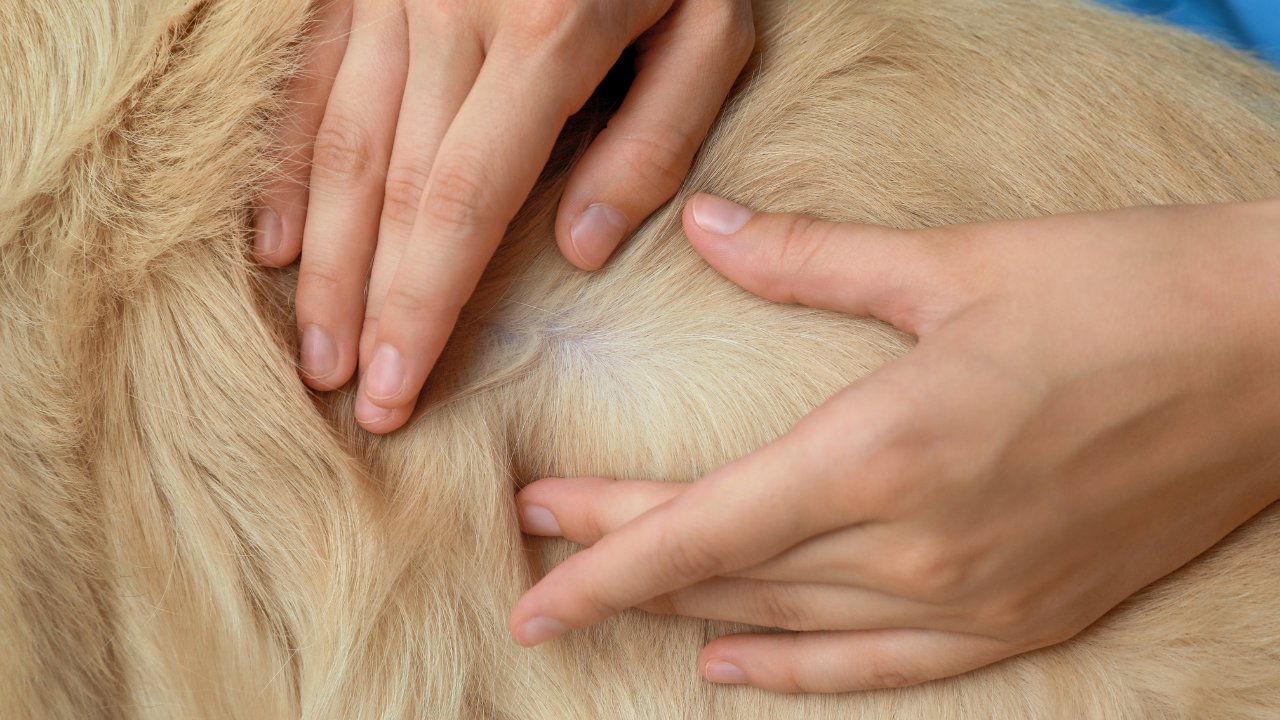
Dandruff doesn’t appear without reason. It’s a visible sign that something deeper is affecting your dog’s skin or overall health. Let’s explore some common dog dandruff causes that you should know.
Dry Skin
The most common cause of dandruff in dogs is dryness. Cold weather, low humidity, or excessive bathing with harsh shampoos can strip natural oils, leaving the skin flaky. If your home environment is particularly dry, a humidifier can help maintain healthy moisture levels in your dog’s skin.
Allergies
Dog Allergies, whether food-related, seasonal, or environmental, often trigger dandruff. Allergic reactions cause inflammation and itchiness, leading your pet to scratch excessively. This constant scratching damages the skin barrier, resulting in flakes and irritation.
Poor Diet
A diet lacking essential fatty acids, particularly Omega-3 and Omega-6, can lead to poor skin health. Without these nutrients, your dog’s skin loses elasticity and hydration, making it prone to flaking.
Parasites
External parasites like mites, fleas, and lice can irritate the skin and cause dandruff-like symptoms. Some parasites, like Cheyletiella (known as “walking dandruff”), cause visible movement of flakes, as the mites crawl along the skin.
Hormonal Imbalances
Certain hormonal disorders, such as hypothyroidism or Cushing’s disease, can cause changes in the skin’s oil production. These imbalances often result in flaky, greasy patches.
Lack of Grooming
Skipping regular grooming doesn’t just affect your dog’s look, but it also impacts skin health. When loose fur and dead skin build up, flakes become more visible. Regular brushing boosts natural oil production, spreads moisture evenly, and keeps the skin clean and healthy, helping to prevent dandruff before it starts.
Infections
Fungal or bacterial infections may also lead to dandruff. If your dog’s skin has a musty smell, visible sores, or redness, consult a vet for proper treatment.
What Are the Signs of Dandruff on Your Dog?
Recognizing dandruff early helps you take timely action. Common signs include:
- Visible white or gray flakes on fur or bedding
- Excessive scratching or licking
- Dry, flaky skin, especially near the back and tail
- Dull or greasy coat
- Red or inflamed patches
- Foul odor from the skin
Some dogs may also develop scabs or hair loss due to persistent itching. If your dog seems uncomfortable or restless, it’s important to approach the dog calmly and examine their coat gently.
Dog Dandruff vs. Walking Dandruff
Not all flakes are the same. Some pet owners confuse ordinary dandruff with walking dandruff. The difference lies in the cause.
Regular dog dandruff is a buildup of dry, dead skin due to environmental or internal factors. It’s harmless in most cases and easy to manage with gentle care.
On the other hand, walking dandruff is caused by mites known as Cheyletiella yasguri. These tiny parasites move around the skin, giving the illusion that the flakes are “walking.” Walking dandruff can spread between pets and sometimes to humans.
If you suspect walking dandruff, don’t try to handle it alone. Veterinary care is necessary for diagnosis and treatment. Your vet may perform a skin scraping test and recommend medicated treatments or specific parasite control products.
How to Get Rid of Dog Dandruff?
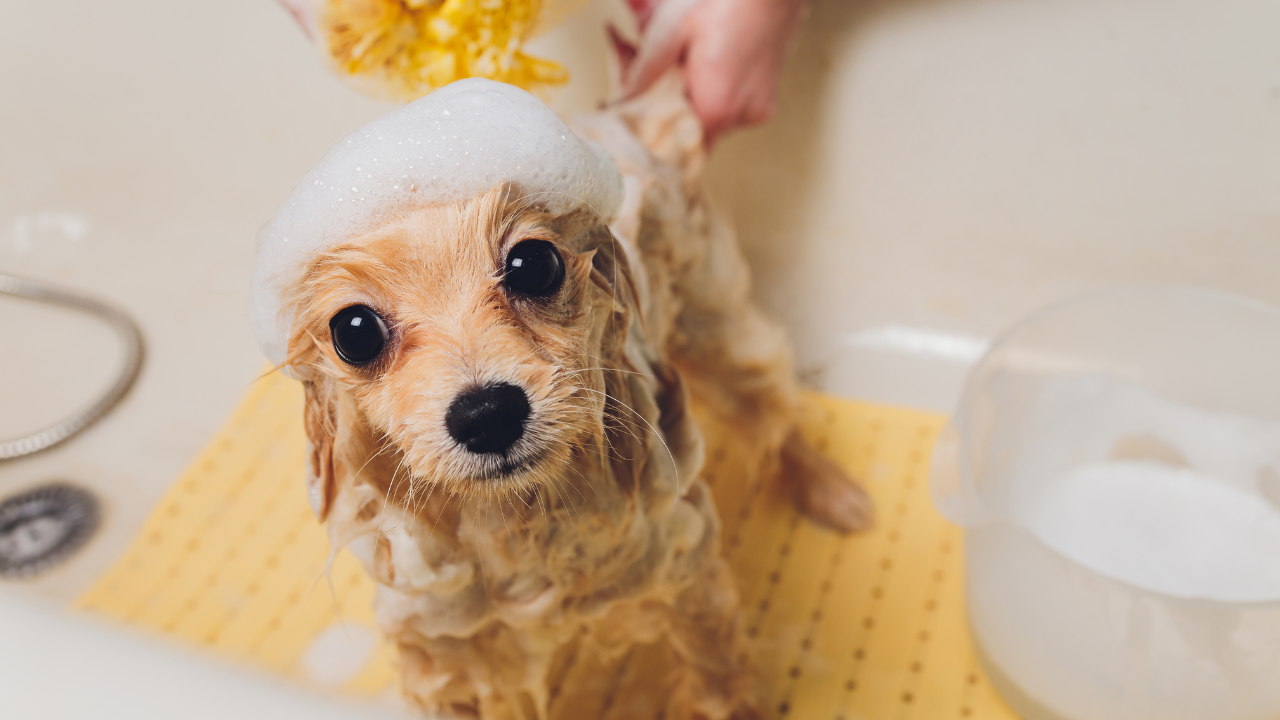
Getting rid of dandruff in dogs requires a mix of good hygiene, balanced nutrition, and targeted skin care. Here’s how to do it effectively.
Bathe with a Dog Dandruff Shampoo
Choose a gentle dandruff shampoo for dogs that contains soothing ingredients like oatmeal, aloe vera, or coconut oil. These help hydrate the skin and remove dead cells without stripping essential oils. Avoid human shampoos; they're too harsh for a dog’s sensitive pH balance.
Wondering what shampoo do dog groomers use? Professional groomers often prefer moisturizing formulas designed to maintain healthy coats. These shampoos cleanse while replenishing natural oils, making them ideal for dandruff-prone dogs.
After shampooing, rinse thoroughly and dry your dog properly, especially in thick-coated breeds.
Brush Regularly
Brushing your dog’s coat removes loose fur and stimulates oil production. Use the right brush type based on coat length. For double coated dogs, use an undercoat rake or slicker brush to reach deep layers.
Regular brushing not only reduces dandruff but also strengthens your bond with your pet. It’s a moment to check for any unusual bumps, flakes, or signs of irritation.
Moisturize the Skin
If your dog has dry skin, add moisture back using pet-safe skin conditioners or natural oils. Coconut oil, for instance, can be lightly massaged into dry areas to soothe irritation. However, always use small amounts as overuse can clog pores.
Adjust Their Diet
Nutrition is the foundation of healthy skin. Add Omega-3 fatty acids through fish oil or vet-approved supplements. High-quality food with balanced proteins and vitamins supports both the coat and skin barrier.
A poor diet can make even the best dog dandruff shampoo less effective, so diet and topical care should go hand in hand.
Increase Humidity
Dry air worsens dandruff, especially in winter. Use a humidifier to keep indoor air moist. This helps your dog’s skin retain hydration naturally.
Avoid Overbathing
Too many baths can strip natural oils. Unless your vet advises otherwise, bathe your dog once every three to four weeks. Overbathing is a common reason for recurring dandruff.
Address Itching and Allergies
If your dog suffers from itching or allergies, it’s crucial to identify triggers. Common culprits include certain foods, pollen, or dust mites. Once identified, limit exposure and use vet-approved anti-itch treatments if needed.
How to Prevent Dog Dandruff
Prevention is always easier than treatment. Here’s how to keep dandruff from returning.
- Follow a Routine: Establish a regular grooming schedule suited to your dog’s coat type.
- Feed a Balanced Diet: Choose nutrient-rich food to support skin health.
- Keep Your Home Comfortable: Maintain moderate humidity to prevent dryness.
- Avoid Harsh Products: Stick to mild, pet-safe shampoos.
- Regular Vet Visits: Regular checkups help detect early skin issues.
- Hydration: Always ensure your dog drinks enough water daily.
A consistent care routine strengthens the skin’s barrier, leaving your dog’s coat glossy and free of flakes.
Want to Eliminate Dog Dandruff the Right Way? Learn from the Experts!
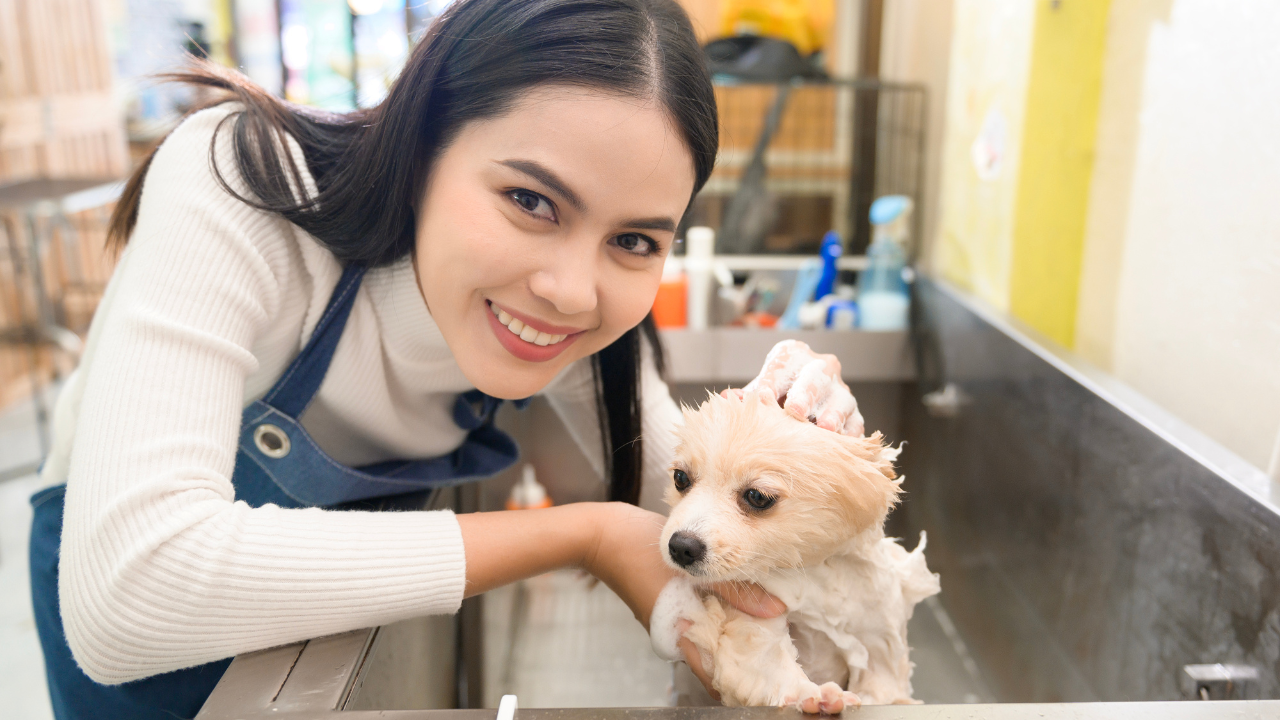
Is your dog constantly scratching or showing signs of dry, flaky skin? You’re not alone and the good news is, there’s a real solution. Getting rid of dog dandruff the right way takes proper technique, product knowledge, and professional grooming skills and that’s exactly what we teach at PDGA (Professional Dog Grooming Academy).
Our dog groomer assistant course and intermediate dog grooming course are expertly designed to help you understand coat and skin care from the inside out. You’ll learn how to recognize dandruff causes, apply safe treatments, and bring out your dog’s healthiest coat.
With PDGA’s expert training, you’ll discover how to:
- Handle different coat types with confidence and care.
- Manage dryness and irritation effectively.
- Select gentle, professional-grade shampoos and grooming products.
- Identify allergy or itching issues early on.
- Build consistent grooming habits that prevent flakes from returning.
Our instructors combine experience, science, and real-world grooming knowledge to help you master every step of dandruff prevention and care. Whether you’re a dog owner wanting to care for your pet or aspiring to become a professional groomer, PDGA gives you the tools to succeed.
Ready to transform your dog’s coat and start your grooming journey? Join PDGA’s professional online dog grooming training courses today and learn how expert grooming can make every dog look great and feel even better.
Final Thoughts
Dandruff in dogs isn’t just a cosmetic issue; it’s a message from your dog’s skin that something needs attention. Whether it’s dry air, allergies, parasites, or nutrition gaps, identifying the root cause is the first step toward healing.
If you’ve been wondering how to get rid of dog dandruff, remember that lasting results come from understanding your pet’s needs and following a complete care routine. A proper dog dandruff treatment involves more than quick fixes; it requires gentle care, balanced nutrition, and preventive grooming habits. If flakes keep returning, professional advice ensures deeper issues don’t go unnoticed.
With love, consistency, and the right approach, you can cure dandruff in dogs and keep your four-legged friend feeling fresh, clean, and confident. At the end of the day, a happy, flake-free dog reflects great care, and that’s the best reward any pet parent can hope for.