Is Shaving a German Shepherd Safe? Grooming Lessons and Better Alternatives
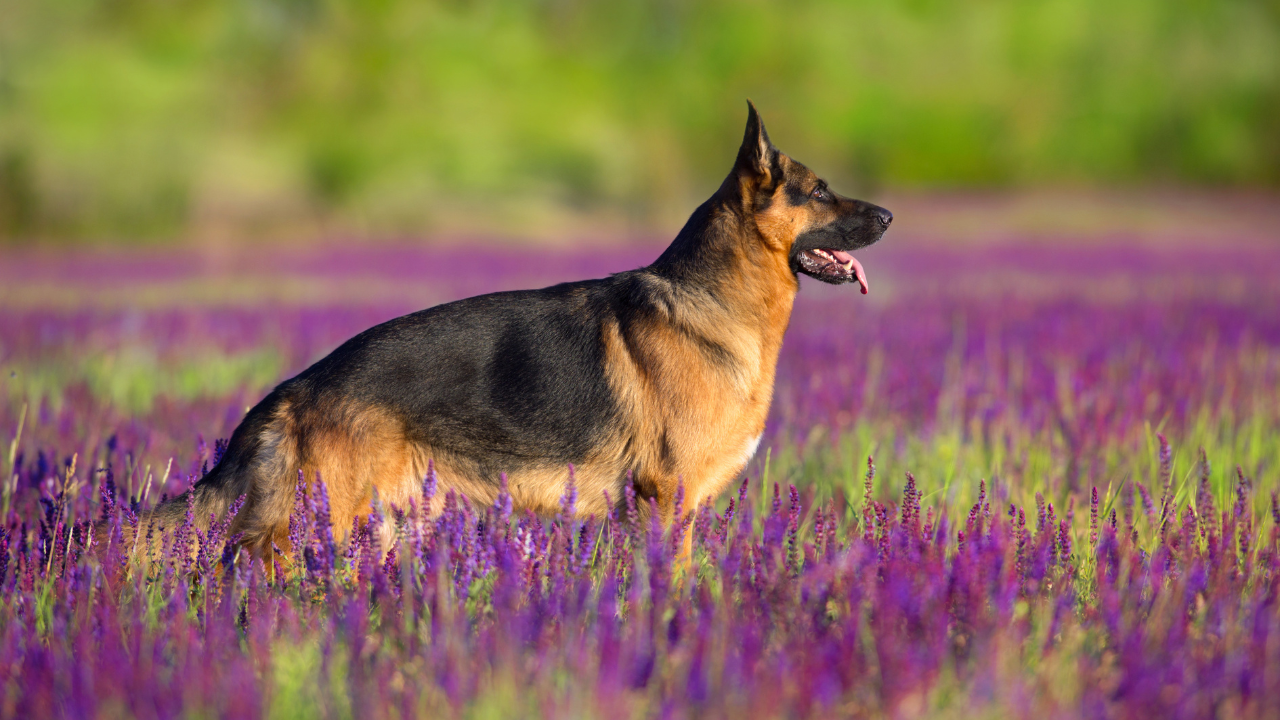
Many owners consider shaving a German Shepherd when shedding gets out of hand or summer temperatures start climbing. It seems like a quick fix for loose fur, overheating, and general coat frustration. But is it actually safe?
German Shepherds have a double coat built to protect them in both warm and cold weather. Removing that coat can create more problems than it solves. Before reaching for the clippers, it helps to understand how their coat works, when shaving may be appropriate, and what grooming options give better results.
This guide covers the risks, seasonal concerns, and smarter alternatives so you can make the right call for your dog.
Understanding the German Shepherd Double Coat
German Shepherds carry two layers of fur that serve very different purposes. The outer coat consists of longer guard hairs that repel dirt, moisture, and UV rays. Underneath sits a dense, soft undercoat that provides insulation and helps regulate body temperature.
This system keeps them warm in winter and cooler in summer by trapping air close to the skin. It also acts as a barrier against sunburn, insect bites, and minor skin irritation. If you are unfamiliar with how double coats function, learning how to groom a double-coated dog can help you avoid common mistakes before they happen.
Is Shaving a German Shepherd Safe?
You should never shave a German Shepherd, unless a veterinarian advises it for medical reasons.
Their coat is more than just fur. It is part of their body's protection system. Shaving can interfere with natural temperature regulation. Instead of keeping the dog cooler, it may expose the skin to direct heat and sunlight.
For many dogs, shaving can also lead to uneven coat regrowth, patchy or damaged fur texture, increased sunburn risk, dry skin irritation, and reduced natural insulation.
Can You Shave a German Shepherd in the Summer?
This is one of the most common seasonal questions. Owners naturally assume that less fur means a cooler dog. However, the double coat actually works like insulation. It allows airflow through the coat while protecting the skin from direct sun exposure.
Shaving a German Shepherd in summer can cause faster overheating from direct sunlight, sunburn on exposed skin, irritation from grass and insects, and coat damage that lasts for months.
Better Summer Solutions Instead of Shaving
Try these safer warm-weather options:
- Brush out the loose undercoat regularly using a slicker brush
- Keep fresh water available at all times
- Walk during early morning or evening hours
- Use shaded rest areas during outdoor time
- Schedule a professional de-shedding groom
Many owners are surprised that consistent brushing does more for summer comfort than shaving ever could.
Should You Shave a German Shepherd in Winter?
Shaving in winter is even less ideal. The undercoat retains warmth and shields the dog from wind and moisture during colder months. Removing it leaves your German Shepherd uncomfortable outdoors and far more sensitive to temperature drops.
A shaved German Shepherd in winter may need dog jackets for outdoor walks, limited time outside in freezing weather, and extra bedding indoors. Unless medically necessary, winter shaving should be avoided entirely.
What Happens After Shaving a German Shepherd?
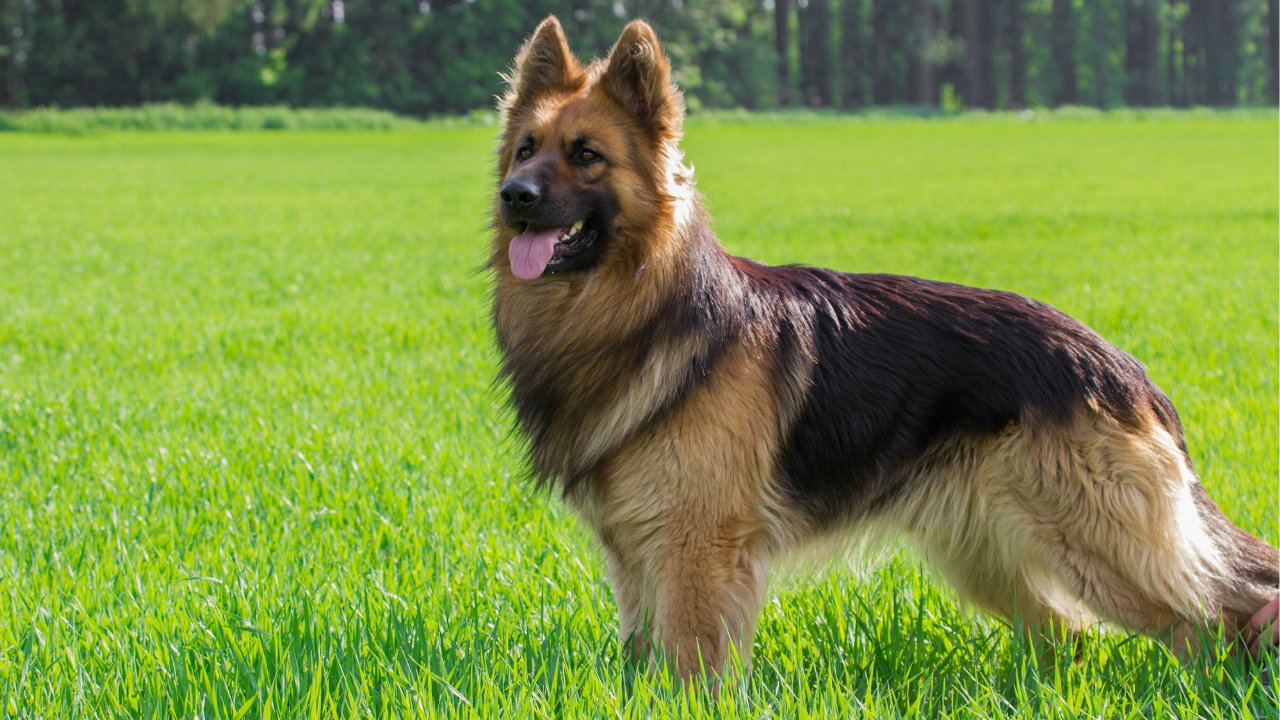
Some owners search for terms like shaved GSD or shaved German Shepherds because they want to know what happens to the coat afterward. The results vary, but the most common issues include:
1. Clipper alopecia (also called post-clipping alopecia):
This is a condition where a dog’s coat fails to properly regrow after being clipped or shaved, leading to patchy hair loss or permanently altered coat density in the clipped areas. What actually happens?
When the coat is clipped very short—especially the guard hairs—it can disrupt the hair growth cycle. In some dogs, the follicles essentially “pause” or shift into a prolonged resting phase, so regrowth is slow, uneven, or sometimes doesn’t fully return to normal.
2. Slow or Uneven Regrowth:
The undercoat often grows back faster than the top coat, leaving a fluffy, patchy appearance that can take months to correct.
3. Texture changes:
The coat may come back rougher, duller, or harder to manage than before.
4. Increased Shedding:
Ironically, many shaved dogs still shed heavily as the coat works to regrow itself.
5. Skin Problems:
Without the coat's natural protection, the skin may become dry, irritated, or sunburned.
Full regrowth can take several months. In some dogs, the coat may never return to its original texture.
Why Shaving a German Shepherd Is Usually Not the Answer
Professional groomers and breed experts typically advise against shaving because it solves very few problems long-term.
Shaving does not stop shedding. German Shepherds shed because of their natural coat cycle. Shaving shortens visible hair but does not reduce hair loss. If your dog is shedding more than usual, understanding why your dog is losing hair can help separate normal shedding from a health concern.
Shaving does not replace grooming either. Regular brushing, bathing, and undercoat maintenance are still necessary whether or not the coat has been clipped. And what starts as a convenience choice can turn into months of coat recovery.
When It May Be Okay to Shave a German Shepherd
There are limited situations where shaving is appropriate, but these usually require veterinary or professional guidance:
- Surgery preparation
- Severe matting too close to the skin to brush out safely
- Medical skin treatment or wound care
- Heavy contamination that cannot be cleaned through bathing
In these cases, targeted clipping of specific areas is almost always better than a full-body shave.
Better Alternatives to Shaving a German Shepherd
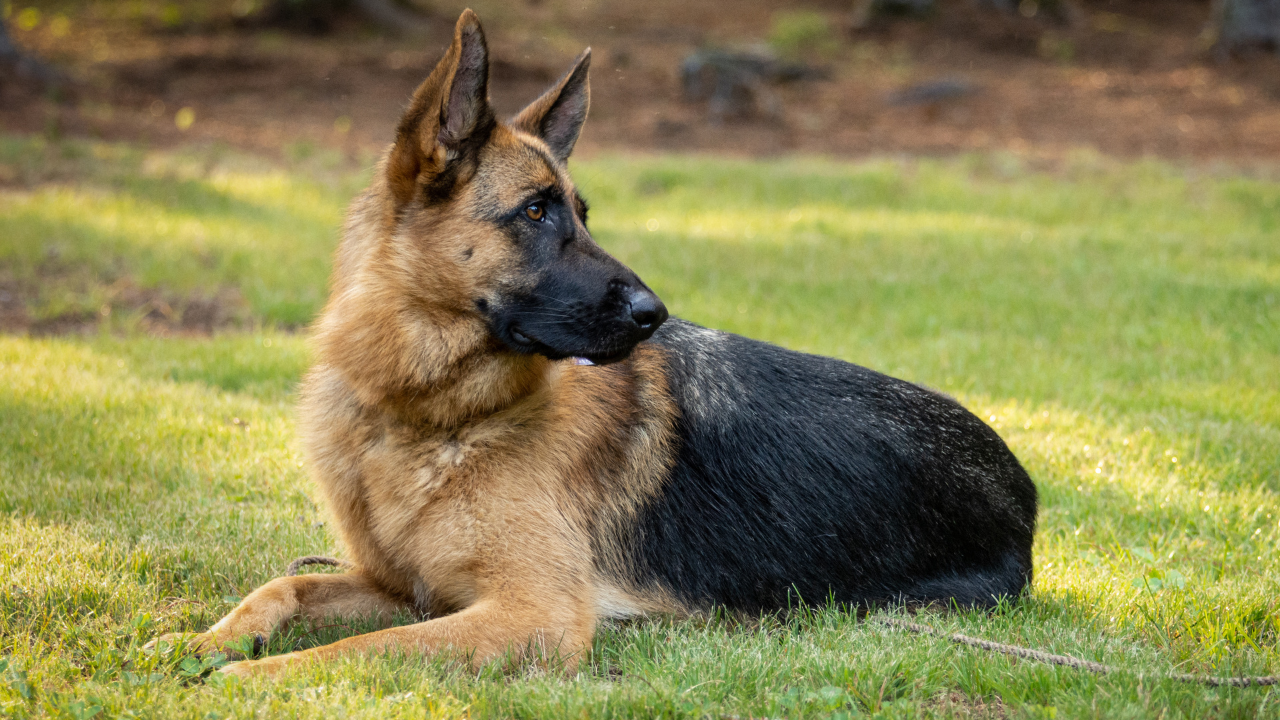
If the goal is less shedding, easier maintenance, or summer comfort, these options are safer and more effective.
Regular brushing: Brush three to five times per week during shedding season. This removes the dead undercoat before it ends up on your furniture and clothes.
Professional de-shedding treatment: A trained groomer can strip out loose coats without damaging healthy fur.
Proper bathing routine: Use dog-safe products that support coat health. Choosing the right shampoo matters, especially for thick-coated breeds like German Shepherds.
Thorough drying: Moisture trapped in the undercoat can cause odor and skin irritation. Using proper drying methods after baths keeps the coat clean and healthy.
Early mat removal: Knots and packed undercoat are easier to manage before they become severe. Knowing how to get mats out of dog hair safely can save both time and stress for you and your dog.
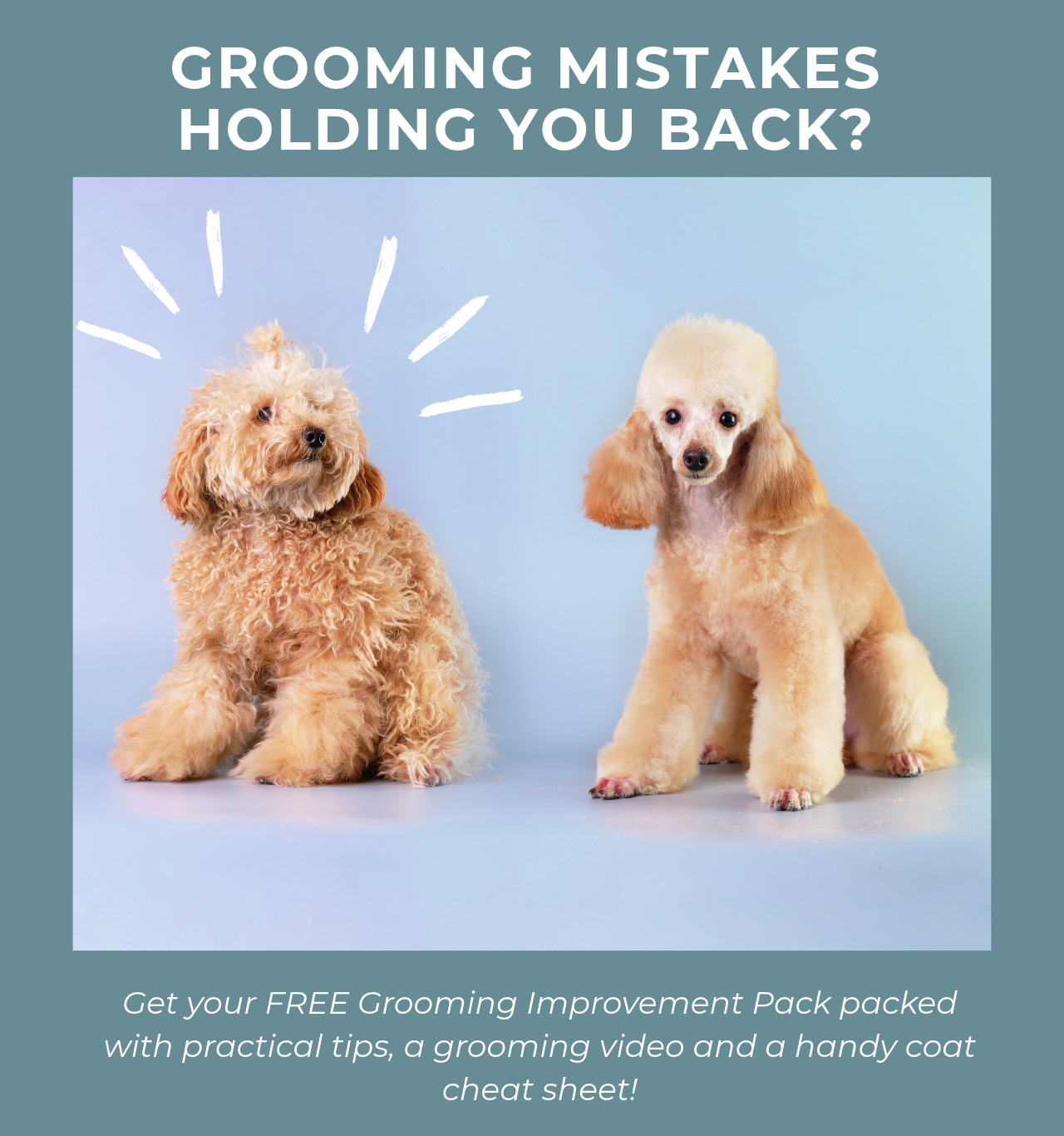
Common Grooming Mistakes German Shepherd Owners Make
A few routine errors can make coat problems worse and push owners toward shaving when it is not necessary:
- Shaving because of normal seasonal shedding
- Using human shampoo instead of dog-specific products
- Skipping the drying step after baths
- Brushing only the top coat and ignoring the undercoat
- Letting mats build up behind the ears and legs
- Waiting too long between grooming sessions
Small improvements to your regular grooming habits often eliminate the need for drastic measures like shaving.
Mastering Dog Grooming: Why Online Pet Grooming Schools Matter
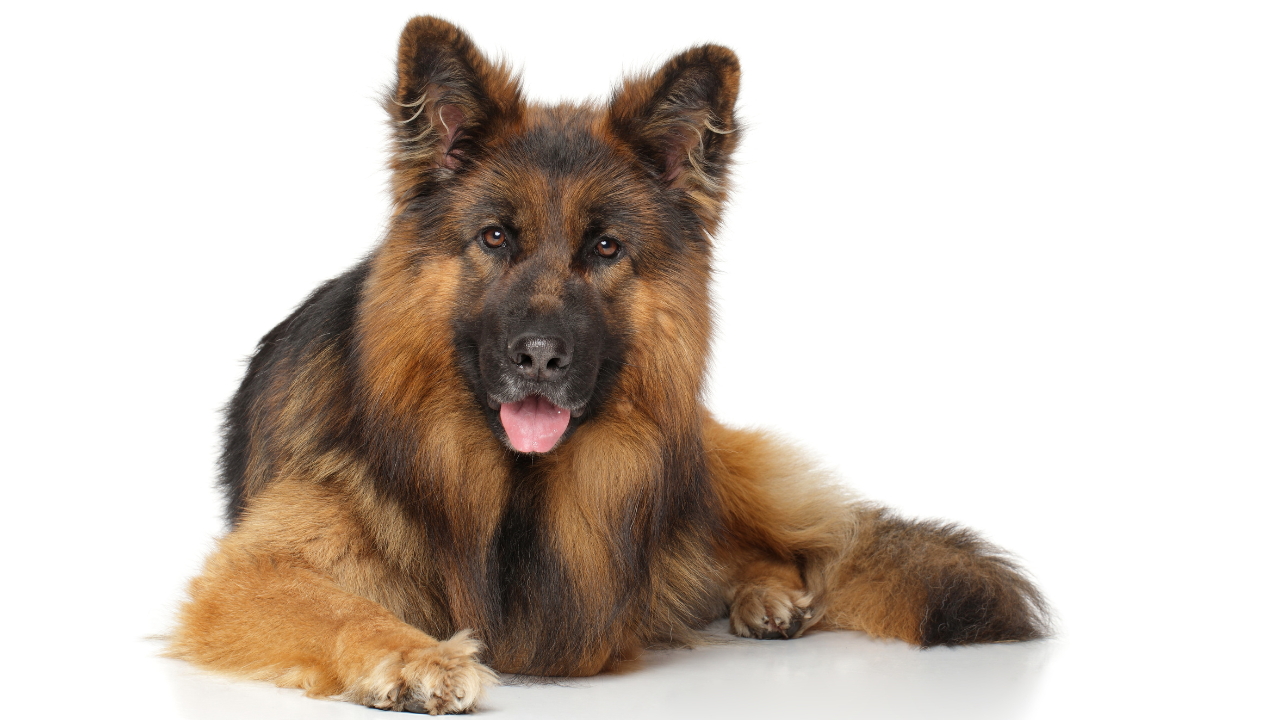
If you want to confidently groom heavy-coated breeds like German Shepherds at home or as a career, formal training makes a real difference. Getting education from trusted professionals can be valuable. PDGA's online grooming courses cover:
- Coat type identification
- Safe brushing and de-shedding methods
- Skin and coat health basics
- Breed-specific grooming techniques
- Proper tools and handling skills
Whether you are a pet owner looking to build better skills or someone exploring an online dog grooming apprenticeship, structured education helps you work with your dog's coat instead of against it.
Final Thoughts
So, is shaving a German Shepherd safe? In most cases, no. It is usually unnecessary and can lead to coat damage, skin problems, and months of slow recovery.
German Shepherds are built with a protective double coat that works year-round. Instead of shaving, focus on regular brushing, professional de-shedding, proper bathing, and consistent coat maintenance. The best grooming results come from working with your dog's natural coat, not removing it. With the right routine, your German Shepherd can stay cleaner, cooler, and far more comfortable in every season.