At What Age Can Dogs Get Groomed? Everything Owners Need to Know
Bringing a new puppy home comes with a long list of firsts: first vet visit, first walk, first bath. One question that comes up quickly for most new dog owners is when to book that first grooming appointment. Get the timing right and you set your dog up for a lifetime of calm, cooperative grooming sessions. Get it wrong and you risk creating anxiety that is difficult to undo.
This guide covers everything you need to know about dog grooming age, from the earliest safe window for a puppy's first appointment to how coat type affects timing and what signs tell you your dog is genuinely ready.
What Is the Right Dog Grooming Age?
The general guideline recommended by most professional groomers and veterinarians is that puppies can attend their first grooming appointment from around 8 to 12 weeks of age, provided their core vaccinations are up to date or at least underway.
Most vets advise waiting until a puppy has received its initial round of vaccinations before entering environments where other dogs have been present, including grooming salons. This typically means the first professional groom happens somewhere between 12 and 16 weeks, once the puppy has had at least its first set of shots and has been cleared by a vet for socialization outings.
That said, dog grooming age requirements are not one-size-fits-all. Every dog is different, and factors like breed, coat type, personality, and vaccine progress all shape the right timing. What remains consistent across all breeds is this: earlier is better, as long as the environment is safe and the experience is kept short and positive.
Why the First Grooming Experience Sets the Tone
A puppy's first grooming appointment is less about the actual groom and more about the introduction. The sights, sounds, smells, and sensations of a professional salon are entirely new. How a puppy experiences all of that for the first time shapes its emotional response to grooming for years to come.
Puppies introduced to grooming early, during the critical socialisation window between 13 and 16 weeks, tend to accept handling, equipment, and unfamiliar environments far more readily than dogs groomed for the first time as adults. This window is when new experiences are most easily processed as normal rather than threatening.
A first appointment that is calm, brief, and positive builds a dog that walks into a salon with confidence. A first appointment that overwhelms or frightens a puppy can create lasting resistance that even skilled dog groomers for anxious dogs struggle to work around over time.
Schedule an Introduction Session First
Trained and PDGA-qualified groomers recommend starting with an introduction session. This is where the puppy visits the salon—ideally early in the morning or after the grooming day—to meet the groomer and become familiar with the grooming environment.
During this visit, the puppy is gently introduced to the grooming area, including the different smells, sights, and sounds. This allows the puppy to familiarise themselves at their own pace with both the environment and the groomer who will be handling them.
The groomer will also engage in gentle interaction and play to create a positive association with the space. This session should remain short, typically 5–10 minutes. We recommend scheduling approximately two of these introduction sessions before the actual grooming appointment.
Taking the time to properly introduce a puppy to the grooming environment is an investment. These early steps help build trust, reduce anxiety, and develop confident, cooperative future clients.
What Happens at a Puppy's First Grooming Appointment
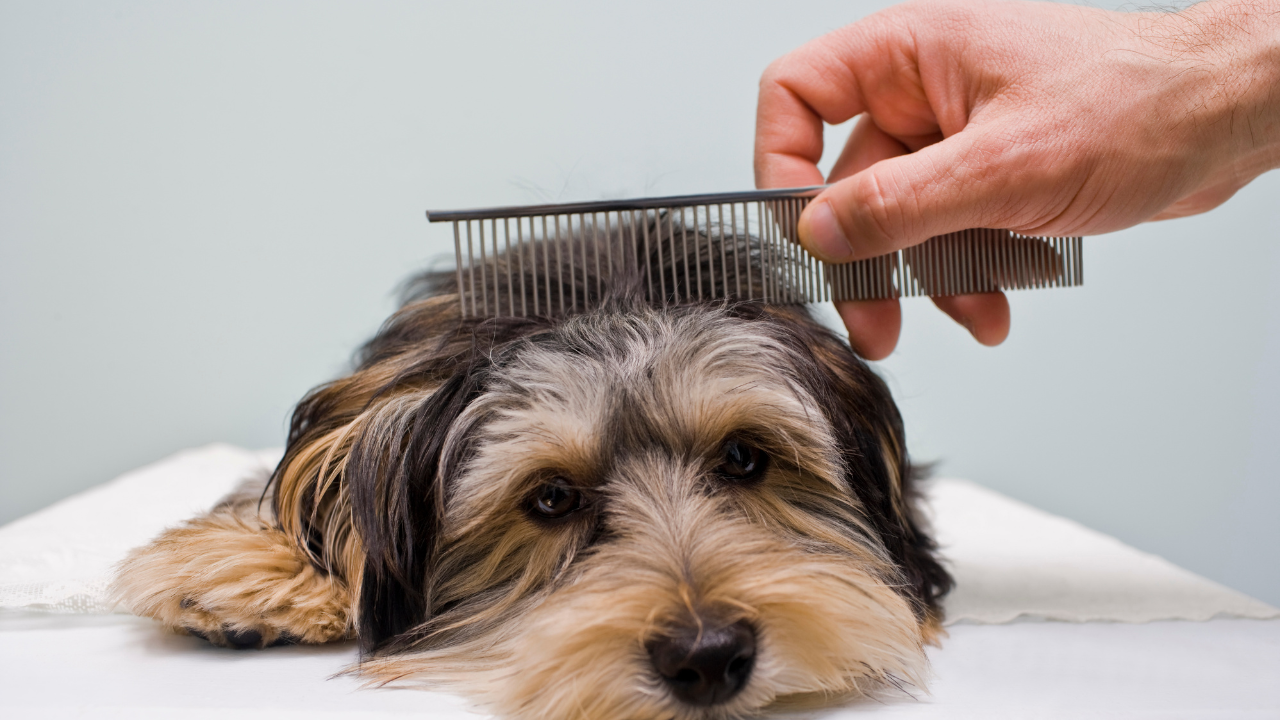
A puppy's first groom is deliberately kept simple. The goal is exposure and comfort, not a full breed trim. Most professional groomers structure an introductory puppy appointment around four core elements.
Bath and Blow Dry
The puppy is bathed with a gentle, puppy-safe shampoo and introduced to the sound and sensation of a low-heat dryer. This is often the most sensory-intense part of the appointment and is handled slowly to avoid overwhelm.
Nail Trim
Paw handling and nail trimming are introduced early because they are among the most common grooming pain points for dogs who were not desensitised as puppies. Keeping this positive from the first appointment prevents a lifetime of nail-trim struggles.
Ear Cleaning
A gentle ear check and clean helps the puppy become comfortable with ear handling, an area many dogs find sensitive. Regular early exposure makes this a non-event rather than a source of stress.
Light Trimming Around the Face and Paws
Introductory scissor and clipper work is typically limited to the face, paws, and sanitary areas. This introduces the puppy to the sound and feel of tools without the full demands of a complete breed groom.
Dog Grooming Age Requirements by Coat Type
While the general timing guideline applies broadly, coat type plays a significant role in how urgently early grooming is needed and what the first appointment involves.
Short-Coated Breeds
Dogs like Beagles, Boxers, and Dalmatians have low-maintenance coats that do not require professional trimming in the traditional sense. For these breeds, early grooming appointments are still valuable for nail trims, ear cleaning, and getting the dog comfortable with the salon environment, but the urgency is lower from a coat management standpoint.
Long-Coated and Double-Coated Breeds
Breeds like Golden Retrievers, Border Collies, and Shih Tzus develop coats that require regular brushing, de-shedding, and trimming as they mature. Starting grooming appointments early, ideally by 12 to 14 weeks, establishes handling tolerance before the coat becomes long enough to mat or tangle. A dog that has never accepted brushing and suddenly needs it as an adult is a significant challenge for any groomer. Grooming a long-haired Dachshund, for instance, becomes considerably harder when a dog reaches adulthood without ever learning to tolerate handling on its coat.
Curly and Wool-Coated Breeds
Poodles, Bichon Frises, Doodle crosses, and similar breeds have the most pressing need for early grooming introduction. Their coats grow continuously without shedding, meaning they will require professional grooming every four to six weeks for their entire lives. Beginning this routine as early as safely possible, typically around 12 weeks after vet clearance, is strongly recommended for these breeds. Without regular appointments, their coats develop tight, uncomfortable mats that are genuinely painful to remove — getting mats out of dog hair becomes a stressful ordeal for both the dog and the groomer when coat care has been delayed too long.
Why Pet Age Calculation Matters
Knowing your dog's exact age in weeks and months is more useful than it might initially seem, particularly when it comes to grooming readiness, vaccination scheduling, and developmental milestones.
Puppies go through distinct developmental stages, and the difference between a 10-week-old and a 14-week-old dog is meaningful in terms of immune system maturity, socialisation capacity, and stress tolerance. A pet age calculator helps owners track exactly where their puppy sits developmentally, making it easier to time that first grooming appointment correctly in relation to vaccination dates and growth stages.
This is particularly useful for owners of mixed breeds or rescue dogs where the exact birth date may be approximate. Having a reliable age estimate helps groomers and vets make better recommendations about timing, handling approach, and what to expect behaviourally at each stage.
How to Prepare Your Puppy Before the First Grooming Visit
The work that happens at home before a grooming appointment is just as important as the appointment itself. Owners who spend a few minutes each day on handling preparation make a significant difference to how their puppy copes in the salon.
Practical preparation steps include:
- Running fingers between toes and gently holding each paw for a few seconds at a time
- Touching and gently folding the ears while offering praise or a treat
- Introducing a soft brush along the back, sides, and legs in short, calm sessions
- Running a switched-off hairdryer or electric toothbrush near the puppy to familiarise it with the sound before a groomer uses one
- Practicing short "stay" moments on a raised surface like a low table or grooming mat
None of this requires formal training expertise. Consistent, gentle repetition over two to three weeks before the first appointment is enough to meaningfully reduce stress on the day. The earlier you start, the better. Your dog and groomer will thank you.
Signs Your Puppy Is Ready for a Full Grooming Session
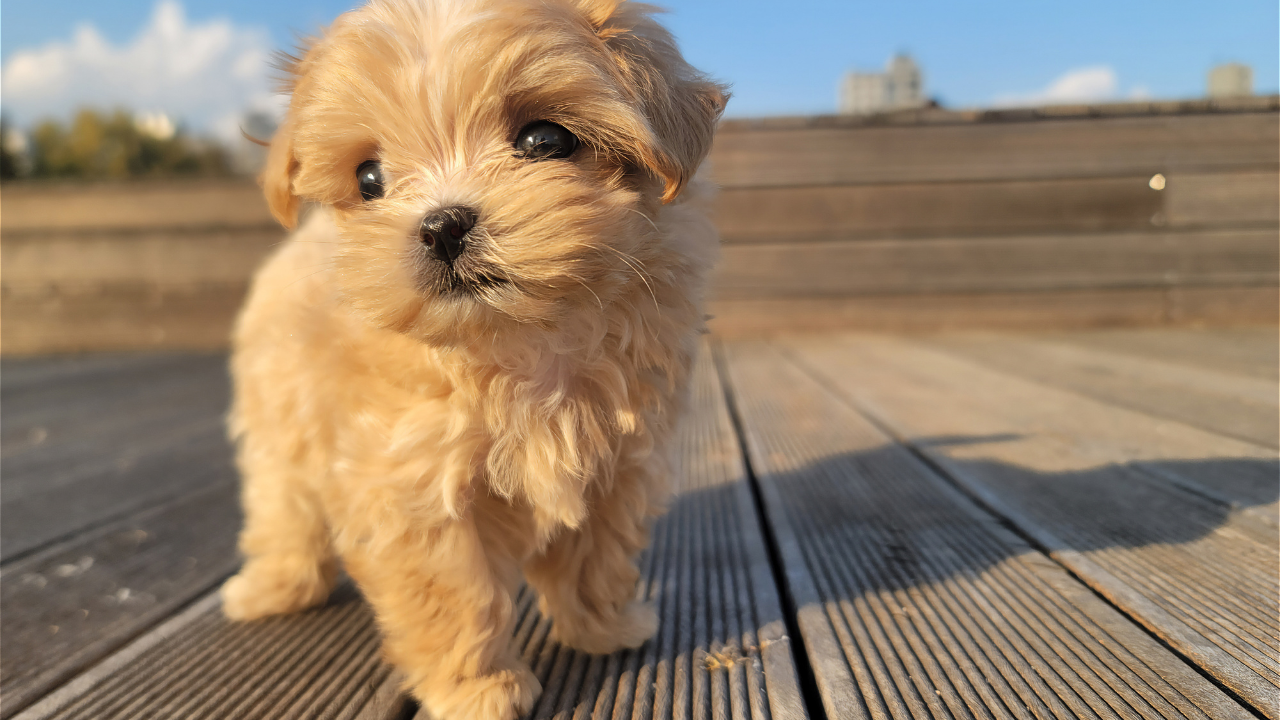
Not every puppy at 12 weeks is equally prepared, and age alone is not always the deciding factor. Behavioural readiness matters too. Signs that a puppy is ready for a professional grooming appointment include:
- Accepts being touched on paws, ears, and muzzle without pulling away or vocalising
- Settles after initial excitement in new environments rather than remaining persistently anxious
- Has received vet clearance following initial vaccinations
- Can remain still for short periods without constant redirection
- Shows curiosity about new objects and sounds rather than fearful avoidance
If a puppy is showing significant anxiety in new environments or around new people, it may benefit from a few more weeks of socialisation before the first salon visit. Understanding what age can a dog get groomed is partly about the calendar and partly about reading the individual dog in front of you.
How Regular Grooming from an Early Age Benefits Dogs Long-term
Starting grooming early is not just about the first appointment. It is an investment in every appointment that follows. Dogs groomed regularly from puppyhood develop a genuine familiarity with the process that makes each visit easier, faster, and more comfortable as they grow.
Early and consistent grooming also supports coat and skin health. Regular brushing prevents matting, distributes natural oils, and allows owners and groomers to spot skin conditions, lumps, or parasites early. These health benefits are part of why professional groomers recommend building grooming into a dog's routine from the earliest safe opportunity. Learning how to groom a dog at home between professional appointments extends these benefits across the full grooming schedule.
At PDGA, we offer courses for pet parents who want to learn how to properly care for their pup between grooming sessions.
These mini-courses cover not only grooming, but also health, nutrition, and basic obedience training. They are perfect for new pet parents looking to build confidence and provide the best care for their dogs.

What Professional Groomers Say About Early Grooming
Ask any experienced professional groomer and they will tell you the same thing: the easiest dogs to groom are the ones that started early. Not because those dogs never feel nervous, but because they have built up enough positive grooming history to trust the process.
Professional grooming education reinforces this perspective consistently. Our online dog grooming courses train pet parents and groomers to understand developmental stages, handle puppies with appropriate care, and advise owners on optimal grooming timing from the very first consultation. Courses like the Grooming Assistance Course and the Combo Grooming Course cover puppy handling as a core component of grooming education, because at what age can a dog be groomed is a question every professional groomer needs to answer confidently for their clients.
The consensus is clear: early, positive, consistent grooming is one of the best things an owner can do for their dog's long-term well-being. The first appointment sets the tone. Everything after that builds on it.
Final Thoughts
The right dog grooming age sits between 12 and 16 weeks for most breeds, with vet clearance following initial vaccinations being the primary practical threshold. Earlier exposure, handled gently and positively, produces dogs that are easier to groom, calmer in the salon, and more comfortable being handled throughout their lives.
Whether you are a new puppy owner planning that first appointment or a grooming professional advising clients on timing, the answer to what age for first dog grooming is almost always: as soon as it is safely possible.