Why Basic Dog Training Matters Before Professional Grooming
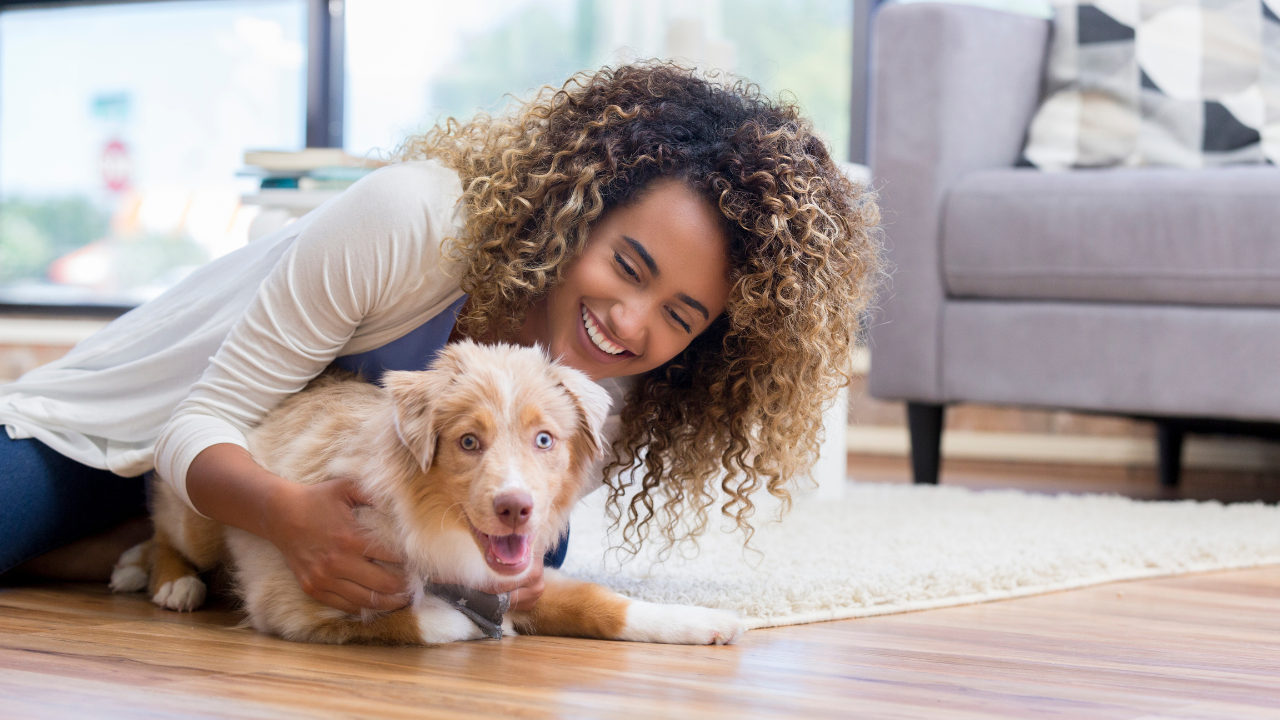
Most dog owners put a lot of thought into grooming preparation for finding the right salon, choosing the correct shampoo, and booking appointments on a regular schedule. What rarely makes that list is training. Yet the single biggest factor that determines whether a grooming session goes smoothly often has nothing to do with the groomer's tools or technique. It comes down to how the dog behaves on the table.
Training for dog grooming is not about teaching a dog to perform tricks. It is about building the handling tolerance, calm responsiveness, and trust that make every grooming appointment safer and less stressful for the dog, the groomer, and the owner. Whether you are a pet owner preparing your dog for their next salon visit or someone who wants to train to be a dog groomer professionally, understanding this connection changes how you approach both subjects entirely.
The Link Between Obedience and the Grooming Table
A dog that has never been taught basic handling skills does not misbehave at the grooming salon out of stubbornness. It reacts out of uncertainty. The elevated table, the sound of clippers, the sensation of being touched in unfamiliar places. None of it makes sense to a dog that has had no preparation for it.
Basic obedience creates a communication framework between dog and handler. When a dog understands what "stay" means, what it feels like to have its paws held without pulling away, and that remaining still is something that gets rewarded, grooming becomes a familiar experience rather than a threatening one. That foundation of understanding is exactly what training for dog grooming builds, and it pays off every single appointment for the life of the dog.
Key Training Skills That Directly Support Grooming
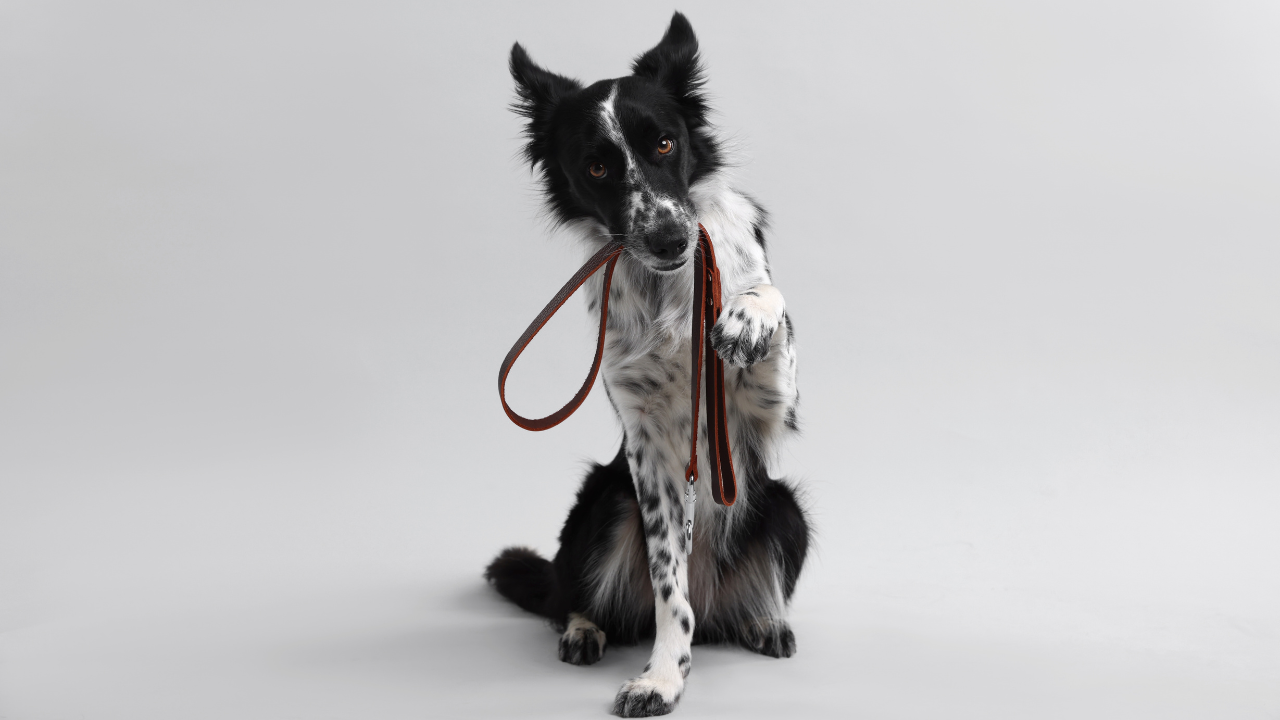
Not every obedience exercise translates equally to the grooming environment. Some skills, however, have a direct and immediate impact on how cooperative a dog is during appointments.
Handling and Touch Desensitization
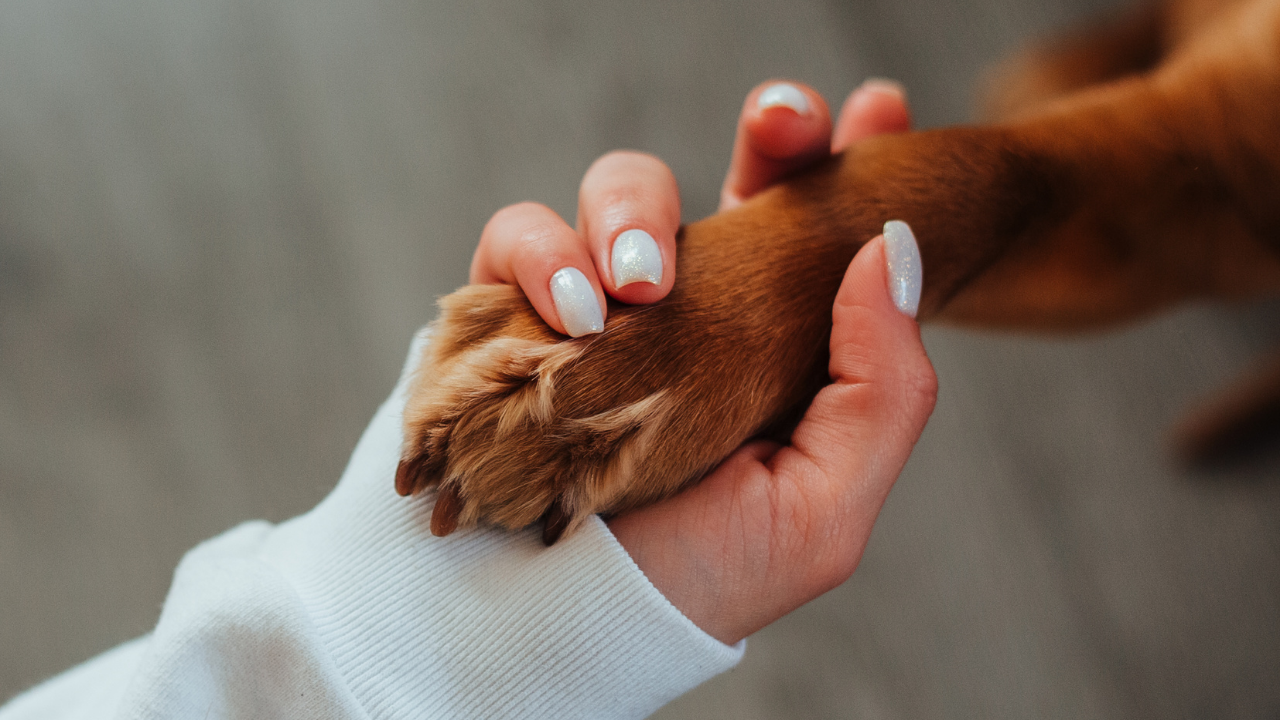
This is the most important grooming-specific skill an owner can work on at home. Many dogs tolerate being petted along the back but become anxious or reactive when touched around the ears, paws, muzzle, or tail. These are precisely the areas that get the most attention during a groom.
Gradual desensitization introduces touch to sensitive areas slowly, pairing it with praise or treats, and building duration over time teaches the dog that being handled feels safe. Owners who spend even five minutes a day on this before their dog's first grooming appointment make the groomer's job significantly easier and the dog's experience significantly calmer.
Stay and Position Commands
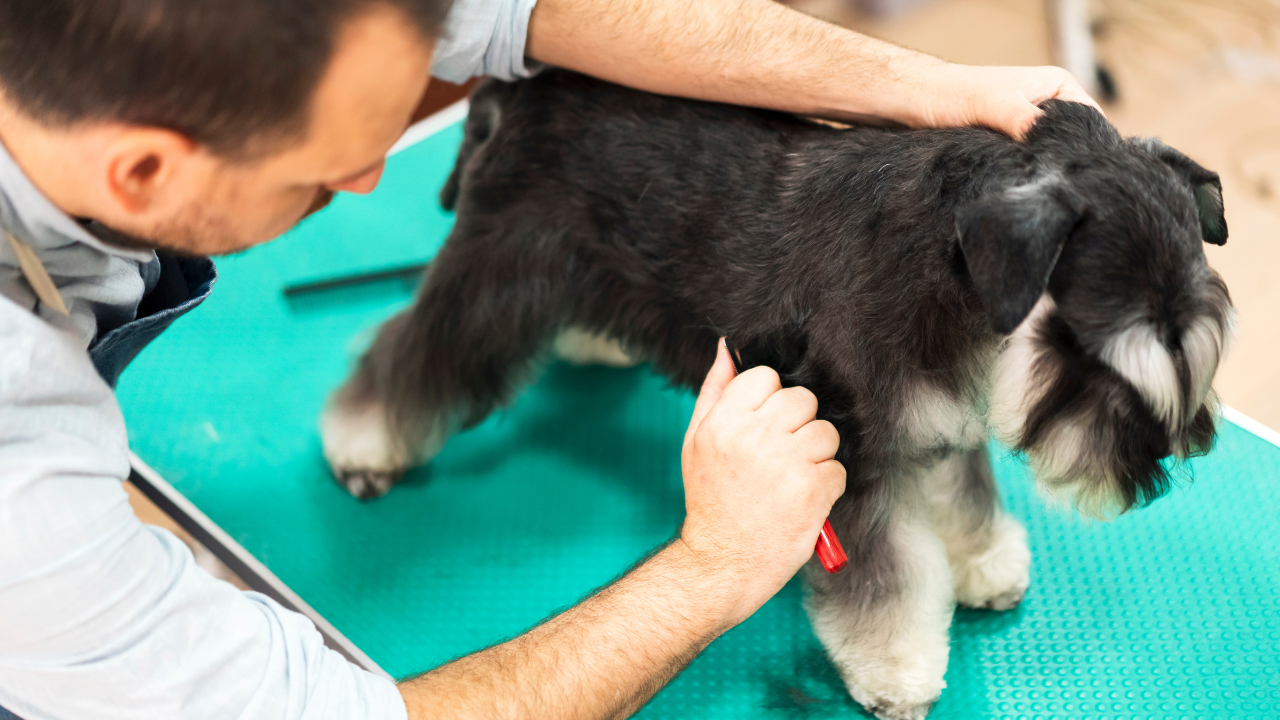
A dog that understands a stay command and can hold it for thirty to sixty seconds has a meaningful advantage in the grooming salon. Groomers work around a dog's body, constantly repositioning legs, lifting the head, adjusting posture. A dog that responds to position cues rather than constantly shifting reduces both grooming time and the risk of accidental nicks from scissors or clippers.
Focus and Engagement
Teaching a dog to check in with its handler, to maintain eye contact on cue, and to redirect attention away from distractions builds the kind of engagement that carries into unfamiliar environments. A dog with strong focus habits is easier to manage in a busy salon because it has already learned that paying attention to a person rather than reacting to everything in the room is the default response to a new situation.
Leash Manners and Calmness on the Move
Dogs that walk calmly on a leash are generally more accustomed to following human guidance. That receptiveness transfers to the grooming environment. A dog that leans, pulls, or lunges on the lead tends to bring that same reactive energy into the salon, making handling considerably more difficult from the moment it walks through the door.
Why Untrained Dogs Are Harder and Riskier to Groom
An untrained dog is not a bad dog. It is simply a dog that has not yet been taught what grooming requires of it. The problem is that this gap in preparation creates real safety concerns.
When a dog does not understand how to stay still, flinches at every touch, or panics on an elevated table, the groomer must divide attention between managing the dog's behaviour and completing the groom itself. That split focus increases the risk of injury — to the dog from sharp tools, and to the groomer from sudden movements.
Professional groomers develop strategies to keep dogs still while grooming and are trained to work with anxious or reactive animals. But even the most experienced groomer finds the process smoother, faster, and safer when a dog arrives with some level of handling preparation behind it. Training does not eliminate all grooming challenges — it simply removes the most preventable ones.
How Training Improves the Grooming Experience Long Term
The benefits of training for dog grooming are not limited to a single appointment. They compound over time.
A dog that has a calm, uneventful first grooming experience is far more likely to be relaxed at the second appointment. That relaxed second visit leads to a more comfortable third. Over months and years, a trained dog builds a grooming history that is almost entirely positive, which means the groomer can focus entirely on the quality of the cut rather than managing anxiety.
The reverse is also true. A dog that has a difficult, stressful first grooming session often becomes more resistant over time, not less. Early training investment prevents that cycle before it starts and does more to improve dog grooming effectiveness than almost any product or technique.
Training Safety During Outdoor Preparation
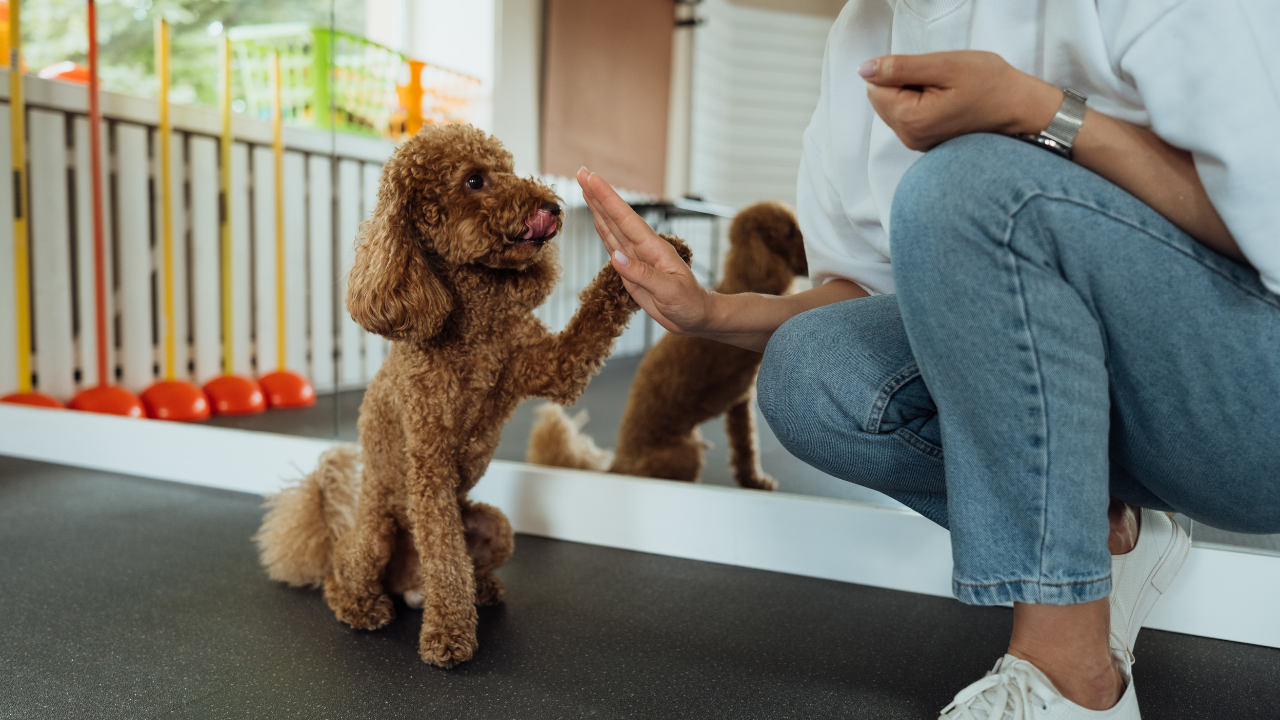
Much of the groundwork for grooming tolerance happens during everyday life on walks, at the park, and during playtime at home. Owners who use outdoor givesronments to practice recall, focus, and loose-lead walking give their dogs a broader foundation for responding calmly in new situations.
For owners working on recall training in open spaces, some choose to use a GPS dog collar as an added precaution while their dog is still developing reliable off-lead responsiveness. These devices can offer peace of mind in the early stages of training, though they work best as a safety backup rather than a replacement for consistent recall practice.
What Groomers Should Know About Canine Behaviour
Training knowledge is not only valuable for dog owners. For anyone who wants to train to be a dog groomer professionally, understanding canine behaviour is just as important as mastering scissor technique or knowing breed coat standards.
Groomers encounter anxious, reactive, overstimulated, and inexperienced dogs every single day. The ability to read a dog's stress signals, such as a tucked tail, whale eye, yawning, or sudden stiffness, and adjust handling accordingly is a skill that prevents incidents and builds client trust. Understanding the effective types of dog training also helps groomers advise owners on what preparation their specific dog may benefit from before future appointments.
Professional grooming programs that incorporate behaviour and handling education produce groomers who are not just technically skilled but genuinely equipped to manage the full range of dogs that walk through the salon door.
Safety Habits Every Groomer Needs to Build
Alongside behaviour knowledge, groomers must also develop strong safety habits from the beginning of their career. Working with sharp tools, electrical equipment, and dogs that can move unexpectedly creates a working environment where small errors can have real consequences.
Being aware of the common safety hazards in dog training and grooming, you should avoid improper restraint techniques and tool mishandling, which are fundamental to building a long, successful grooming career. Safety awareness is not a separate topic from grooming quality. It is part of it.
Equipment choices matter too. Knowing that every groomer needs a dog harness for effective grooming, particularly when managing dogs before and after appointments or supporting anxious dogs during transitions, reflects the kind of practical, whole-picture thinking that separates well-trained professionals from those who are simply winging it.
Building a Career That Covers Both Skills
The strongest professional groomers are not just technically brilliant. They are also confident, informed dog handlers who understand why animals behave the way they do in grooming environments and how to respond constructively when challenges arise.
The ICOES Accredited Dog Grooming Online Academy offers training pathways that cover both grooming technique and canine behaviour fundamentals, giving students the rounded education that the industry genuinely requires. From the dog groomer beginner course for those just starting out to the professional dog grooming course for advanced learners, the curriculum is built to reflect what real salon work demands, which includes handling dogs safely, not just grooming them.
Final Thoughts
Training and grooming are more connected than most people realize. A dog that has been taught to accept handling is easier to groom, safer to work with, and more likely to enjoy the process over a lifetime. A groomer who understands canine behaviour is better equipped to manage every dog that comes through the door and to advise owners on how to help their pets arrive better prepared.
Whether the goal is preparing a pet for their next appointment or building a professional grooming career, investing in training knowledge is one of the highest-return decisions either an owner or a groomer can make. The table is just the last step. Everything before it matters just as much.