Hand Stripping Dogs: What It Is, Which Breeds Need It and How to Do It Right
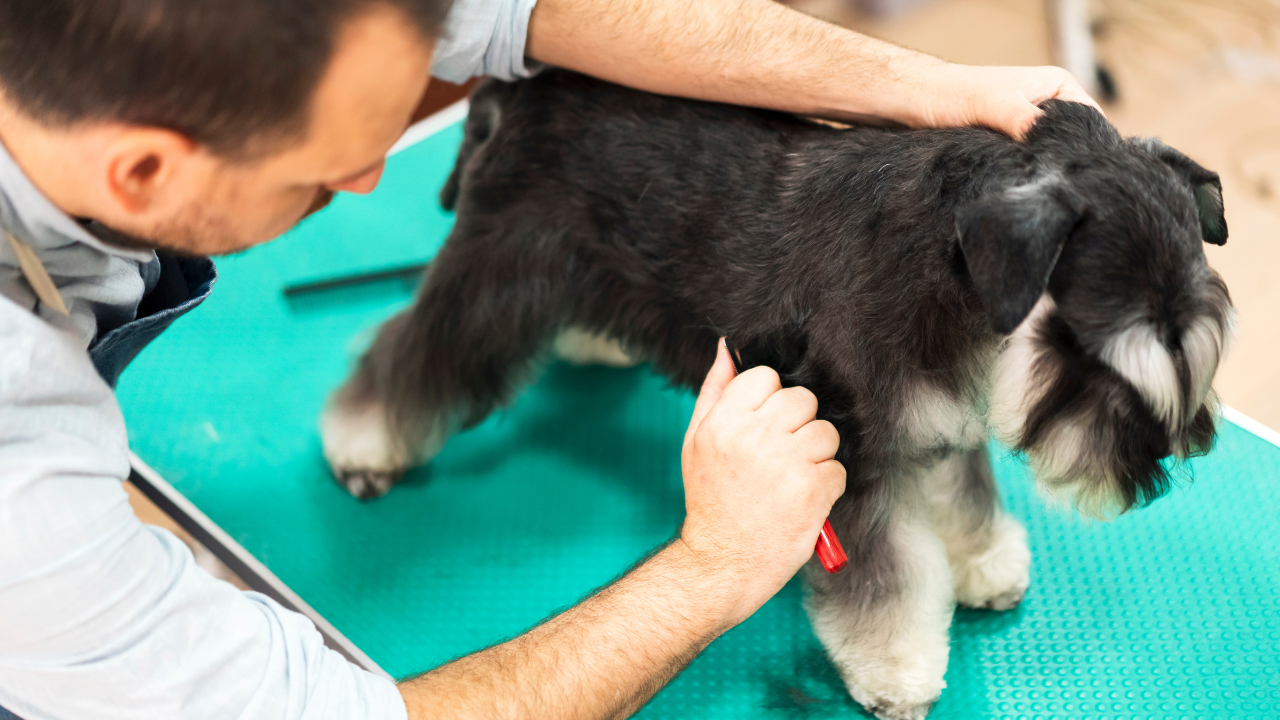
There is one grooming skill that separates a good groomer from a great one and it is one that fewer and fewer groomers are taking the time to learn properly: hand stripping. At the PDGA International Grooming Seminar in May 2026, we were lucky enough to learn from Helen Forester, an Australian-recognised Pet Stylist and International Master Groomer with over 20 years of experience and a true specialist in this craft. In this guide, we break down exactly what hand stripping is, which breeds need it and how to start doing it the right way. You can read the full story from the seminar here: Inside PDGA's International Dog Grooming Seminar 2026.
What Is Hand Stripping?
Hand stripping is a grooming technique used on wire-coated and rough-coated breeds, where dead outer guard hairs are removed by hand, or with the help of a stripping knife, rather than being cut with clippers or scissors. The hair is pulled out, not cut, which sounds more dramatic than it actually is. When done correctly and at the right point in the coat's growth cycle, hand stripping is not painful for the dog at all.
Wire coats are made up of tough outer guard hairs designed to protect the dog from the elements. Unlike soft, fine coats, these hairs do not shed naturally on their own. If they are not removed, the coat becomes dull, the colour fades and the texture softens over time. Hand stripping works with the coat's natural growth cycle to remove the dead hair and make way for a fresh, healthy coat underneath.
Hand stripping vs carding
These two terms get confused often, so it is worth clarifying the difference. Carding removes the soft, dead undercoat using a carding knife or rake, while hand stripping removes the coarser, dead topcoat by hand. Most professional grooming sessions on a wire coat involve both: carding first to clear the loose undercoat, then hand stripping to remove the guard hairs and leave the coat lying flat and neat.
Hand stripping vs clipping
This is the comparison that matters most for clients. Clipping is faster and easier, which is exactly why so many groomers default to it. But clipping only cuts the hair at the surface. It does not remove the hair from the root, which means the coat regrows softer and duller with every clip. Over time, a wire coat that is regularly clipped instead of stripped loses its texture and colour completely. If you are also working on Schnauzers, our guide to grooming a Schnauzer's face covers the facial scissoring side of this breed in detail, which pairs naturally with hand stripping on the body.
Which Breeds Need Hand Stripping?
Hand stripping is recommended for breeds with wire, rough, or broken coats. It is more about coat type than breed alone, but the following are the breeds groomers encounter most often:
- Schnauzers (Standard, Miniature and Giant)
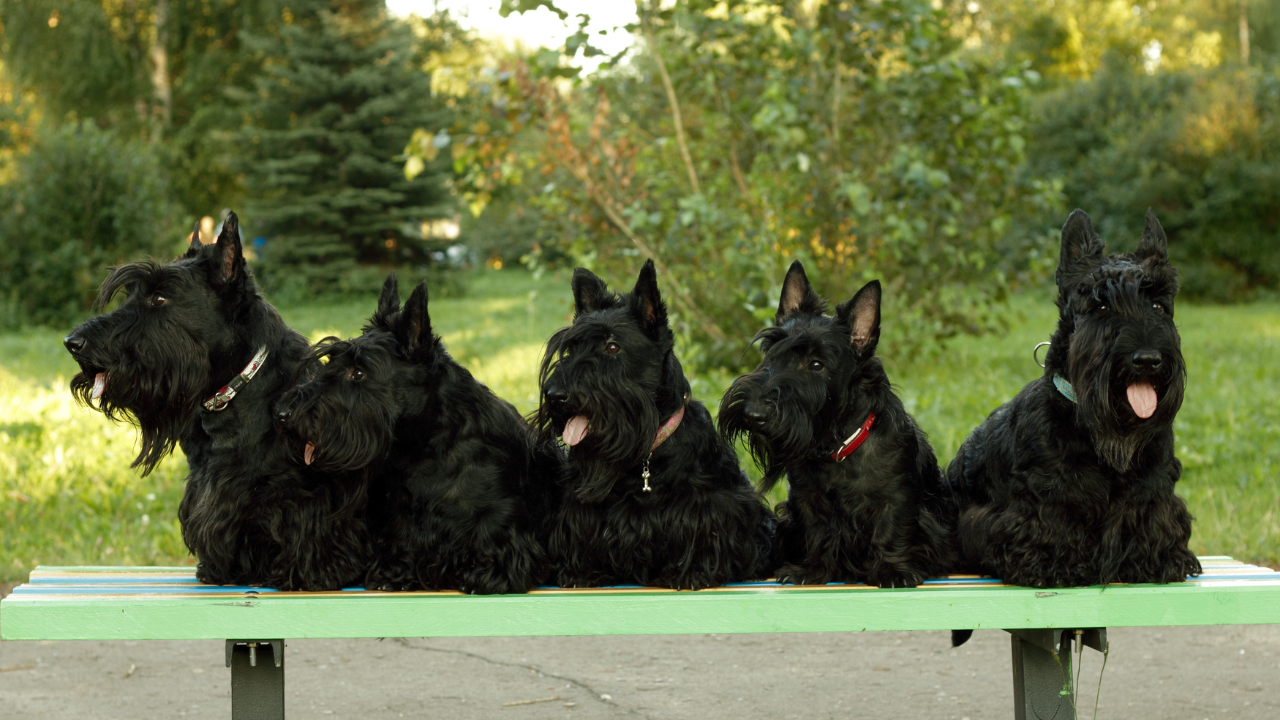
- Terriers, including Airedale, Border, West Highland White and Scottish Terriers
- Wire-haired Dachshunds
- Irish Wolfhounds
- Wire Fox Terriers
- Some Spaniel coats, where stripping helps maintain a natural finish
If you are unsure whether a dog should be stripped, there are a few simple checks. Feel the coat. Wire and bristly textures are a strong indicator. Gently pull a small section of hair, if it comes away easily with no resistance and the dog shows no discomfort, the coat is likely ready to be stripped. If the hair holds firm, the coat is not in the right phase yet and pulling at that point would not be appropriate.
Why Hand Stripping Matters for Coat Health
Beyond the breed-standard appearance that hand stripping preserves, there are real coat health benefits that make this technique worth learning properly.
- It keeps the coat lying flat, which prevents matting and tangling around the legs and underarms
- It maintains the coat's natural colour and shine, which fades with repeated clipping
- It preserves the coat's protective and weatherproof qualities
- It reduces the risk of clogged follicles and skin irritation that comes from dead hair sitting on the skin
- It supports the dog's natural shedding cycle instead of working against it
How to Hand Strip a Dog's Coat: Step-by-Step
Once you understand the why, here is how the process actually works in practice.
1. Best to start on a dirty coat
Natural oils and dirt create friction, allowing the hair to be gripped securely and released more easily from the follicle. This reduces slipping, excessive pulling, and discomfort for the dog while making the stripping process smoother and more efficient.
2. Check the coat's growth phase
Hair grows in cycles and hand stripping works best during the resting phase, when the hair is loose at the root and ready to come away. Hair that is still actively growing will be much harder to remove and may cause discomfort. Running your fingers through the coat will tell you quickly whether it is ready.
3. Card the undercoat first
Use a stripping or carding knife or rake to remove the soft, loose undercoat before starting on the guard hairs. This step makes the rest of the process significantly easier and gives a cleaner final result. If you are still building your toolkit, our guide to choosing the right dog grooming scissors also covers tool selection principles that apply to stripping knives and finishing tools.
4. Strip in small sections
Work through the coat in small, manageable sections rather than trying to cover large areas at once. Grip a small amount of hair between your finger and thumb, or use a stripping knife to assist with grip and pull gently in the direction of hair growth. Always pull with the growth, never against it.
5. Keep the skin taut
Using your free hand to gently hold the skin taut as you pull helps the hair release more easily and keeps the dog comfortable throughout. This small habit makes a noticeable difference, especially on looser-skinned areas like the neck and chest.
6. Work the whole body methodically
Most groomers start at the topline, from the head down to the base of the tail, then move to the sides, chest and legs. Working in a consistent order helps you keep track of what has been stripped and ensures an even finish across the whole coat.
7. Finish with a card and comb
Once the stripping is complete, card through the coat again to remove any loose hairs left behind, then comb it through fully. This final pass is what gives the coat that clean, flat, professional finish.
Common Hand Stripping Mistakes to Avoid
Hand stripping has a real learning curve. Here are the mistakes that trip up most beginners:
- Pulling against the growth direction. This causes unnecessary discomfort and can damage the hair follicle. Always check which way the coat grows before starting and pull in that direction only.
- Stripping a coat that is not ready. Trying to pull hair that is still in its growth phase is far more difficult and uncomfortable for the dog. Patience with timing makes the entire process smoother.
- Skipping the carding step. Going straight to stripping without removing the undercoat first makes the process slower and the result less clean. Card first, every time.
- Using too much force. Hand stripping should never involve yanking or forcing hair out. If hair is not coming away easily, it is not ready yet. Forcing it causes pain and can damage the skin.
- Rushing the session. Hand stripping takes considerably longer than clipping and that is the trade-off for the quality of the result. Booking enough time for the appointment is essential, both for the groomer's technique and the dog's comfort.
Why This Skill Is Worth Learning Properly
Hand stripping is a premium service and it should be priced as one. It takes considerably more time, skill and patience than a standard clip and clients who understand the benefits are willing to pay for it. Groomers who offer genuine, well-executed hand stripping build a loyal client base of wire-coat owners who often struggle to find someone who does it properly.
It is also, quite simply, becoming a rarer skill. Fewer groomers are taking the time to learn it, which means those who do stand out immediately. Helen Forester's session at the PDGA International Grooming Seminar was a reminder of just how much craft and care goes into doing this properly and why it remains one of the most respected skills in the grooming world.
Learn Hand Stripping with PDGA
Hand stripping is a hands-on skill that benefits enormously from proper, structured guidance. PDGA's Intermediate Dog Grooming course builds on foundational skills and introduces breed-specific techniques, including coat care for wire and rough-coated breeds, so you can develop this skill with confidence rather than trial and error.
Ready to add hand stripping to your skill set? Browse all our courses at pdga.online/courses and find the right starting point for where you are in your grooming journey.
Final Thoughts
Hand stripping is not the fastest grooming technique and it is not the easiest one to learn. But for groomers who take the time to master it properly, it opens the door to a specialised, well-paid niche and a deeply loyal client base. Wire-coated dogs deserve groomers who understand their coats and that understanding starts with learning the craft the right way.