Dog Groomers for Anxious Dogs: How to Find the Right One & Keep Your Dog Calm
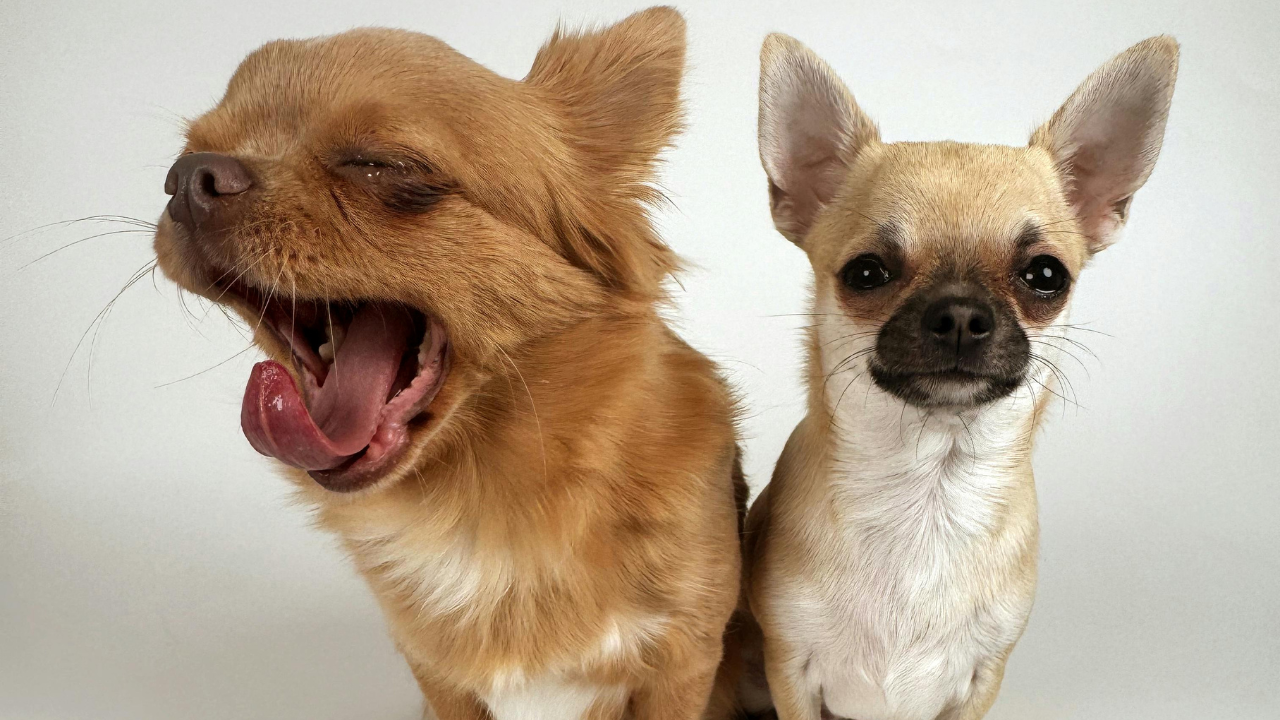
Grooming is essential for your dog's health, but for many dogs, it's anything but relaxing. The buzzing clippers, slippery tables, unfamiliar hands, and loud dryers can push a nervous dog straight into panic mode. If your pup trembles at the sight of a brush or shuts down at the salon, you're not alone.
Finding the right dog groomers for anxious dogs is about more than convenience. It's about your dog's emotional well-being. With the right groomer, the right preparation, and a little patience, even the most nervous dogs can learn that grooming doesn't have to be scary.
Understanding Dog Anxiety During Grooming
Not all dogs experience grooming the same way. Some breeze through without a care, while others treat the grooming table like a genuine threat. Grooming anxiety is a real stress response, not bad behaviour, and understanding where it comes from is the first step toward helping your dog.
Why Does Grooming Anxiety Develop?
There are several reasons a dog may develop a fear of grooming:
- Negative early experiences: A rough first grooming session can leave a lasting impression.
- Lack of early exposure: Dogs that weren't introduced to grooming as puppies often struggle more as adults.
- Sensory sensitivity: Some dogs are naturally more reactive to sound, touch, or new environments.
- Separation anxiety: Being left with a stranger in an unfamiliar place can be deeply distressing.
- Past trauma: Rescue dogs, in particular, may carry unresolved fear from previous experiences.
It's also worth noting that the noises that dogs hate are among the most common triggers of anxiety in dogs. Understanding this helps both owners and groomers respond more compassionately.
Signs Your Dog Is Anxious During Grooming
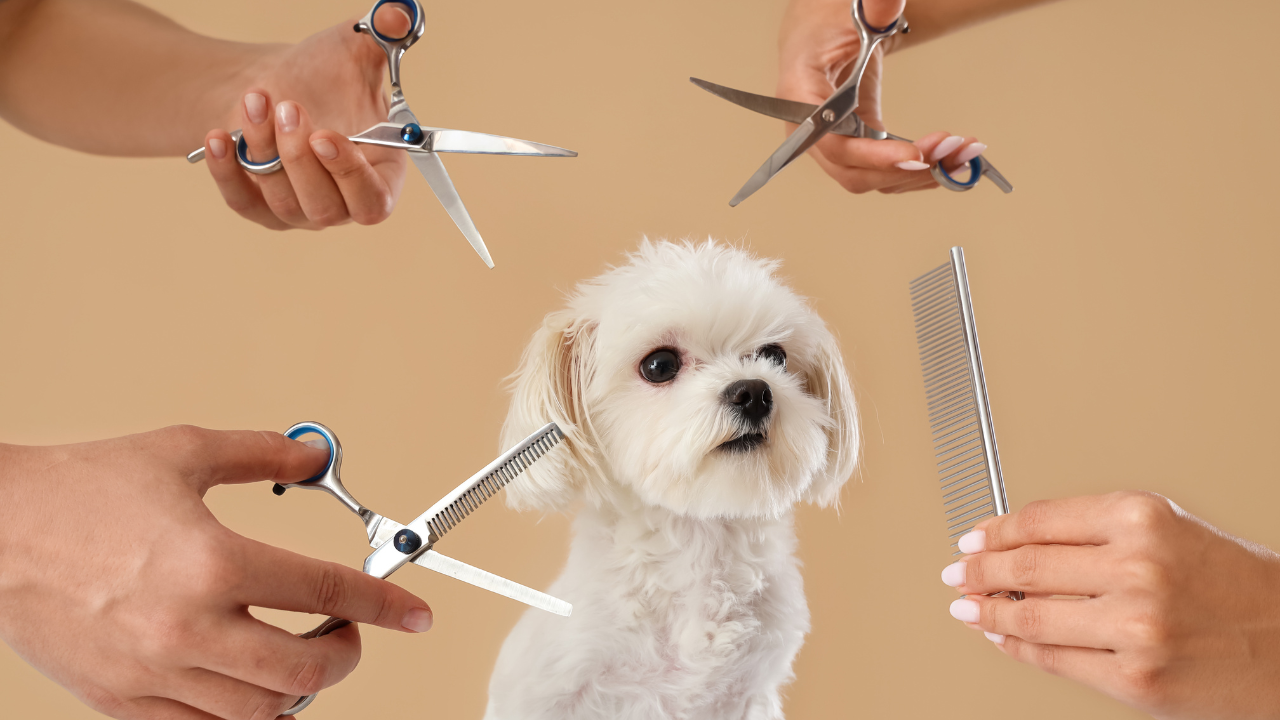
Dogs can't tell us they're stressed, but their bodies speak loudly. Learning to read these signals for a groomer is the first step toward getting your dog the right support.
Mild signs:
- Yawning repeatedly when not tired
- Lip licking without food present
- Deliberately looking elsewhere, unwilling to engage with the groomer
- Ears pinned flat against the head
More obvious signs of distress:
- Trembling or shaking throughout the session
- Excessive panting in a cool environment
- Attempting to escape or jump off the table
- Freezing completely — going stiff and still
- Growling, snapping, or attempting to bite
If your dog consistently shows moderate to severe signs, it's time to seek out a groomer specifically trained in handling anxious dogs, not just a general salon. You should also know the warning signs of a bad groomer so you can protect your dog from experiences that could make anxiety significantly worse.
How to Prepare Your Anxious Dog Before the Appointment
What happens before the grooming appointment matters just as much as what happens during it. What you do at home before the appointment can make a significant difference on the day.
Desensitisation at Home
The goal is to make grooming tools, sounds, and handling feel normal, not threatening. Start slowly and keep sessions short:
- Introduce tools gradually: Let your dog sniff the brush, clippers (off), and nail file. Reward calm curiosity with treats.
- Handle sensitive areas daily: Gently touch paws, ears, muzzle, tail, and belly during relaxed moments at home.
- Play grooming sounds softly: Play clipper and dryer sounds quietly during meals and gradually increase the volume over days. An electric toothbrush can be used to simulate the sound of clippers.
- Practice short brush sessions: Brush for one to two minutes, reward, and stop. Build duration only once your dog is comfortable.
Day-of Preparation Tips
- Take your dog for a walk or play session before the appointment; a tired dog is generally calmer.
- Feed a light meal a few hours before, not right before, to avoid nausea.
- Ensure your dog has toileted before leaving home.
- Stay calm yourself. Your nervous energy transfers directly to your dog.
Also, think carefully about how you first approach your dog to greet and lead them into the salon — slow, sideways movements and a calm voice set a positive tone from the very first moment.
How to Calm an Anxious Dog During Grooming
Whether you're grooming at home or your dog is with a professional, these calming techniques make a real difference.
Environmental Adjustments
- Soft lighting: Bright overhead lights can feel harsh and disorienting. Soft, natural light creates a gentler atmosphere.
- Calm background music: Slow, acoustic music or specially designed dog-calming playlists help reduce auditory overwhelm.
- Non-slip mat: A grippy surface on the grooming table removes the added stress of slipping and struggling for balance.
- Lavender or calming scents: Many groomers use lavender-infused sprays or shampoos, which have a well-documented calming effect on dogs.
Technique-Based Calming
- Short sessions over one long session: Break grooming into smaller chunks across multiple visits or days rather than trying to do everything at once.
- Reward-based handling: High-value treats for calm, still behaviour teach dogs that grooming equals good things.
- Speak softly and consistently: A calm, low voice reassures an anxious dog far more than baby talk or silence.
- Take breaks when needed: Forcing a dog to continue when they're visibly distressed makes anxiety worse, not better. A 10-minute break can completely reset the situation.
Understanding how professional groomers keep dogs still during sessions reveals just how much skill and technique are involved. It's never just about physical restraint.
Learn how to make your dog like grooming with our expert tips in the video below!
What Professional Groomers Do for Anxious Dogs
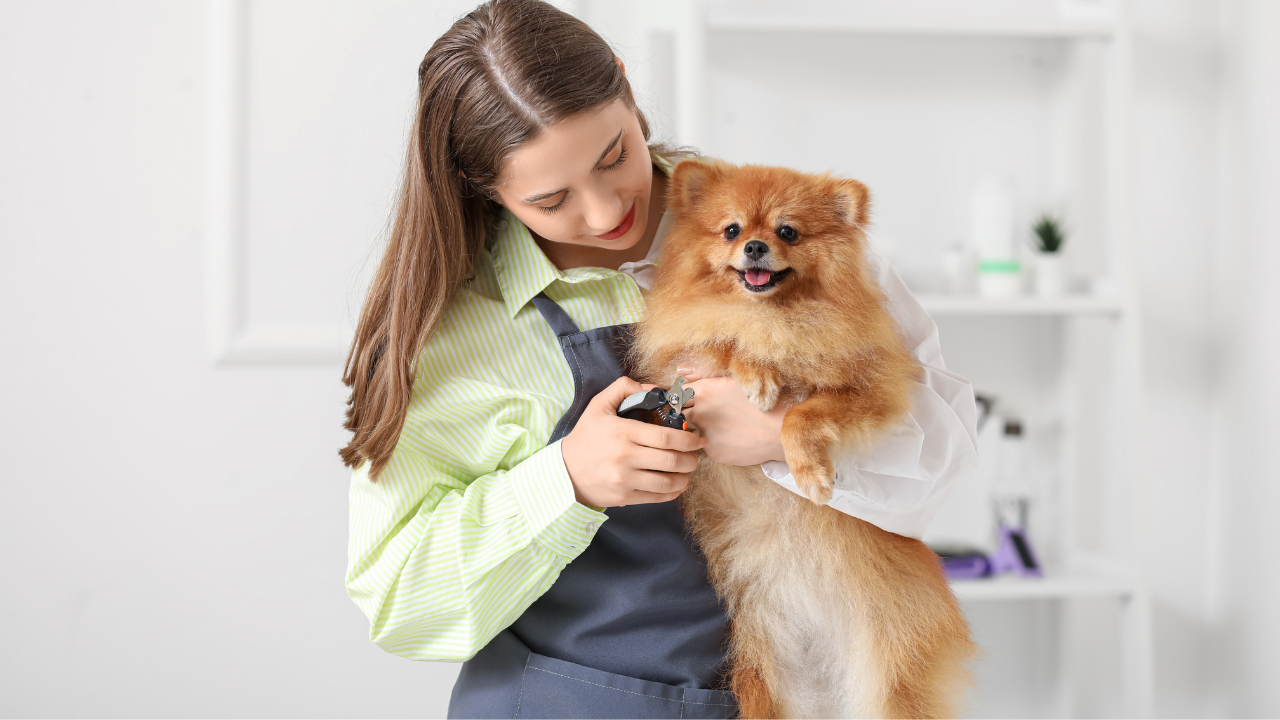
Skilled groomers who specialise in anxious dogs approach each session very differently from a standard grooming appointment. Their toolkit goes far beyond shampoo and scissors.
Techniques used by experienced groomers include:
- Pre-grooming consultations: Understanding a dog's specific triggers before the session begins.
- Consent-based handling: Checking in with the dog at each step rather than rushing through.
- Fear-free positioning: Avoiding restraint methods that increase panic, using gentle support instead.
- Calming products: Pheromone sprays, anxiety wraps, and dog shampoos groomer use all contribute to a relaxed experience.
- Scheduling adjustments: Booking anxious dogs early in the day, before the salon gets busy and noisy.
- Splitting the groom: Completing grooming across two shorter visits rather than one long one.
For dogs with severe reactivity, the groomer's approach becomes even more specialised. Some of the same principles used when grooming an aggressive dog safely also apply to anxious dogs — patience, slow movement, and never punishing fear responses.
What to Look For When Choosing a Dog Groomer for Anxious Dogs
Not every grooming salon is equipped to handle a dog with genuine anxiety. Choosing the wrong groomer can set your dog's progress back significantly. Here's what to prioritize.
Green Flags in a Good Groomer
- They ask detailed questions about your dog's history and triggers before booking
- They welcome a pre-visit with no grooming — just sniffing, exploring, and treats
- They use positive reinforcement throughout the session
- They keep anxious dogs away from other dogs and high-traffic areas
- They are transparent about techniques and willing to stop if a dog becomes too distressed
Questions to Ask Before Booking
- Do you have experience handling dogs with anxiety or fear responses?
- How do you handle a dog that becomes distressed during the groom?
- Can we arrange a short introductory visit first?
- How do you structure sessions for anxious dogs — do you break them up?
- Are you certified or trained in fear-free or low-stress grooming methods?
Also consider whether the groomer holds professional qualifications. Today, many dog owners actively search for groomers who understand the requirements around grooming licensing and professional standards in 2026, and for good reason. Qualifications reflect a commitment to doing the job properly and ethically.
Why Certification and Professional Training Matter
When it comes to anxious dogs, a groomer's technical skill is only half the picture. The other half, arguably the more important half, is understanding canine behaviour.
A groomer trained in dog behaviour and psychology is far better equipped to recognise early stress signals, adjust their technique in real time, and build trust with a dog across multiple sessions. This is exactly understanding why certified dog training knowledge makes a difference matters so much in a grooming context.
For groomers wanting to go deeper, exploring canine behaviour training tailored for grooming professionals is one of the most valuable career investments available. It improves outcomes for anxious dogs and builds lasting client trust.
Dog owners can also help their dogs at home by working through online training for reactive dogs — a flexible, effective option that fits into any schedule.
At the Professional Dog Grooming Academy, behaviour and psychology are woven throughout the curriculum. PDGA graduates leave with the confidence to handle dogs of all temperaments, anxious ones included.
Conclusion
Grooming anxiety is real, common, and completely manageable with the right approach. Whether you're a pet owner trying to help a nervous dog or a groomer looking to better serve anxious clients, the answer lies in patience, knowledge, and the right professional support.
The most important step is choosing a groomer who understands that anxious dogs need more than a quick wash and trim. They need someone who genuinely understands canine behaviour. Certification, behaviour training, and a fear-free philosophy are the markers to look for.
Every calm grooming session builds trust. Over time, even the most anxious dog can learn that the grooming table isn't something to fear.
If you're passionate about handling all types of dogs professionally and compassionately, explore the online certification courses for dog grooming at PDGA. Where technical expertise meets genuine canine understanding.