What Is Asian Fusion Dog Grooming? A Complete Guide
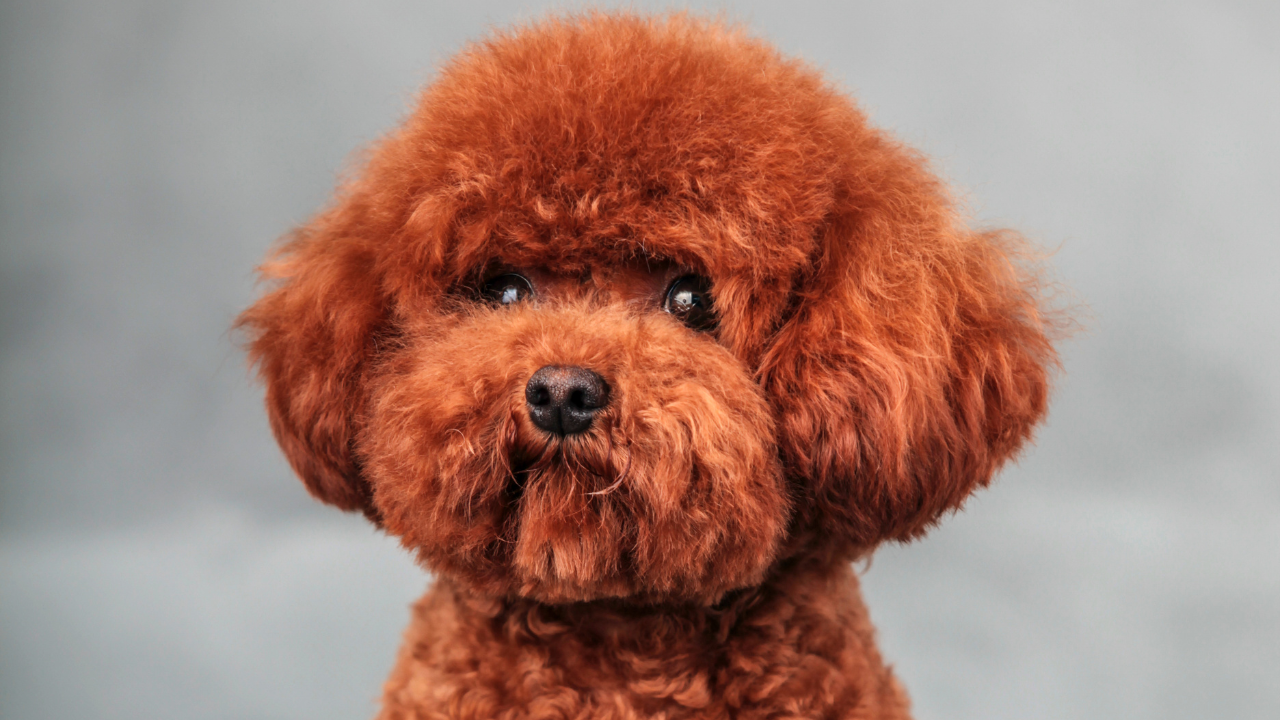
Picture a dog with a perfectly rounded face, cloud-like legs, and a soft, voluminous finish that makes them look like a living teddy bear. That is Asian Fusion dog grooming, one of the most creative, in-demand grooming styles in the world right now, and one that is transforming the way professional groomers approach their craft. At the PDGA International Grooming Seminar in May 2026, we had the privilege of learning from Lisa Hart, one of the pioneers who helped bring Asian Fusion grooming to an international audience. In this guide, we cover everything you need to know about the style: where it came from, how it works, which dogs it suits, and the techniques behind it. If you want the full story of what happened at the seminar, you can read it here: Inside PDGA's International Dog Grooming Seminar 2026.
What Is Asian Fusion Dog Grooming?
Asian Fusion dog grooming is a creative grooming style that originated in Japan, China, and Korea. It is also known as Asian Freestyle or Japanese grooming, and the central idea behind it is simple: make dogs look as cute, round, and puppy-like as possible, regardless of breed or age.
Traditional Western grooming follows strict breed standards. A Poodle should look like a Poodle. A Schnauzer should look like a Schnauzer. The breed standard is the rulebook, and groomers follow it closely. Asian Fusion throws the rulebook out entirely. Instead of working toward a defined breed silhouette, Asian Fusion groomers sculpt with personality and creativity in mind. Every dog gets a style that suits their individual character and their owner's vision.
The name itself has an interesting history. It was coined in 2007 by British groomer Pammie Carmichael Hogg, who used the term to describe the distinctive Eastern grooming techniques she encountered. Since then, it has become the accepted industry term for the style worldwide.
At its core, Asian Fusion is defined by a few signature principles: rounded shapes over sharp lines, soft volume over sleek clipping, and a body that is trimmed short to create contrast with the fuller, fluffier sections at the face, ears, and legs. The result is a look that is playful, expressive, and, let us be honest, absolutely irresistible on social media.
What Makes Asian Fusion Different from Traditional Grooming?
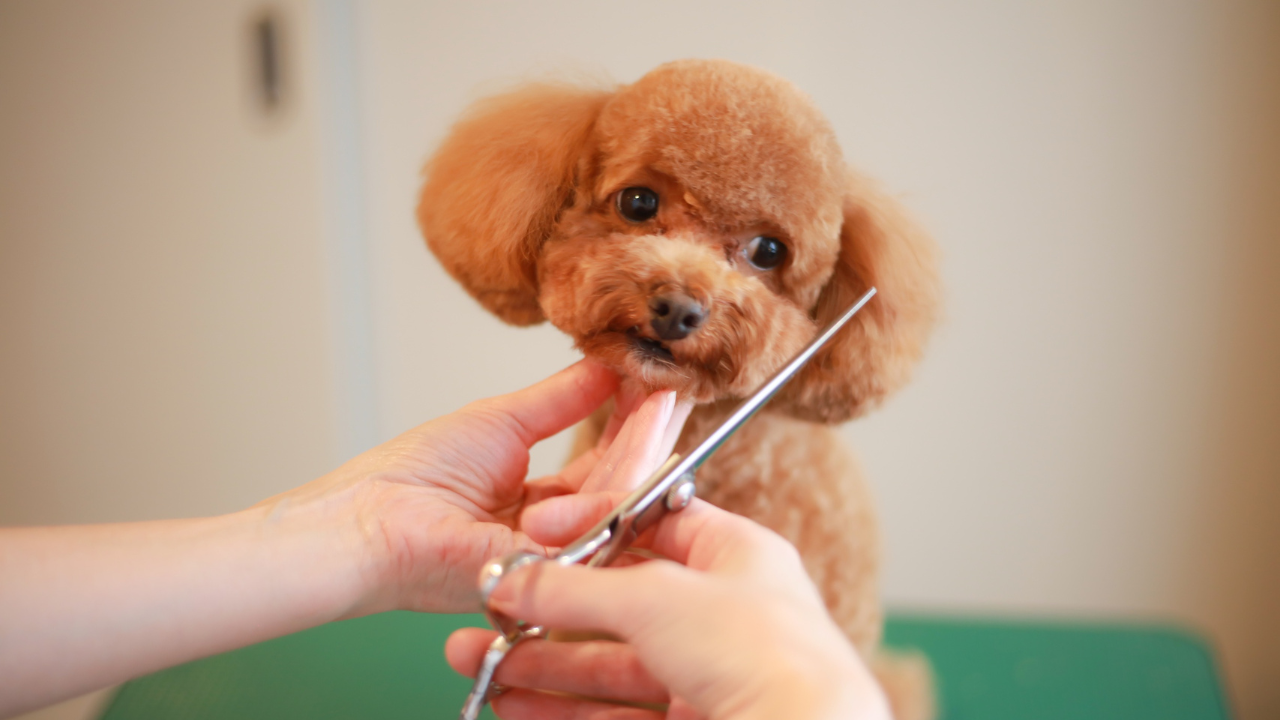
If you have trained in traditional breed-standard grooming, Asian Fusion will feel like a breath of fresh air. Here is how the two approaches differ in practice.
Breed standards vs creative freedom
Traditional grooming is guided by the breed standard set by kennel clubs and grooming associations. The proportions, the clipper pattern, the shape of the topknot: all of it is dictated by the breed. Asian Fusion has no such constraints. The groomer and the owner decide what the dog will look like, and creativity is not just allowed, it is the whole point.
Sharp lines vs rounded shapes
Western grooming styles tend to favour defined, sharp lines: think the crisp clipper lines on a Schnauzer's cheeks or the angular topknot on a show Poodle. Asian Fusion does the opposite. Every edge is rounded and softened. The face becomes a sphere. The legs become cylinders. The whole silhouette is designed to look plush and approachable.
Clipping vs scissoring
Traditional grooming makes heavy use of clippers to achieve consistent length across the coat. Asian Fusion relies far more on scissors, particularly curved scissors, to sculpt and shape the coat. The scissor work in Asian Fusion is what separates a good result from a truly stunning one, and it is one of the most important skills for any groomer wanting to offer this style seriously.
Personal touches
Asian Fusion openly embraces accessories, colour, and styling extras that traditional grooming would never allow. Bows, bandanas, a touch of pet-safe colour on the ears or tail: all of it is fair game. The dog becomes a canvas, and the groomer becomes an artist.
Which Breeds Suit Asian Fusion Grooming?
While Asian Fusion can technically be adapted for any breed, it works best on small to medium dogs with coats that can hold volume and shape. The more the coat can be sculpted, the more dramatic and effective the result.
The breeds that lend themselves most naturally to Asian Fusion include:
- Poodles and Poodle crosses (their dense, curly coat holds shape beautifully for the rounded silhouette)
- Shih Tzus (the long, silky coat suits both the flowing version and the teddy bear variation)
- Maltese (the white, fine coat responds brilliantly to volume-based scissoring)
- Bichon Frise (naturally fluffy coat is already partway to the Asian Fusion look)
- Pomeranians (the double coat can be sculpted into stunning rounded shapes)
- Yorkshire Terriers (fine, silky coat suits the softer, sleeker Asian Fusion finish)
- Cocker Spaniels (longer ear furnishings give beautiful results with creative scissoring)
Coat type matters as much as breed. Dogs with dense or curly coats suit the full teddy bear look, while dogs with long, silky coats tend to suit the flowing, more refined Asian Fusion finishes. If you are grooming a long-haired breed and want to understand the coat better before experimenting, our guide to grooming a long-haired Dachshund covers coat prep and maintenance in useful detail.
The Signature Asian Fusion Techniques Every Groomer Should Know
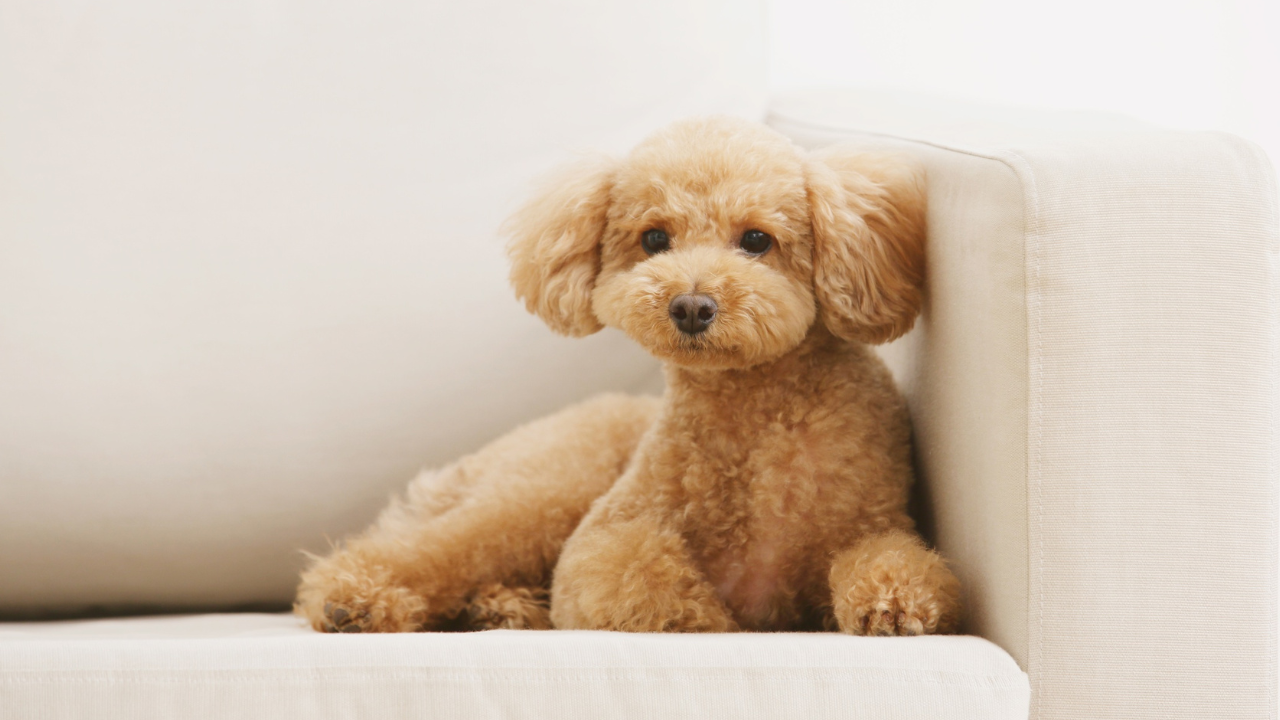
This is where Asian Fusion gets really interesting. The style looks effortless on a finished dog, but getting there requires a specific set of techniques that take practice to master. Here is what every groomer working toward Asian Fusion should be developing.
1. Rounded face shaping
The face is the centerpiece of any Asian Fusion groom. The goal is a perfectly spherical or oval shape, with no angles, no flat sections, no harsh lines anywhere. Start by combing all the facial hair away from the face, then scissor in a curved motion that follows the natural dome of the skull. The muzzle should be rounded from every angle, and the transition from the face into the ears should be blended seamlessly. Taking a step back frequently and checking the shape from multiple angles is essential. One flat section on the cheek can break the whole effect.
2. Fluffy leg sculpting
The legs in an Asian Fusion groom are designed to look like little columns of fluff. The coat is left longer on the legs and scissored into a consistent cylindrical shape from the body down to the paw. Curved scissors are the tool of choice here, as they allow you to follow the natural shape of the leg without leaving flat sections. The key is keeping the volume even on all four legs so the dog looks balanced when standing.
3. The body clip
Unlike the face and legs, the body in an Asian Fusion groom is typically clipped short. This contrast is intentional. A short, smooth body makes the volume on the face and legs stand out dramatically. It is what gives the style that distinctive layered look. The body clip should be smooth, even, with careful attention paid to the transitions where the body meets the legs and chest.
4. Scissor selection and technique
Asian Fusion is a scissor-heavy style, and using the right tools makes a significant difference to the outcome. Straight scissors handle the bulk of the shaping work, curved scissors follow the rounded silhouettes, and thinning shears blend any harsh lines left by the straight scissoring. If you are not sure which scissors to use for different sections of the groom, our guide to choosing the right dog grooming scissors covers everything you need to know.
5. Blending transitions
The mark of a truly polished Asian Fusion groom is seamless blending. Where the body meets the legs, where the face meets the ears, where the topknot meets the neck: every transition should look natural and smooth, and rushed blending is the most common reason an Asian Fusion groom looks amateurish, so this is the step that rewards patience more than any other.
Common Asian Fusion Grooming Mistakes to Avoid
Even experienced groomers can run into problems when learning Asian Fusion. Here are the most common mistakes to watch out for:
- Over-clipping the body. The contrast between the short body and the fluffy face and legs is what defines the style. If the body is clipped too short, the overall effect loses its impact. Use a longer blade than you think you need and build from there.
- Uneven rounding on the face. The face shape needs to be consistent from every angle. Many groomers focus too heavily on the front view and neglect the sides and back of the skull. Check the shape from above, from the side, and from the front before finishing.
- Skipping coat prep. Asian Fusion scissoring on an unprepared coat produces uneven, choppy results. The coat needs to be fully bathed, dried, and combed through before any scissoring begins. Trying to shape a tangled or damp coat is one of the fastest ways to ruin a groom.
- Inconsistent leg volume. If one leg is noticeably fuller or longer than another, it throws off the dog's entire silhouette. Measure and compare frequently as you go, and comb the leg coat out fully before each pass with the scissors.
- Rushing the finish. The final pass with thinning shears and a comb is what takes a good Asian Fusion groom to a great one. Skipping it leaves scissor marks and hard lines that break the illusion. Take your time on the finish and you will see the difference immediately.
Why Asian Fusion Is One of the Most In-Demand Grooming Skills Right Now
There is no mystery about why Asian Fusion has exploded in popularity over the last few years. Instagram and TikTok have made these looks go viral, and dog owners who see them on their feeds want exactly that look for their own dogs. The demand at salon level has never been higher.
For groomers, that creates a real opportunity. Offering Asian Fusion means attracting a younger, more engaged clientele who are willing to pay a premium for creative results and who are likely to share their dog's groom on social media, which means free exposure for the salon every single time. Groomers who can reliably deliver this style tend to build fuller appointment books and stronger client loyalty than those who stick solely to traditional cuts.
It is also a style where genuine expertise shows. Clients who have seen a great Asian Fusion groom know the difference between a groomer who truly understands the technique and one who is guessing. Lisa Hart's session at the PDGA International Grooming Seminar showed exactly why mastering this skill properly, with guidance from someone at the top of the craft, is worth the investment.
Learn Asian Fusion Grooming with PDGA
Developing a skill like Asian Fusion takes practice, and having the right foundation behind you makes all the difference. PDGA's online grooming courses are built to give you exactly that: expert-led video lessons, practical assignments, and professional feedback that takes you from the basics right through to advanced styling and breed-specific techniques.
Our flagship Professional Dog Grooming Course covers advanced scissoring, coat science, canine structure, and styling techniques that directly underpin what you need for Asian Fusion grooming. All courses are internationally accredited by ICOES, so the certificate you earn carries genuine weight with employers and clients alike.
Whether you are just starting out or you are already grooming and ready to level up, there is a course built for where you are right now. Browse all options at pdga.online/courses, or go straight to the Professional Dog Grooming Course (Option 2) if you are ready to build the advanced skills that Asian Fusion demands.
Final Thoughts
Asian Fusion dog grooming is not just a trend. It is a discipline that rewards creativity, precision, and a genuine love of the craft, and it is one that opens real doors for groomers who take the time to learn it properly. The demand is there. The clients are there. What makes the difference is the skill behind the scissors.
Start learning, keep practicing, and do not be afraid to experiment. The best Asian Fusion groomers in the world (Lisa Hart included) all started exactly where you are now.