Why is My Dog Losing Hair? Expert Guide
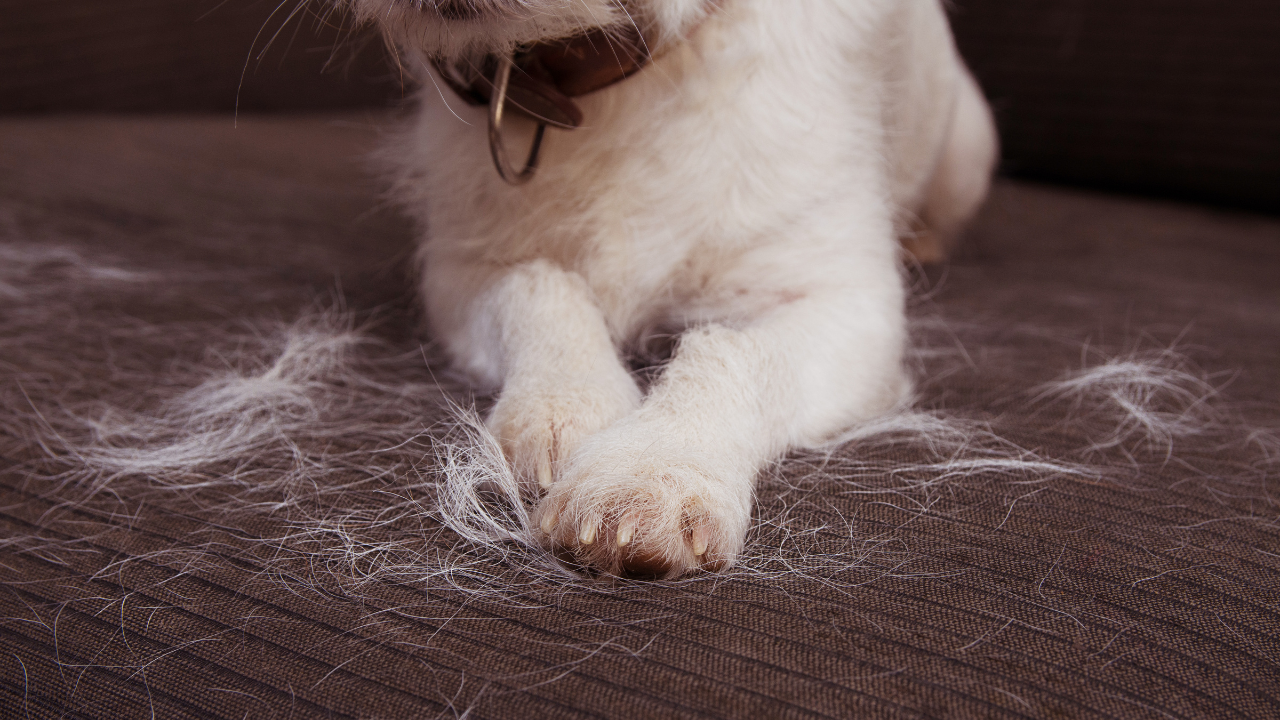
Noticing clumps of fur on the floor or bald spots on your dog’s body can be alarming. Many pet owners begin searching online with the question, “Why is my dog losing hair?”, hoping to understand whether the issue is harmless or a sign of something serious. Hair loss in dogs can happen for many reasons, ranging from harmless seasonal changes to underlying medical conditions that require professional attention.
This guide explains why a dog is losing hair, what patterns and symptoms to watch for, and how the issue is diagnosed and treated. Whether you have a puppy, an adult dog, or an old dog losing hair, understanding the cause is the first step toward restoring a healthy coat and improving your dog’s comfort.
What Is Hair Loss in Dogs?
Hair loss in dogs, medically known as alopecia, refers to partial or complete loss of fur in areas where it normally grows. It can appear gradually or suddenly and may affect a small spot or large portions of the body. Some dogs lose hair evenly, while others develop bald patches, scabs, or thinning fur around sensitive areas.
A dog losing hair does not always mean disease. Shedding is a normal process, especially during seasonal changes. However, when hair loss is excessive, uneven, or combined with itching or skin changes, it usually indicates an underlying problem that should not be ignored.
Is Hair Loss in Dogs Normal or a Sign of a Problem?
Some hair loss is completely normal. Dogs shed naturally to maintain coat health, and minor, evenly distributed shedding is nothing to worry about. During seasonal changes, shedding increases, but the skin remains healthy, and hair grows back naturally with regular brushing.
Hair loss becomes concerning when it is patchy, comes with bald spots, or is paired with irritation, redness, or scabs. Areas like the eyes, belly, tail, and ears often show the earliest signs. Old dogs losing hair may experience changes linked to hormonal imbalances, thyroid issues, or chronic conditions.
Observing your dog closely can help differentiate normal shedding from a problem. If hair loss persists, worsens, or comes with other symptoms, consulting a veterinarian is recommended.
Common Causes of Hair Loss in Dogs
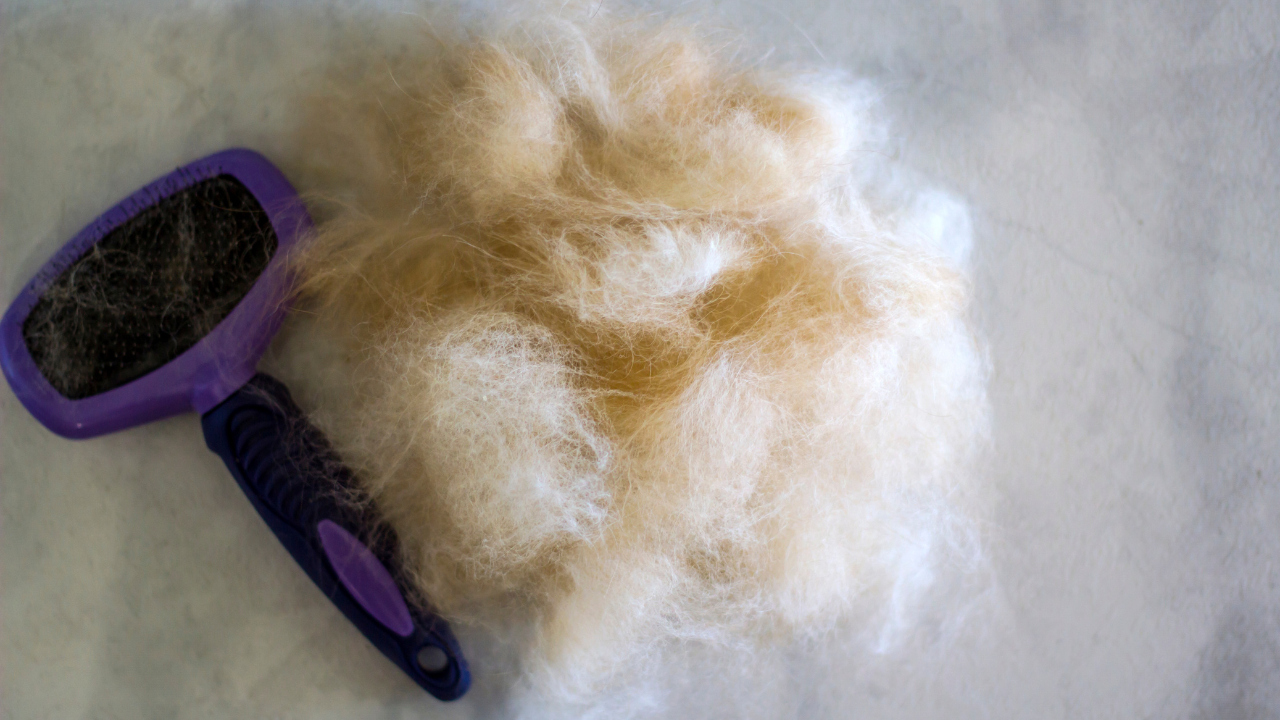
Understanding the cause is essential for effective treatment. Below are the most common reasons a dog is losing hair.
Allergies
Allergies are one of the leading causes of hair loss. Dogs can react to food ingredients, pollen, dust, mold, or grooming products. Allergic reactions often cause intense itching, leading to scratching, chewing, and hair breakage. Over time, this results in visible bald areas and irritated skin.
Parasites
External parasites are another major factor. Fleas on dogs can trigger allergic reactions that cause severe itching and hair loss, especially near the tail, belly, and hind legs. Mites and lice can also damage the skin and hair follicles if left untreated.
Skin Infections
Bacterial and fungal infections, including ringworm, can cause patchy hair loss with scaling or scabs. These infections often spread quickly and may be contagious to other pets or humans.
Hormonal Imbalances
Conditions such as hypothyroidism and Cushing’s disease disrupt normal hair growth cycles. Dogs with hormonal issues may lose hair symmetrically on both sides of the body without intense itching. An old dog losing hair is more likely to experience this type of problem.
Poor Nutrition
A lack of essential nutrients like protein, omega fatty acids, vitamins, and minerals weakens hair follicles. Dogs fed low-quality diets may develop brittle fur, dull coats, and increased shedding.
Shaving a Double-Coated Dog
You should never shave a double-coated dog because it can permanently damage the coat and skin. Double coats regulate temperature by insulating against both heat and cold; shaving removes this natural protection and can cause the coat to grow back unevenly or not at all. In many cases, shaving can trigger post-clipping alopecia, where the hair fails to regrow or grows back patchy, thin, or woolly. This condition can be long-term or permanent, leaving the dog vulnerable to sunburn, skin infections, and poor temperature regulation
Symptoms That Often Come With Hair Loss
Hair loss rarely occurs alone. Watch for these accompanying signs:
- Excessive scratching or chewing
- Red, inflamed, or thickened skin
- Scabs, sores, or crusty patches
- Flaky skin or dog dandruff
- Greasy odor or discharge
- Behavioral changes such as irritability
In some cases, dry skin on dogs contributes to itching and fur breakage, especially in cold or low-humidity environments.
Dog Hair Loss Patterns and What They Mean
The pattern of hair loss on a dog’s body can offer important clues about what’s causing the problem. For example, a dog losing hair around eyes or muzzle may be dealing with allergies, mites, or a fungal infection. Hair loss in small, round spots is often linked to parasites, pressure points, or localized skin infections.
When a dog loses hair in patches and scabs, it usually points to bacterial infections, hot spots, or allergic reactions that trigger excessive scratching. Symmetrical hair thinning on both sides of the body, especially without itching, is commonly associated with hormonal imbalances, particularly in an old dog losing hair.
Observing where and how hair loss appears helps narrow down the cause and ensures the right treatment is started early.
How Veterinarians Diagnose Hair Loss in Dogs
Diagnosing hair loss requires identifying the underlying cause rather than just treating the visible symptoms. Veterinarians begin with a physical examination and a detailed history of your dog’s diet, environment, and behavior.
Diagnostic tools may include skin scrapings, blood tests, allergy testing, or fungal cultures. These tests help rule out parasites, infections, and hormonal conditions. In more complex cases, a skin biopsy may be recommended.
When hair loss is persistent or worsening, veterinary care is necessary to prevent complications and ensure proper treatment.
How to Treat a Dog Losing Hair? Treatments and Solutions
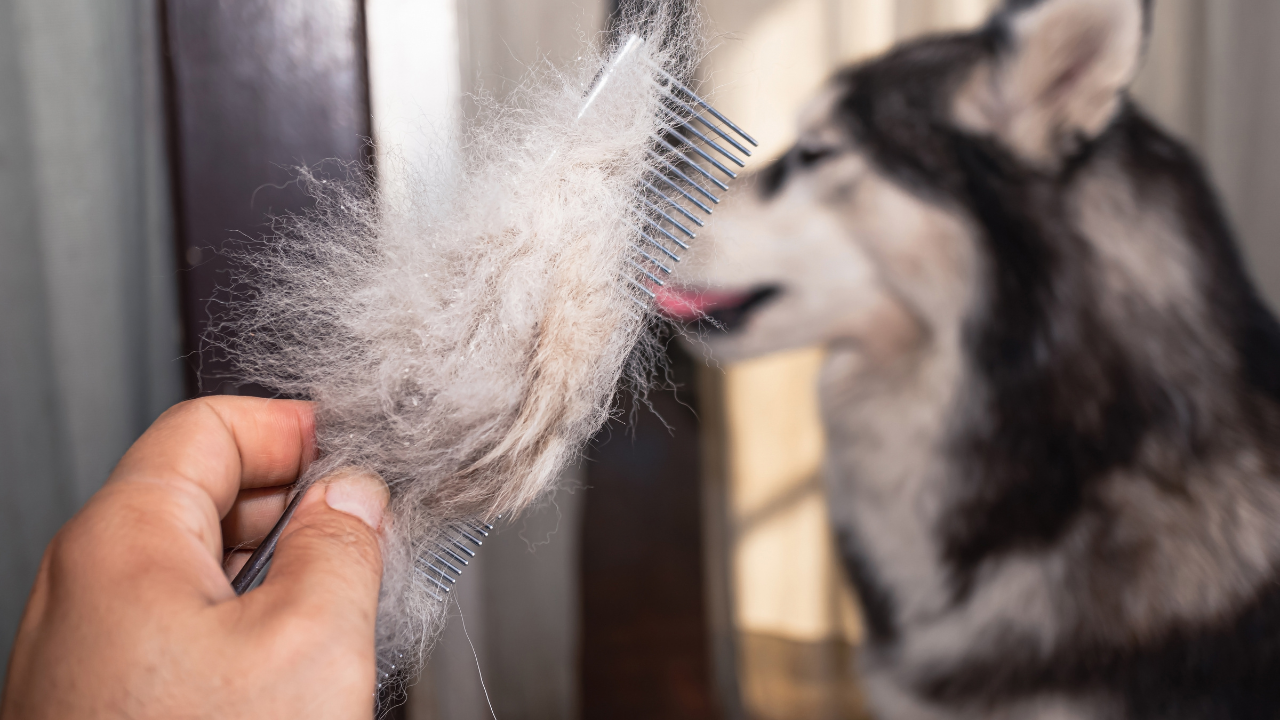
Treating a dog that is losing hair effectively depends on identifying the underlying cause. Hair loss is often a symptom rather than a condition itself, so addressing the root issue is essential for long-term recovery.
Medical Treatments
If parasites are the cause, your veterinarian may recommend prescription flea or mite preventatives. Bacterial or fungal infections often require topical or oral medications, while hormonal imbalances, such as hypothyroidism or Cushing’s disease, need long-term medical management. Proper veterinary guidance ensures correct dosing and follow-up care.
Dietary Support
Nutrition plays a key role in coat health. Feeding a balanced diet rich in proteins and essential fatty acids can strengthen hair follicles and promote regrowth. Supplements like omega-3 and omega-6 fatty acids may help soothe inflamed skin and reduce shedding. Poor-quality diets or deficiencies can make a dog prone to brittle fur and hair loss.
Topical and Home Care
Medicated shampoos and conditioners can treat infections, soothe irritation, and reduce flaking. However, improper grooming can worsen the problem. For example, razor burn on a dog can occur when shaving is done incorrectly, leading to redness, irritation, and hair breakage.
Environmental and Behavioral Adjustments
Reducing exposure to allergens and irritants, keeping bedding clean, and managing stress can prevent repeated scratching or licking. Behavioral issues, such as anxiety, can cause a dog to chew or lick fur excessively, so addressing stress through enrichment, exercise, and comfort measures is important.
Can Dog Grooming Help Prevent Hair Loss?
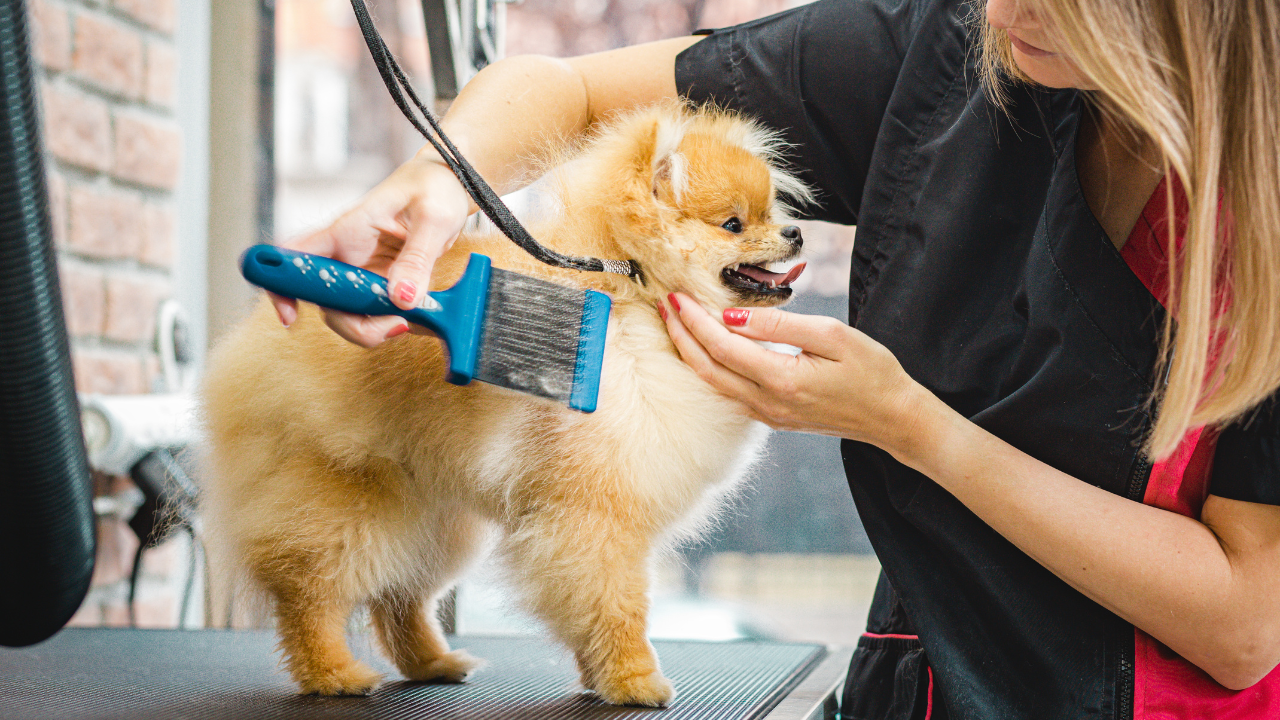
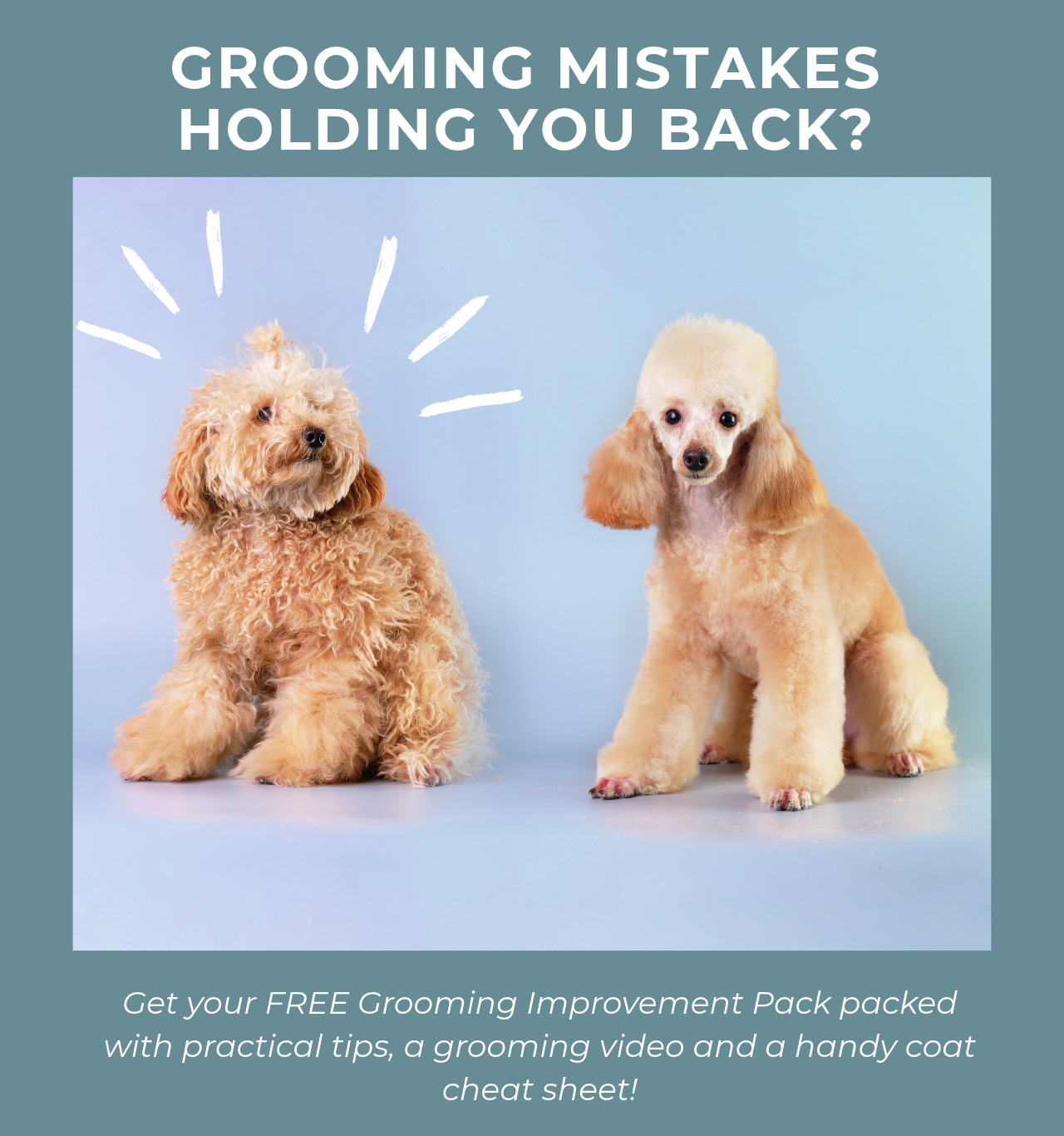
Yes, dog grooming is one of the best ways to maintain a healthy coat and prevent hair loss. Brushing removes loose hair and dirt while stimulating blood flow, keeping the skin and follicles healthy. Bathing with gentle, dog-safe products helps prevent dryness and irritation, supporting a shiny, strong coat.
Grooming also provides an opportunity to check your dog for early signs of skin problems and helps reduce stress-related behaviors like excessive licking or chewing. Consistent grooming routines make caring for your dog easier and more effective. Want to brush like a professional dog groomer? In this quick and practical guide, I break down the most common dog grooming brush types, what each brush is used for, and how to brush a dog correctly to achieve salon-quality results at home or in the grooming salon.
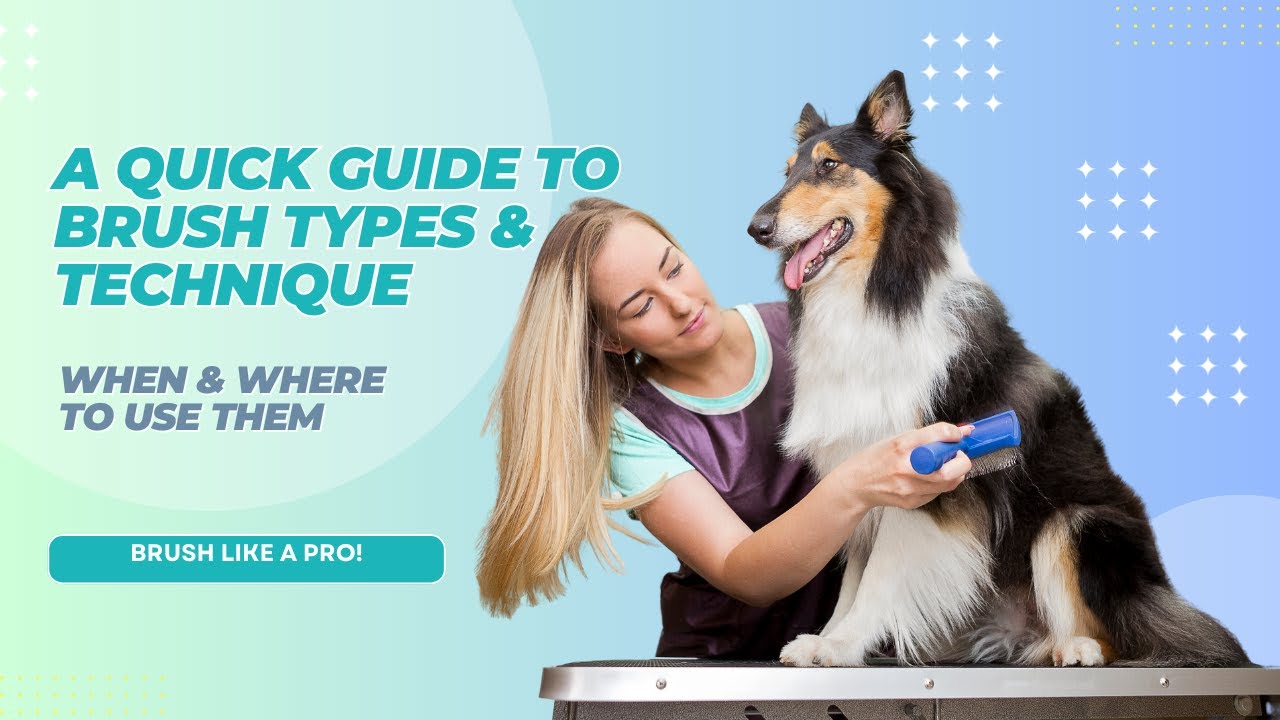
For those who want to improve their skills and care for their dog’s coat like a professional, PDGA offers expert Dog Care and Grooming Courses, providing expert training in brushing, bathing, coat maintenance, and advanced grooming skills. These courses help you confidently prevent hair loss and keep your dog looking and feeling their best every day.
Final Thoughts
If you find yourself repeatedly asking, “Why is my dog losing hair?”, remember that the answer often involves a combination of health, nutrition, grooming, and environment. Early observation, proper care, and professional guidance help most dogs recover and regrow healthy fur.
By staying proactive and attentive, you can protect your dog’s skin, comfort, and overall well-being.