Why Do Dogs Rub Themselves on The Carpet
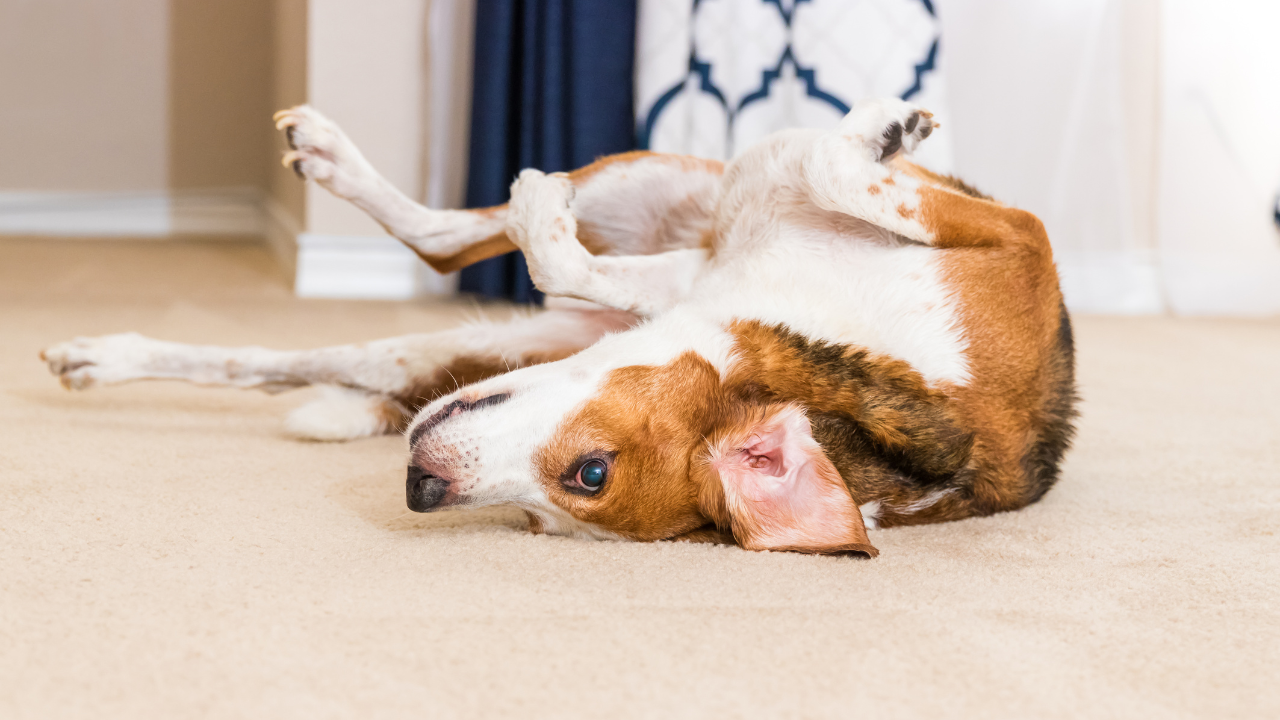
If you’ve ever caught your dog rubbing themselves on the carpet, you’re not alone. Many pet owners notice their furry companions dragging their face, belly, or even their backside across the rug and wonder what’s going on. While this behavior can look funny (or slightly alarming), it’s often your dog’s way of communicating something.
Dogs don’t have words like we do, so they use actions to express feelings or relieve discomfort. Rubbing against the carpet might mean they’re itchy, excited, or simply marking their scent. However, sometimes it can indicate a deeper issue, such as allergies, dry skin, or even an infection.
Understanding why dogs rub themselves on the carpet can help you respond the right way. Instead of scolding your pup, you’ll be able to figure out what they’re trying to tell you, whether it’s an innocent habit or a signal that something’s wrong.
In this guide, we’ll uncover the most common reasons behind this behavior, when it becomes a health concern, and what you can do to stop it safely. You’ll also discover expert grooming and care tips that can help prevent your dog from getting too itchy or uncomfortable again.
Let’s dive in and decode this quirky carpet-rubbing mystery!
Why Do Dogs Rub Themselves on the Carpet
Dogs are naturally expressive creatures. When they roll, rub, or scoot on the carpet, they’re not just being silly, they're sending signals. This behavior can serve multiple purposes, depending on the situation and your dog’s overall health.
For example, a dog rubbing its face on the carpet might simply be drying off after a drink or a bath. On the other hand, a dog rubbing its butt on the carpet could be trying to relieve itching or irritation around the anal glands. Sometimes, dogs just enjoy the texture of the rug or are releasing pent-up energy after grooming.
While carpet rubbing is often harmless, it’s important to pay attention to how often it happens and what part of the body your dog focuses on. If your pup seems uncomfortable, scratches excessively, or scoots often, it may be a sign of an underlying issue like allergies, dry skin, or parasites.
It’s also worth noting that dogs have a keen sense of smell. The carpet may hold interesting scents from food crumbs to cleaning products that make it an attractive surface for rubbing and rolling. So, what might look strange to us could simply be your dog’s way of exploring their environment.
Is Carpet Rubbing Normal for Dogs?
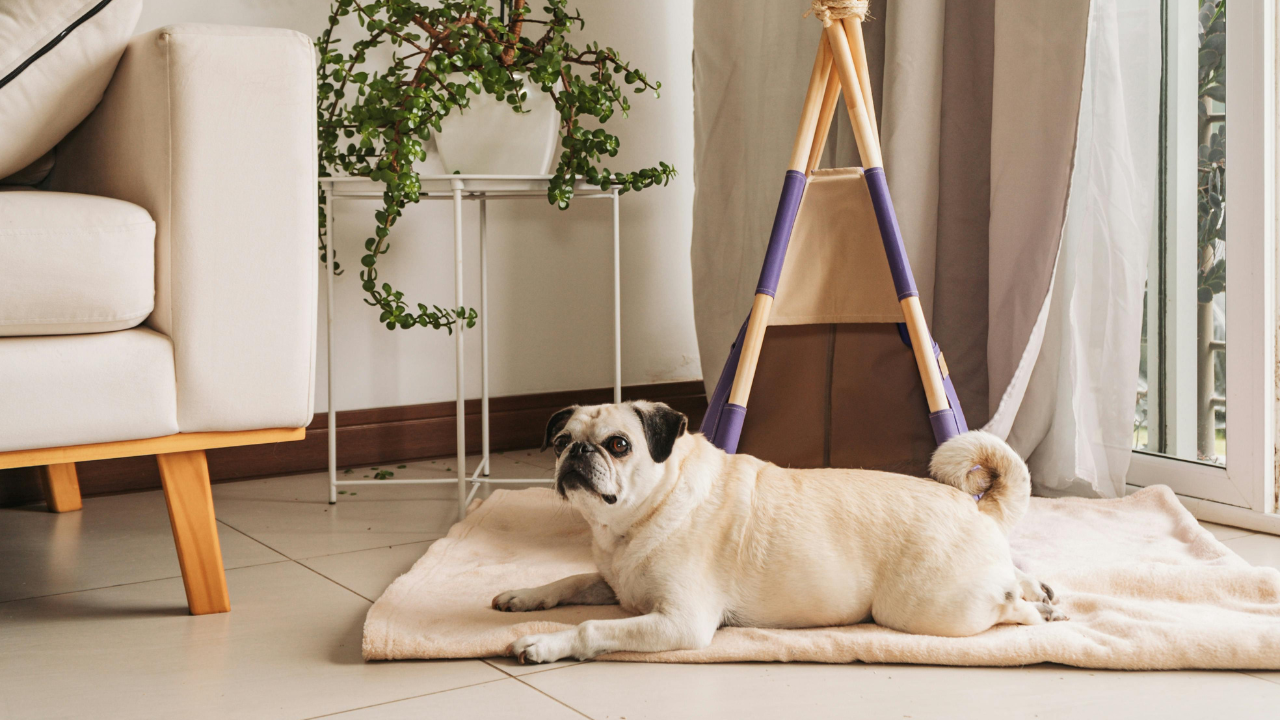
In many cases, carpet rubbing is completely normal for dogs. Just like humans might stretch after sitting for a long time or scratch an itch, dogs have their own ways of finding comfort. Occasionally rolling or rubbing their body, head, or even bum on the carpet is often nothing to worry about.
Dogs enjoy physical contact with different textures. A soft rug or carpet can feel soothing on their skin, especially after a bath or brushing session. When a dog rubbing face on the carpet, it might simply be drying off or removing leftover water, shampoo, or scents from grooming products.
Sometimes, dogs roll on carpets because they feel playful or content. This behavior can be their way of expressing joy, relaxation, or excitement. In such cases, you might also notice wagging tails, playful growls, or wiggly body movements, all signs of happiness.
However, if your dog is rubbing its butt on the carpet frequently or drags their body aggressively, it could indicate irritation or discomfort. Constant rubbing, paired with licking, biting, or scooting, may suggest issues like dog allergies, itchy skin, or even anal gland problems.
So, while occasional carpet rubbing is a part of normal dog behavior, repetitive or excessive rubbing deserves your attention. Keeping an eye on when, where, and how often your dog does this can help you spot any unusual patterns before they turn into health problems.
Possible Reasons Dogs Rub Themselves on the Carpet
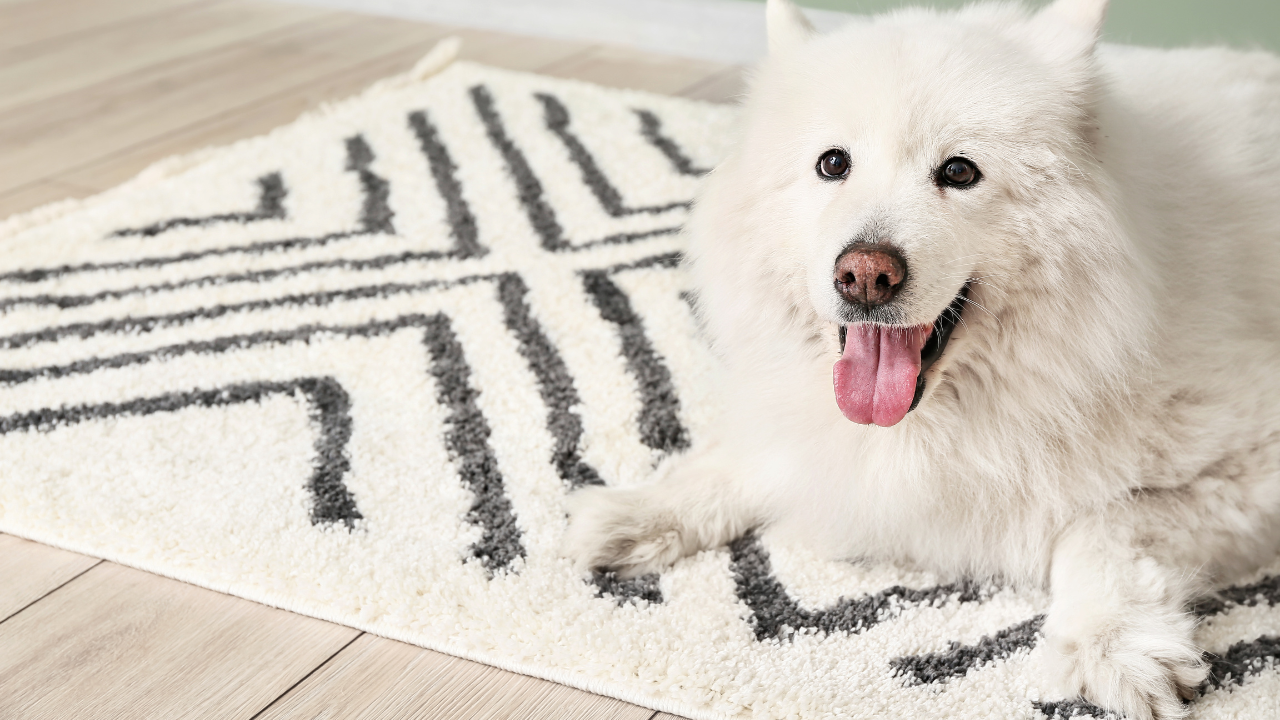
When you see your furry friend sliding or rolling across the rug, there’s always a reason behind it. Some are completely harmless, while others may need attention. Understanding each possibility helps you know whether it’s time for play, pampering, or a vet visit. Let’s break down the most common causes of this behavior.
Itchy Skin or Allergies
One of the top reasons dogs rub on carpets is itchy skin. Just like humans get the urge to scratch, dogs feel the same irritation, but they use their bodies differently. When they can’t reach a spot with their paws or teeth, dog scratching carpet.
Common causes of itching include:
- Seasonal allergies (like pollen or grass)
- Food sensitivities
- Dust mites or cleaning products
- Environmental irritants such as smoke or perfume
You may notice your dog rubbing its face on the carpet or dragging its body across the floor repeatedly. This is their way of soothing the itch. Unfortunately, constant rubbing can make things worse by irritating the skin further.
If you suspect allergies, it’s best to consult your vet. They can identify triggers and may recommend dietary changes or medications to calm the itching.
Dry Skin or Fleas
Dry skin is another common culprit. Weather changes, low humidity, or using harsh shampoos can strip away your dog’s natural oils, leaving their skin flaky and itchy.
Fleas, ticks, or mites can also make dogs go wild with irritation. Even a single flea bite can cause intense scratching and rubbing. Dogs will often roll on the carpet or rub their backs to get temporary relief.
If your dog scratching carpet, shakes its body often, or bites its tail, check for signs of parasites. Flea dirt (small black specks) or red bumps on the skin can confirm the problem.
Regular flea prevention and grooming with dog-safe shampoo, which dog groomers use, and moisturizing with conditioner can keep these issues under control.
Post-Bath Frustration or Relief
Many dog owners notice that when they dry a dog after a bath, their pet immediately sprints to the carpet and starts rubbing or rolling. This might look funny, but there’s a reason behind it.
Some dogs dislike the smell of shampoos or the sensation of being wet. By rubbing their body or face on the carpet, they’re trying to get rid of that “clean” scent or dry themselves faster. It’s their way of restoring their familiar smell, which they find comforting.
Others might simply feel relieved and energized after a bath, turning the rubbing into a post-bath celebration!
To reduce this behavior, towel-dry your dog thoroughly and use dog-friendly shampoos with mild or natural scents.
Marking Territory with Scent Glands
Dogs communicate heavily through scent. When a dog rubs their bum on the carpet, it might be leaving its natural scent behind. This behavior is instinctive, especially in multi-pet households, as a way to mark territory and assert presence.
Dogs have scent glands located around their anal area. By rubbing these parts on the carpet, they release their unique odor. It’s their subtle way of saying, “This spot is mine.”
While this is normal to some degree, excessive rubbing may still point to discomfort or blocked anal glands, which require veterinary care.
Trying to Remove a Smell
Dogs have incredibly sensitive noses. If they detect an unusual scent on themselves, such as shampoo, perfume, or even something you spilled on the carpet, they might try to rub it off.
This explains why a dog rubbing its face on the carpet often follows grooming, eating, or playing outdoors. They’re attempting to mask or remove a smell that doesn’t belong to them.
In nature, dogs use scent as a form of camouflage or communication. So, rubbing on surfaces to alter their odor is instinctive.
Seeking Attention or Play
Sometimes, carpet rubbing is nothing more than an attention-seeking act. Dogs quickly learn that when they roll or rub on the carpet, their humans react, whether by laughing, calling their name, or rushing to stop them.
To your dog, that reaction equals attention. So, they might repeat the behavior whenever they’re bored or want you to engage.
Playful rubbing often looks exaggerated with a wagging tail, rolling on the back, or playful growls. If this is the case, there’s nothing to worry about. A little extra playtime or mental stimulation can keep your pup entertained and prevent boredom-driven antics.
Expressing Happiness or Excitement
Finally, dogs may rub on carpets as a way to express pure joy. After walks, meals, or play sessions, your dog might roll on the floor out of happiness. It’s similar to how humans stretch or yawn in satisfaction.
This behavior often comes with happy body language, relaxed posture, tail wagging, and bright eyes. In such cases, carpet rubbing is just a natural expression of excitement and contentment.
However, keep an eye out for excessive repetition or discomfort. If rubbing becomes intense or constant, it’s time to check for other causes.
When Rubbing Becomes a Sign of a Problem
While occasional rubbing is normal, frequent or intense rubbing can signal discomfort or medical issues. If your dog scoots across the carpet or repeatedly targets the same spot, it’s time to investigate further.
Look out for these signs:
- Persistent itching or hair loss
- Foul odor near the rear end
- Red or inflamed skin
- Licking or biting at the same area
These symptoms may point to underlying skin problems or infections.
Skin Conditions That May Cause Excessive Rubbing
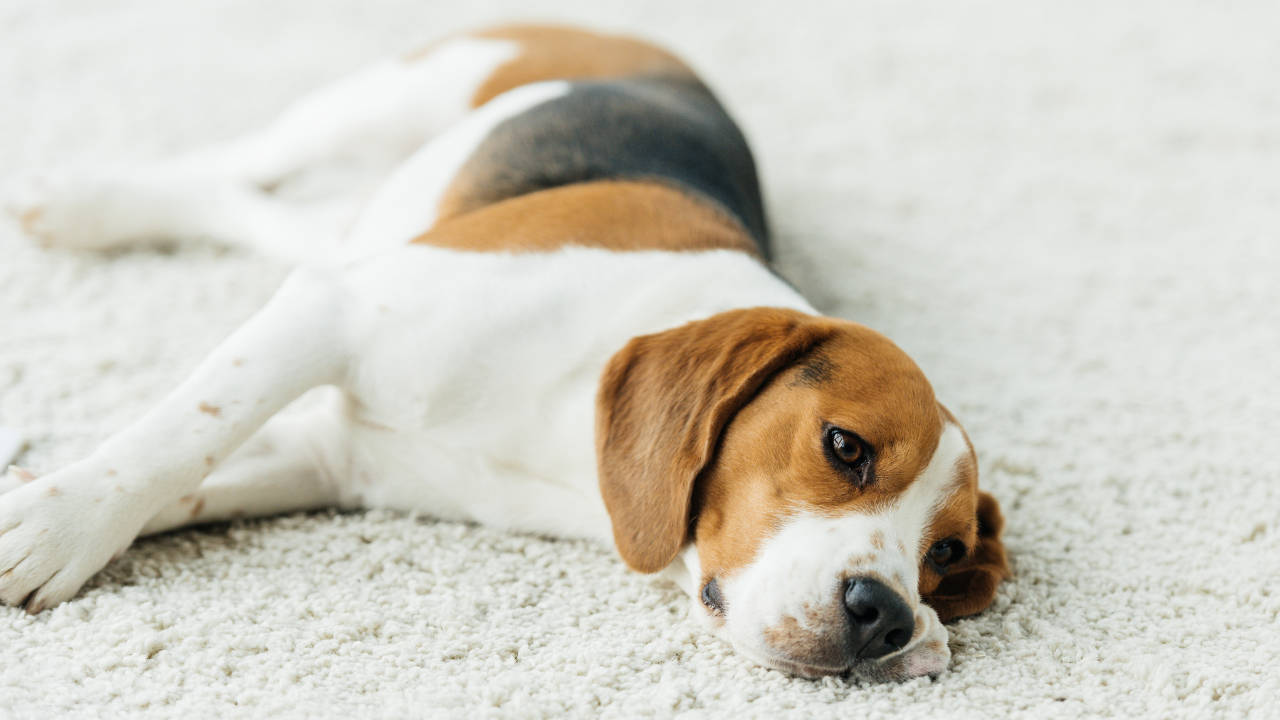
If your dog keeps rubbing or rolling on the carpet despite regular grooming, there’s likely an underlying skin issue causing discomfort. Dogs rely on their skin to communicate internal and external problems and constant rubbing is often the first visible clue.
Here are some of the most common skin conditions that trigger this behavior and what each might mean for your furry friend.
Flea Allergy Dermatitis
Even one flea bite can cause major irritation for a sensitive dog. Flea Allergy Dermatitis (FAD) is an allergic reaction to flea saliva, leading to intense itching, redness, and inflammation.
When a dog with FAD feels itchy, they’ll rub their back, sides, or rump on carpets and furniture to get relief. You might also notice:
- Red, inflamed patches near the tail or belly
- Constant scratching or biting
- Tiny black flea dirt on the skin or fur
While it might look like your dog rubbing bum on carpet just to scratch, the real issue is an allergic reaction. Treating FAD requires a combination of flea control products, antihistamines, and medicated shampoos. Regular cleaning of your home and bedding helps prevent reinfestation.
Ringworm or Mites
If your dog keeps rubbing its face on the carpet, and you see circular bald spots or scaly skin, ringworm could be to blame. Despite the name, ringworm isn’t caused by a worm, it's a fungal infection that spreads through contact with infected surfaces.
Another possible cause is mites, which burrow into the skin and cause relentless itching. Mange, caused by certain mites, leads to hair loss, redness, and crusty patches. These irritations drive dogs to rub their body and face against rough textures like carpets for temporary relief.
Both conditions are highly contagious and require prompt veterinary treatment. Topical antifungal or anti-parasitic medications can clear the infection, but early detection is key to preventing it from spreading.
Yeast or Bacterial Infections
A dog rubbing its face or body on the carpet could also be dealing with a yeast or bacterial skin infection. These infections often develop in warm, moist areas like the ears, paws, or underbelly.
Common signs include:
- Greasy or waxy skin
- Musty odor
- Redness or swelling
- Constant licking or rubbing
Yeast infections thrive when a dog’s skin balance is disturbed often due to allergies, moisture, or poor diet. Your vet might recommend medicated shampoos, antifungal creams, or antibiotics to clear the infection and restore skin health.
Keeping your dog dry after baths and regular grooming sessions, and ensuring proper hygiene, helps prevent these infections from recurring.
Anal Gland Impaction or Infection
When your dog rubbing butt on carpet, one of the most common medical reasons is impacted anal glands. These glands, located on either side of the anus, release scent during bowel movements.
If the glands get blocked, they become swollen and painful. To relieve pressure, your dog might scoot or rub the affected area on the carpet. Other signs include:
- Foul odor from the rear
- Licking or biting under the tail
- Difficulty sitting or defecating
A veterinarian can manually express the glands or treat infections if present. Regular anal gland maintenance, high-fiber diets, and sufficient hydration can prevent future blockages.
Allergic Dermatitis
Environmental allergens such as dust, pollen, or cleaning products can also cause chronic skin inflammation. Dogs suffering from allergic dermatitis often have itchy skin around the face, paws, and belly.
This leads to behaviors like a dog scratching carpet, rubbing the muzzle, or rolling repeatedly to relieve irritation. Identifying and minimizing allergen exposure is crucial. Sometimes vets recommend allergy testing, specialized diets, or anti-itch medication for long-term management.
How to Stop Your Dog from Rubbing on the Carpet
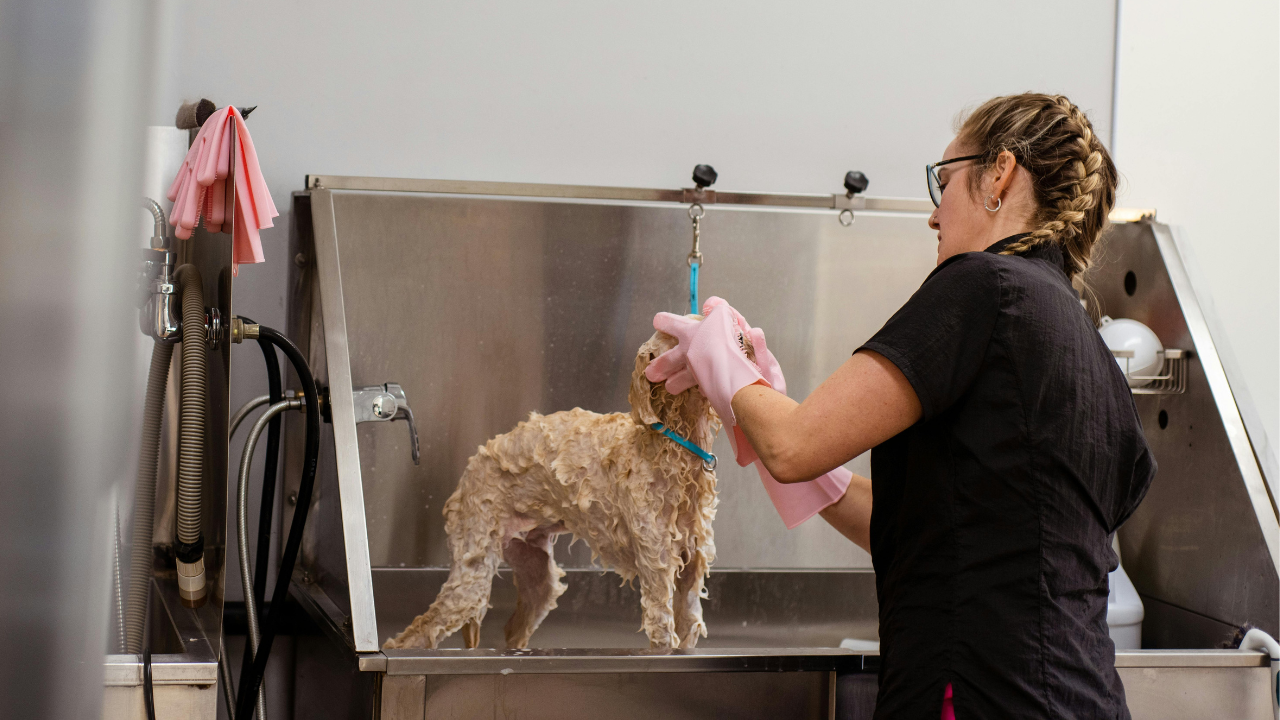
If rubbing becomes excessive, here are effective ways to help your pup feel better and protect your carpets.
Regular Grooming and Bathing
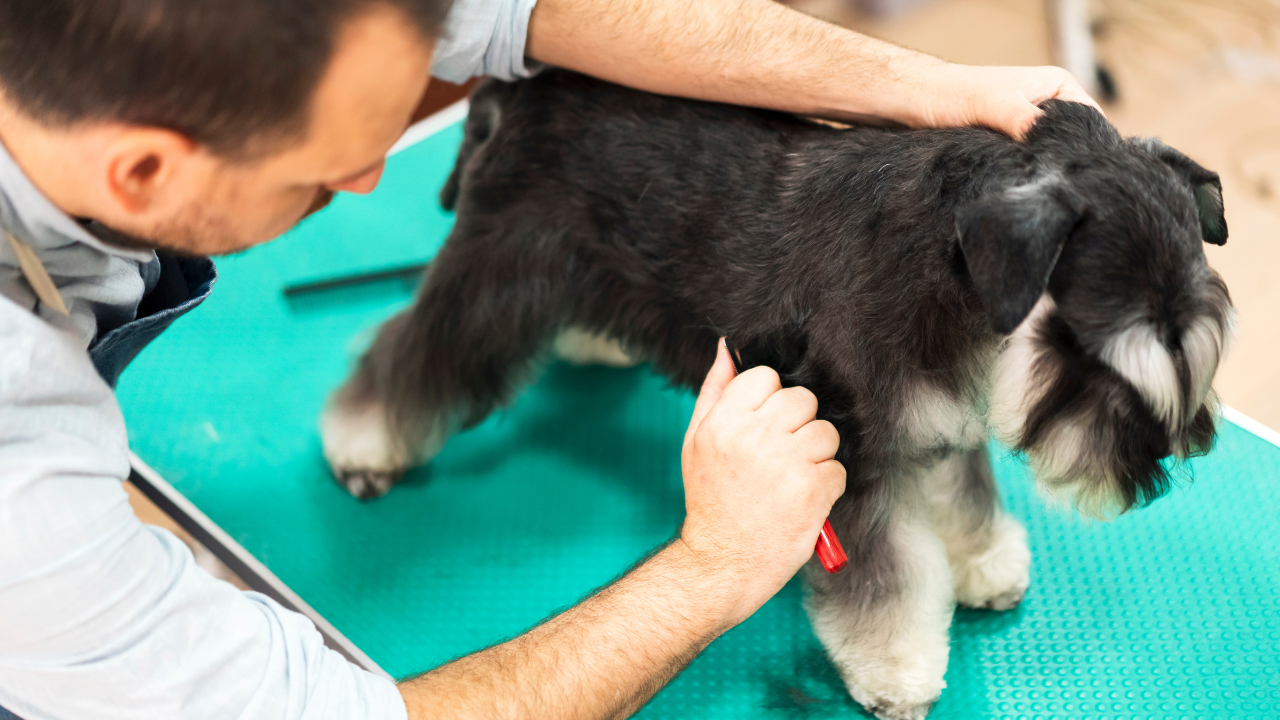
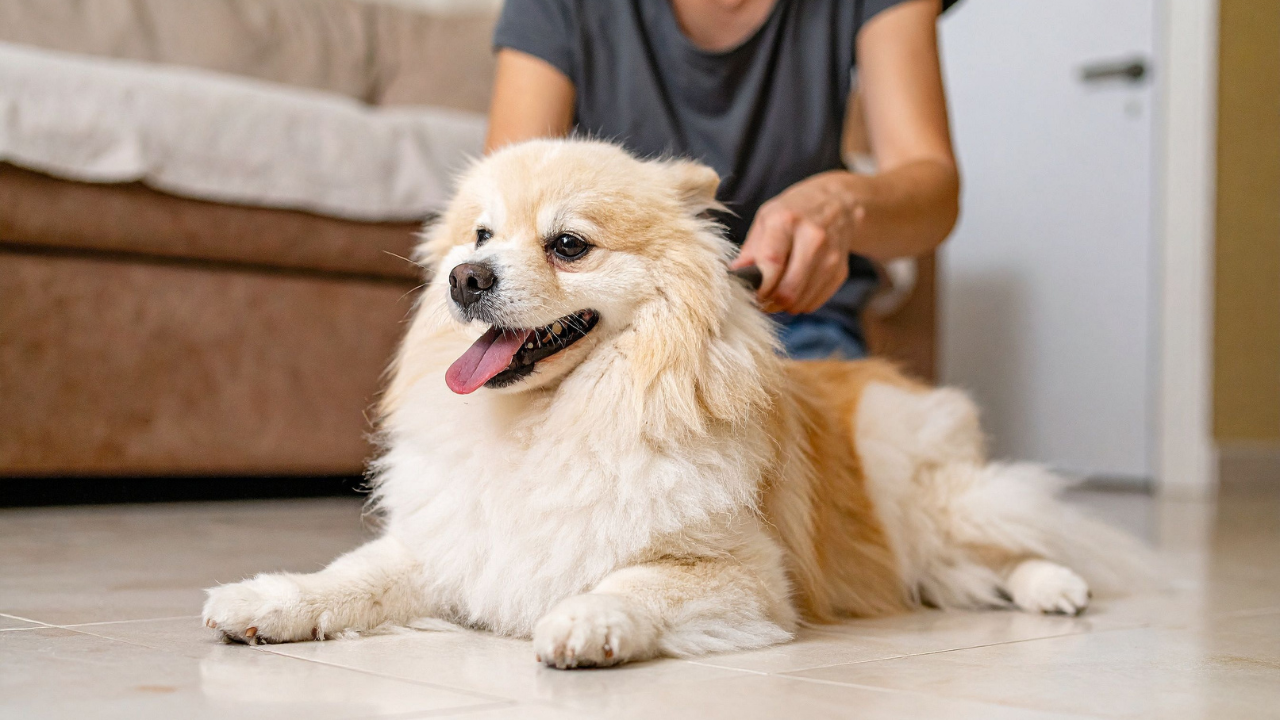
Proper grooming keeps your dog’s coat clean, prevents matting, and reduces skin irritation, all of which help minimize carpet rubbing. Use a slicker brush or a brush suited for your dog’s coat type regularly to remove loose hair, dirt, and allergens that can cause itching.
Bathing also helps soothe the skin, especially if your dog spends a lot of time outdoors. However, over-bathing can strip away natural oils and cause dryness. Aim for a balanced routine: most dogs do well with baths every 3–4 weeks, depending on their coat and activity level.
Use Dog-Friendly Shampoos
Using the wrong shampoo can make the problem worse. Human or heavily scented shampoos often contain chemicals that irritate a dog’s skin. Choose hypoallergenic or medicated dog shampoos designed to relieve itching and maintain skin moisture.
Look for ingredients like oatmeal, aloe vera, or coconut oil. These natural components soothe inflammation and keep your dog’s skin hydrated.
Maintain a Healthy Diet
What your dog eats directly affects its skin and coat health. A diet lacking in omega-3 fatty acids, vitamins, or protein can result in dry, flaky skin. Dogs with poor nutrition often become itchy and resort to rubbing or scratching.
To support healthy skin, feed your dog high-quality food rich in fish oil, flaxseed, and essential nutrients. Consult your vet about adding supplements if needed. A proper diet helps reduce dog scratching carpet behaviors caused by internal imbalances.
Hydration is equally important. Make sure your dog always has access to clean water to maintain healthy skin elasticity and reduce dryness.
Consult a Veterinarian for Persistent Itching
If you’ve tried everything, grooming, diet, parasite control, and your dog is still rubbing excessively, it’s time to consult your vet. Persistent rubbing can point to deeper issues like anal gland infections, yeast buildup, or allergic dermatitis.
A vet can perform skin tests, examine the anal glands, and prescribe medication if needed. They may also recommend specialized shampoos or dietary plans. Early diagnosis saves your dog from long-term discomfort and prevents small irritations from turning serious.
Remember: dogs can’t tell you what’s wrong, but their actions can. Paying attention to these signals keeps your pet comfortable, healthy, and happy.
Want to Understand Dog Behavior Better?
If your dog’s quirky carpet-rubbing habits have ever left you puzzled, you’re not alone. Understanding why dogs behave the way they do takes more than observation; it takes the right knowledge. That’s where the Professional Dog Grooming Academy comes in.
Our expert-led PDGA courses are designed for dog owners and aspiring groomers who want to truly understand canine behavior, health, and grooming from the inside out. Through professional guidance, you’ll learn how to:
- Identify and interpret common dog behaviors like rubbing, rolling, or scratching.
- Handle grooming sessions safely and confidently.
- Recognize early signs of skin irritation, allergies, or infections.
- Build stronger communication and trust with your dog.
Whether you want to improve your grooming skills or simply become a more confident pet parent, PDGA gives you practical tools to keep your dog happier and healthier every day.
Don’t just guess why your dog is rubbing its bum on the carpet, learn what they’re trying to tell you!
Conclusion
Dogs rub themselves on carpets for many reasons, from pure joy to underlying discomfort. Occasional rolling or rubbing is usually harmless, but persistent behavior deserves attention.
If your dog is rubbing its butt on carpet, scratches excessively, or rubs its face frequently, don’t ignore it. Check for fleas, dry skin, or allergies, and consult your vet if it continues. Maintaining a healthy grooming routine, using gentle products, and feeding a balanced diet can make a big difference.
Most importantly, remember: every behavior has a reason. By paying attention to your dog’s actions and learning through expert PDGA guidance, you’ll build a stronger bond and ensure your furry friend feels their best every day.