How to Give Your Dog a Spa Day?
Dogs give us unconditional love, loyalty, and companionship. In return, they deserve care that goes beyond basic feeding and walks. A dog spa day is not just about making your pet look good. It is about improving comfort, hygiene, and emotional well-being. When done correctly, a spa routine supports healthy skin, a clean coat, and a relaxed state of mind.
More pet parents are now choosing a dog spa at home to create a calm and familiar environment. Others prefer a day spa for dogs that offers professional tools and expertise. Both options can be beneficial when approached with care and understanding. This guide explains how to give your dog a spa day the right way, step by step, while keeping safety and comfort as top priorities.
What Is a Dog Spa Day?
A dog spa day is a dedicated grooming and relaxation session designed to refresh your dog’s body and mind. Unlike routine baths, a doggy spa day focuses on calm handling, gentle touch, and complete care from nose to tail.
Typical dog spa treatments include brushing, bathing, coat conditioning, nail care, paw treatment, and light massage. Some spa routines also include ear cleaning, teeth care, and calming techniques that help dogs relax during grooming.
A day spa for dogs can be done professionally or at home. What matters most is that the process respects your dog’s comfort, health needs, and temperament.
Why Your Dog Deserves a Spa Day
Dogs rely on their owners to maintain their hygiene and physical comfort. Regular spa sessions help prevent issues that often go unnoticed until they become serious problems.
A dog spa day supports healthy skin, reduces shedding, improves circulation, and allows early detection of lumps, irritation, or parasites. Just as important, it provides mental relaxation. Dogs that experience calm grooming sessions are often less anxious during future care routines.
Spa time also strengthens trust. When grooming is done patiently and gently, your dog learns that handling is safe. This makes daily interactions and future grooming sessions easier and more positive.
Benefits of a Spa Day for Your Dog’s Health and Well-Being
A well-planned day spa for dogs offers both immediate and long-term benefits.
Physically, grooming removes dirt, loose fur, and dead skin cells that can clog pores and irritate the skin. Regular spa care helps prevent matting, improves coat shine, and reduces odor. Dogs with dry skin or flaky skin often show improvement when moisturizing products are used correctly, which can help manage issues such as dog dandruff.
Mentally, spa routines promote relaxation. Calm touch and gentle massage lower stress hormones and encourage emotional balance. Many dogs sleep better and appear calmer after spa sessions.
From a health perspective, spa days allow owners to spot changes early. Swelling, skin irritation, ear redness, or nail issues are easier to notice during grooming than during playtime.
Is a Spa Day Safe for All Dogs?
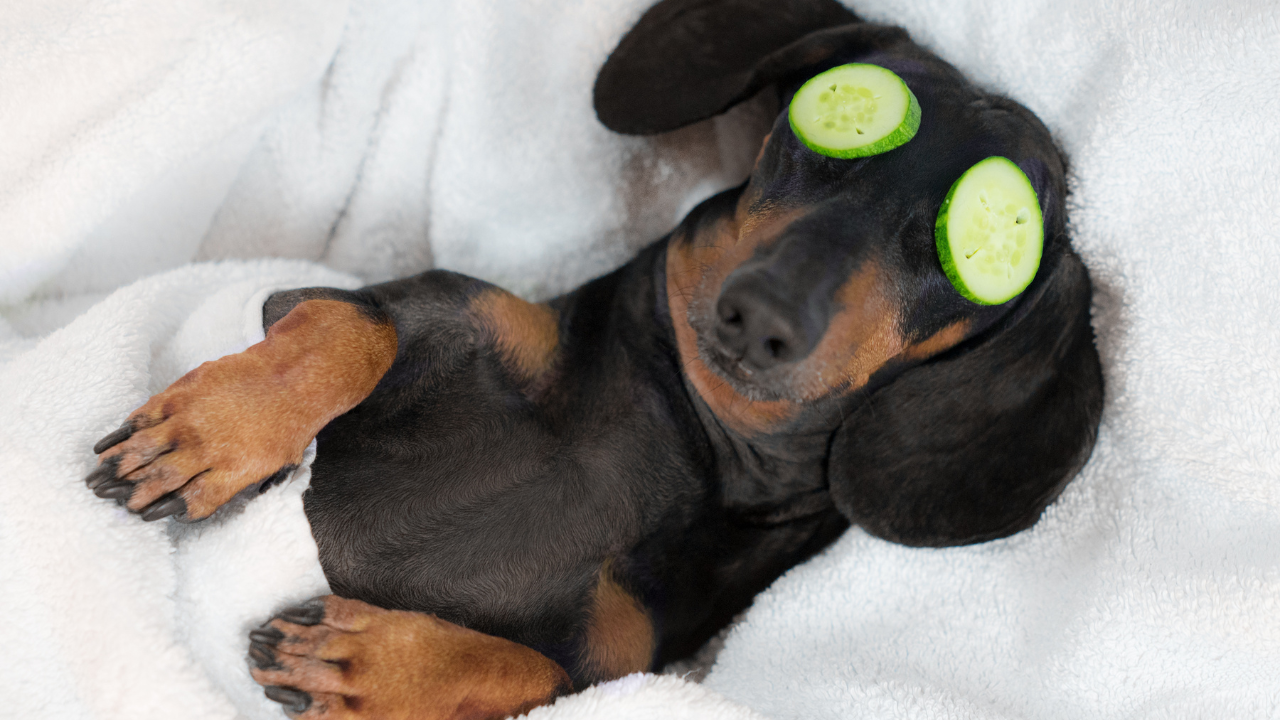
Most dogs can enjoy a spa day, but safety always comes first. Age, breed, health status, and temperament should guide your approach.
Puppies can benefit from gentle grooming sessions, but they should be short and focused on positive exposure rather than full treatments. Senior dogs may need extra support and softer handling, especially around joints and sensitive areas.
Dogs with medical conditions, skin infections, or recent surgeries should not undergo spa treatments without guidance. In such cases, veterinary care is necessary before introducing grooming routines. A veterinarian can advise which treatments are safe and which should be avoided.
Dogs that show fear or aggression during handling require patience. Learning how to approach a dog calmly and respectfully helps prevent stress and ensures safety for both the dog and the handler.
How to Prepare for Your Dog’s Spa Day
Preparation sets the tone for a successful dog spa at home. Choose a time when your dog is naturally calm, such as after a walk or play session. Avoid rushing, as dogs sense tension and respond to it.
Create a quiet, warm environment. Gather all supplies in advance so you never leave your dog unattended. Use non-slip mats in bathing areas to prevent slipping, especially for older dogs.
Before starting, spend a few minutes gently touching your dog’s paws, ears, and body. This helps them relax and prepares them for handling. Speak softly and offer reassurance throughout the process.
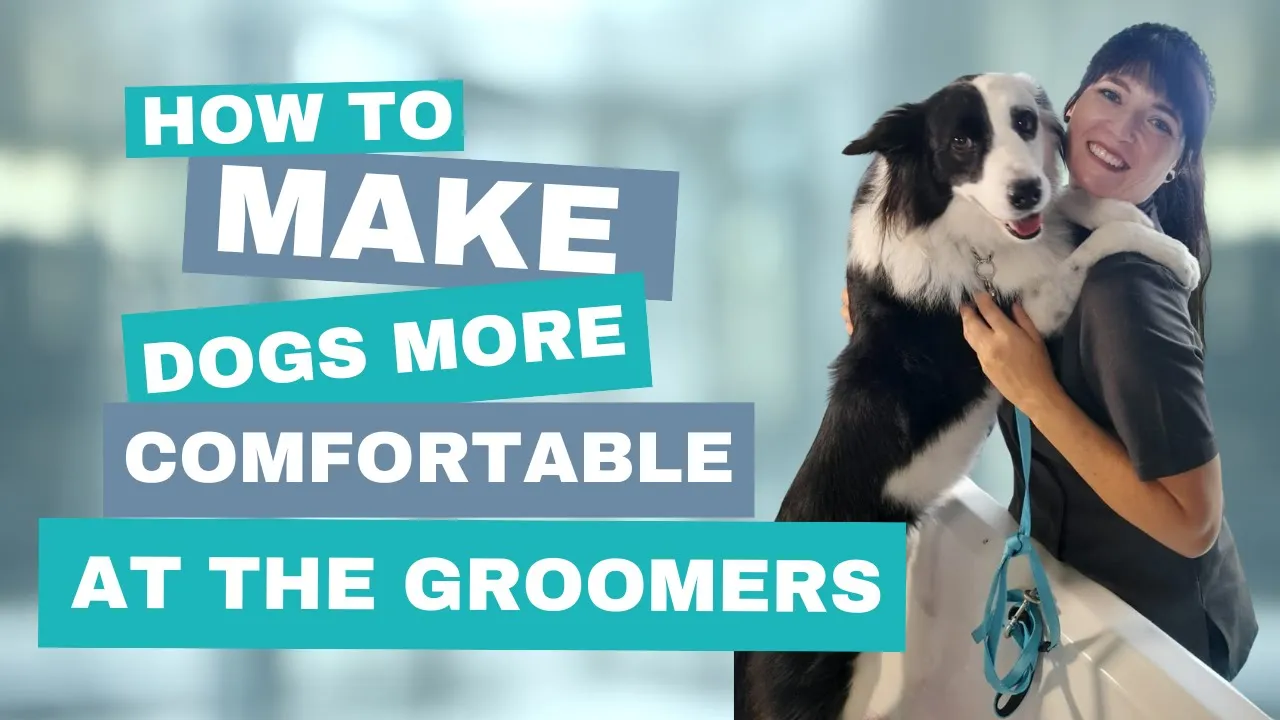
Help your dog love grooming day. Is your furry friend nervous about grooming sessions? Learn how to make your dog like grooming with our expert tips! Whether it's your dog's first time at groomers or you're looking to improve future visits, this video has everything you need to know about making dogs more comfortable at the groomers.
Essential Supplies for a DIY Doggy Spa Day
Having the right tools ensures safety and comfort during your doggy spa day.
Basic supplies include a dog-safe shampoo, conditioner if needed, towels, a brush suitable for your dog’s coat type, nail clippers or a grinder, cotton pads, and a gentle ear-cleaning solution approved for dogs.
Optional items include a soft rubber brush for massage, paw balm, and a low-heat dryer. Avoid human grooming products, as they can disrupt your dog’s skin balance.
Quality tools make grooming easier and reduce the risk of irritation or injury. Investing in proper supplies supports long-term coat and skin health.
Step-by-Step Guide to Giving Your Dog a Spa Day at Home
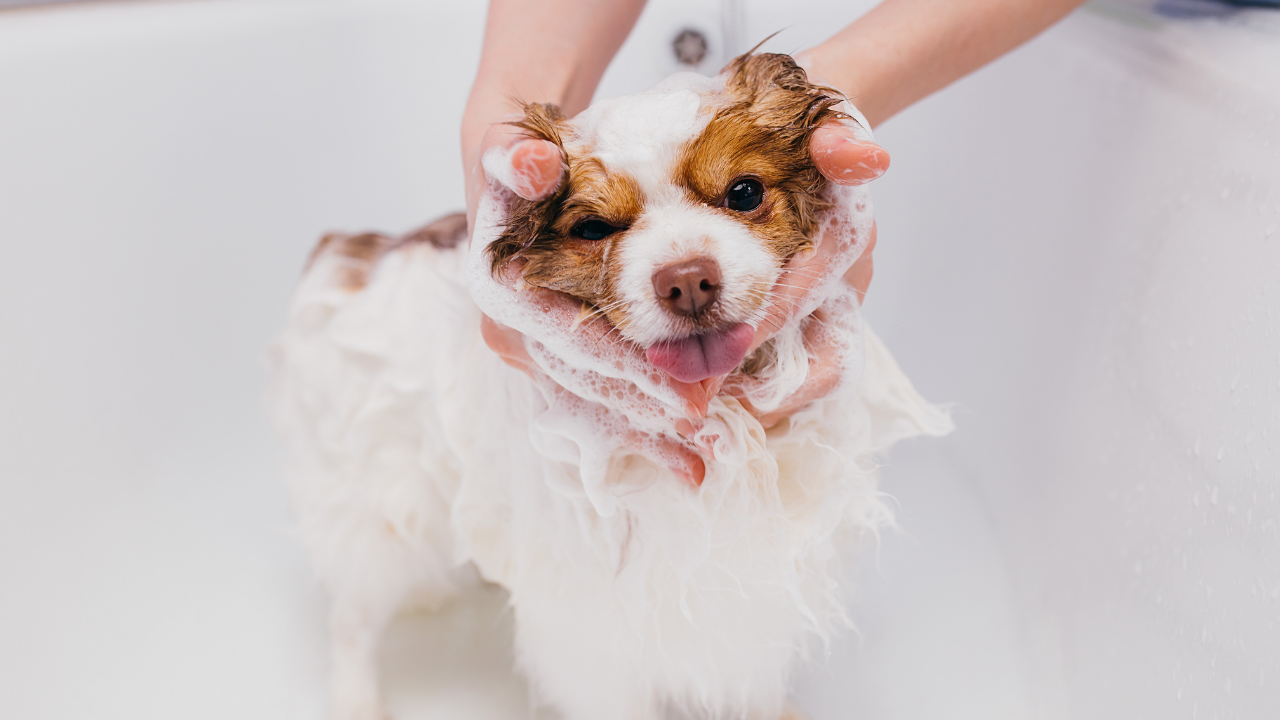
Knowing how to give your dog a spa day at home can turn grooming into a relaxing and enjoyable experience for both you and your pet. This step-by-step guide to giving your dog a spa day at home walks you through every stage, from setting the mood to finishing touches, ensuring your dog feels pampered and comfortable.
Step 1: Begin with Exercise
Before starting your dog spa day, make sure your dog has released excess energy. A short walk, light playtime, or gentle stretching helps calm their mind and body. Dogs that are slightly tired are more relaxed during grooming and less likely to resist handling.
Exercise also improves circulation, which enhances the benefits of dog spa treatments such as bathing and massage. Avoid intense activity that could leave your dog overly hot or exhausted. The goal is calm readiness, not fatigue.
Step 2: Set the Mood
Creating the right environment is essential for a successful doggy spa day. Choose a quiet, warm area free from sudden noises or distractions. Lay down a non-slip mat to help your dog feel secure, especially in bathing areas.
Speak in a calm tone and move slowly. Dogs respond strongly to energy and body language. Soft lighting and a steady routine help signal that this is a safe and relaxing experience, not something to fear.
Having all supplies ready before you begin prevents interruptions and keeps your dog comfortable throughout the process.
Step 3: Gentle Facial Cleanse
Facial care should always be gentle and brief. Use a soft, damp cloth to wipe around the eyes, muzzle, and folds of the face. Avoid soaps unless they are specifically formulated for use near a dog’s eyes.
This step helps remove dirt, tear stains, and food residue that can cause irritation if ignored. Be patient and reward calm behavior with praise.
Never force your dog’s head into position. If your dog becomes uncomfortable, pause and try again later. Trust and comfort are more important than completing every step perfectly.
Step 4: Head, Shoulder & Back Massage
A soothing dog spa massage is a wonderful way to end your dog’s spa day. It helps your dog relax, eases tension, and promotes healthy blood flow. Here’s how to do it safely and effectively.
Head Massage for Relaxation
Start your dog’s massage by focusing on the head. This is where many dogs hold stress, and gentle attention here sets a calm tone.
- Let your dog sit or stand in a comfortable position.
- Use your fingertips to make soft, circular motions along the top of the head, moving gently toward the neck.
- Maintain light pressure throughout; this is about comfort, not deep muscle work.
Pro Tip: Glide your thumbs lightly from the nose toward the forehead and over the top of the head. The slow, rhythmic motion can calm your dog and make them feel safe and cared for.
Shoulder & Back Massage
The shoulders and upper back carry most of your dog’s body weight, making them prime areas for tension relief.
- Have your dog sit or lie down comfortably.
- Use your fingertips to knead the shoulder muscles in small, circular motions.
- Move gradually down the back, keeping your strokes gentle and even.
Pro Tip: When massaging the back, start just behind the head and run your fingers along the sides of the spine, avoiding direct pressure on the bones. Use slow, steady movements to keep your dog calm and relaxed.
Step 5: Paw-fect Pedicure
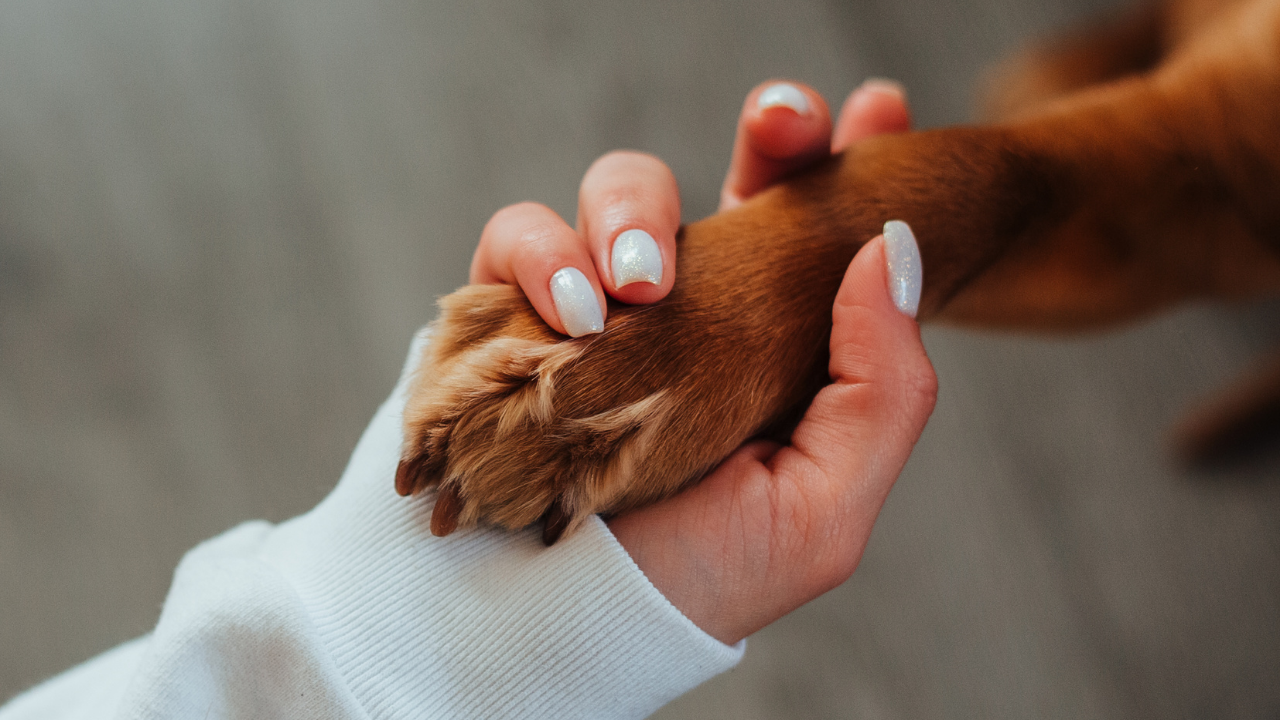
A proper pedicure is an important part of any dog spa day. Begin by gently inspecting each paw. Check for overgrown nails, cracks, or signs of irritation. Use a dog nail clipper or grinder to carefully trim the nails, avoiding the quick to prevent bleeding and discomfort.
If your dog is nervous, take breaks and offer reassurance. You can also file nails gently after clipping to smooth any sharp edges. For dogs with sensitive paws or dry pads, applying a small amount of dog-safe paw balm helps moisturize and protect them.
Pedicures not only maintain comfort but also prevent long-term joint strain and walking difficulties caused by overgrown nails.
Step 6: Luxurious Bath Time
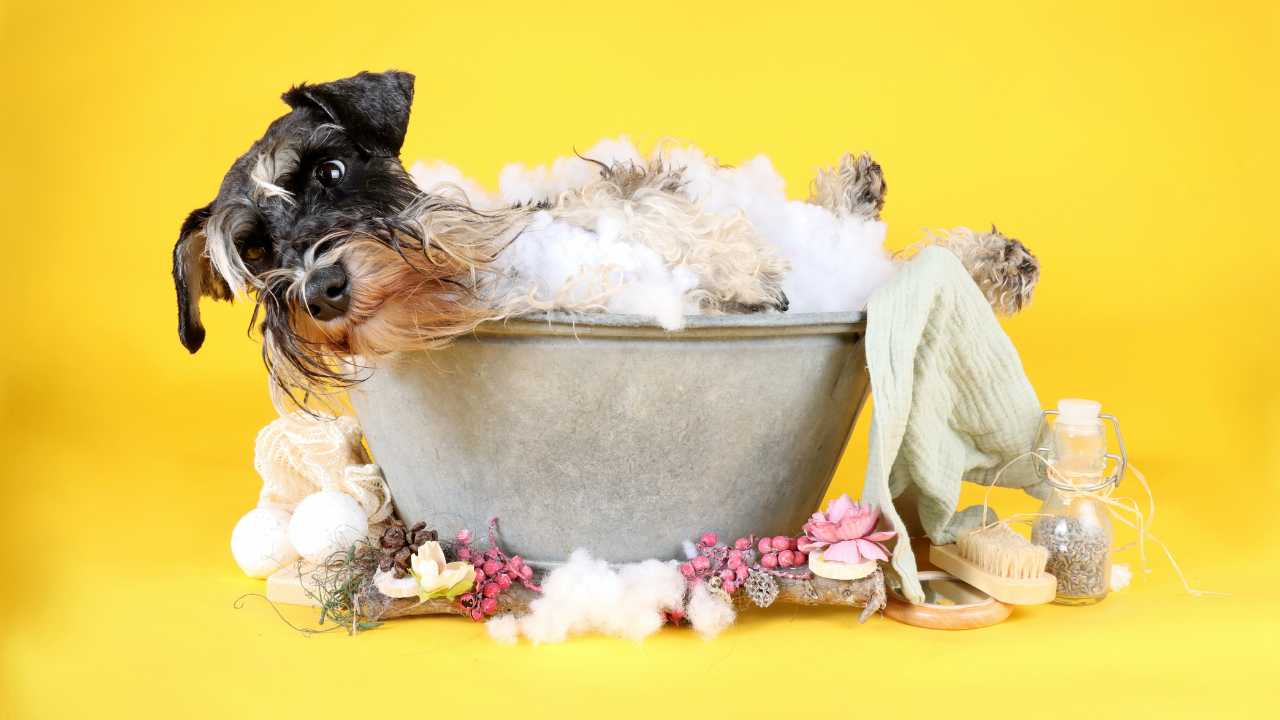
Bathing is the centerpiece of any dog spa day. Place cotton wool balls in the ears to reduce water from entering, as this may lead to an ear infection. Use lukewarm water and wet your dog slowly, starting from the neck and working downward. Avoid spraying water directly on the face or ears.
Apply a dog-safe shampoo and massage it gently into the coat using circular motions. This not only cleans the skin but also promotes relaxation and improves blood flow. Take extra care around sensitive areas such as the belly and underarms.
Rinse thoroughly. Leftover product can cause dryness and itching in dogs. If your dog has a thick or long coat, double-check that no residue remains near the skin.
Conditioner may be used if appropriate for your dog’s coat type, but it should always be rinsed completely.
Step 7: Drying & Brushing
After the bath, it’s important to dry a dog after a bath carefully. Start by gently pressing a towel against the coat to absorb water rather than rubbing vigorously, which can irritate sensitive skin of cause matting. If you use a dryer, set it to a low heat and low noise setting, and avoid pointing it directly at your dog’s face. Use a Happy Hoodie or place dry cotton wool balls in the ears to reduce the noise and protect the ears from the dryer.
Once mostly dry, brush your dog’s coat to remove loose hair, prevent tangles, and distribute natural oils, leaving the fur smooth, shiny, and healthy. Choose a brush suited to your dog’s coat type and work slowly to avoid pulling or discomfort. You can lightly mist the coat with a brushing spray to reduce hair breakage and to allow the brush to glide through the coat.
This stage should be calm and unhurried, creating a soothing experience for your dog. Many dogs actually enjoy brushing and drying when done gently, making it a perfect way to help them relax while finishing their spa day.
Finish with a Shine
The final step brings everything together. Light brushing, a soft finishing wipe, and a gentle touch help your dog fully relax. This is also the ideal time for a short dog spa massage focusing on the neck, shoulders, and back.
Massage encourages relaxation, eases muscle tension, and strengthens the bond between you and your dog. Keep pressure light and movements slow.
End the spa session with praise or a healthy treat so your dog associates spa days with positive outcomes. Over time, your dog will begin to look forward to this routine.
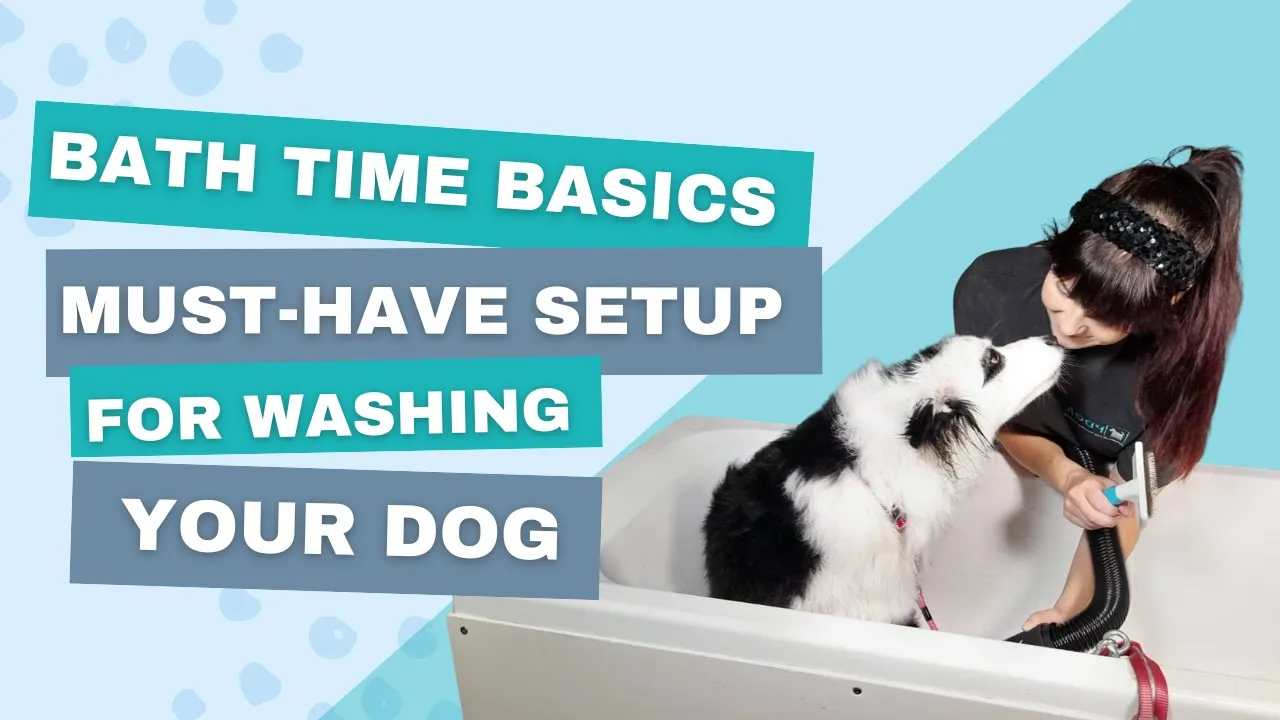
In this comprehensive video guide, we'll teach you the dog bath time basics that professional groomers use to make bath time stress-free and effective for dogs of all sizes and temperaments.
How Often Should You Give Your Dog a Spa Day?
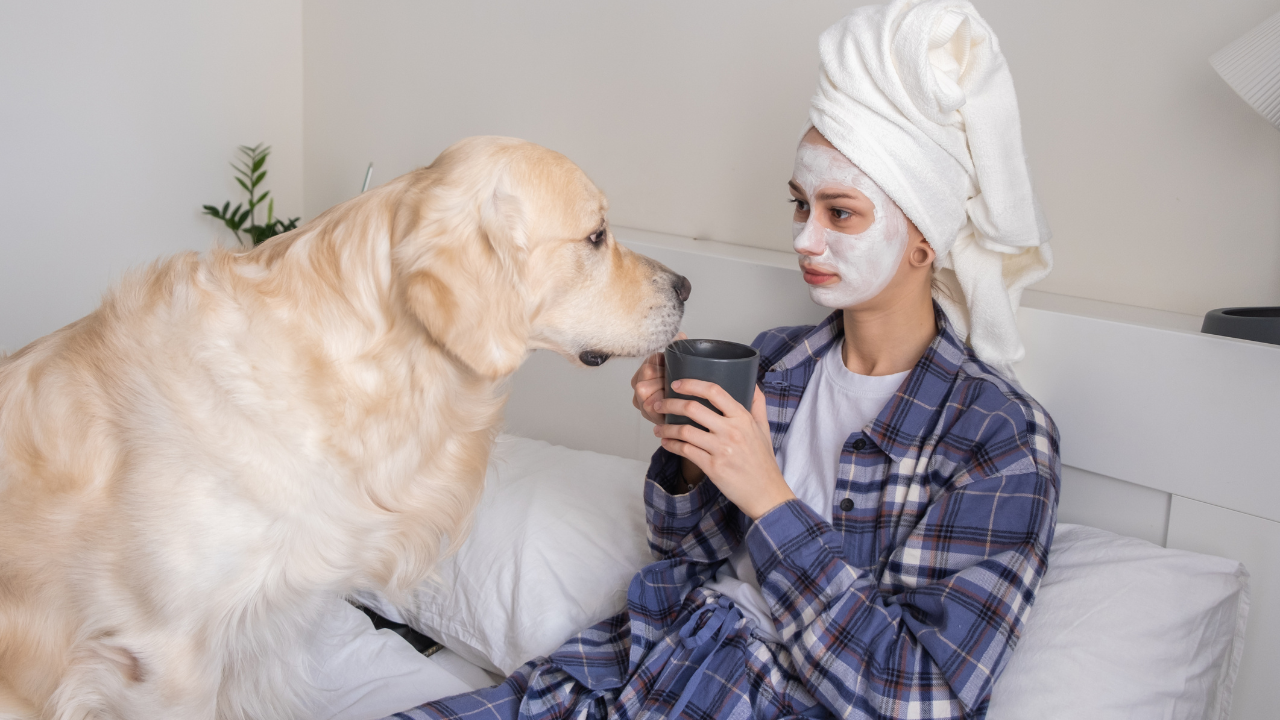
The frequency of spa days depends on your dog’s breed, lifestyle, and skin condition. Most dogs benefit from a full spa routine every four to six weeks.
Dogs with long coats, active outdoor habits, or skin sensitivities may need more frequent care. Short-haired breeds often require less intensive grooming but still benefit from regular brushing and occasional baths.
Between spa days, maintain hygiene with regular grooming practices such as brushing, paw checks, nail maintenance and ear inspection. Simple routines prevent buildup and reduce the need for frequent baths.
For busy owners, incorporating quick dog grooming tips into daily routines helps maintain cleanliness without stress.
When to Consider Professional Dog Spa Services
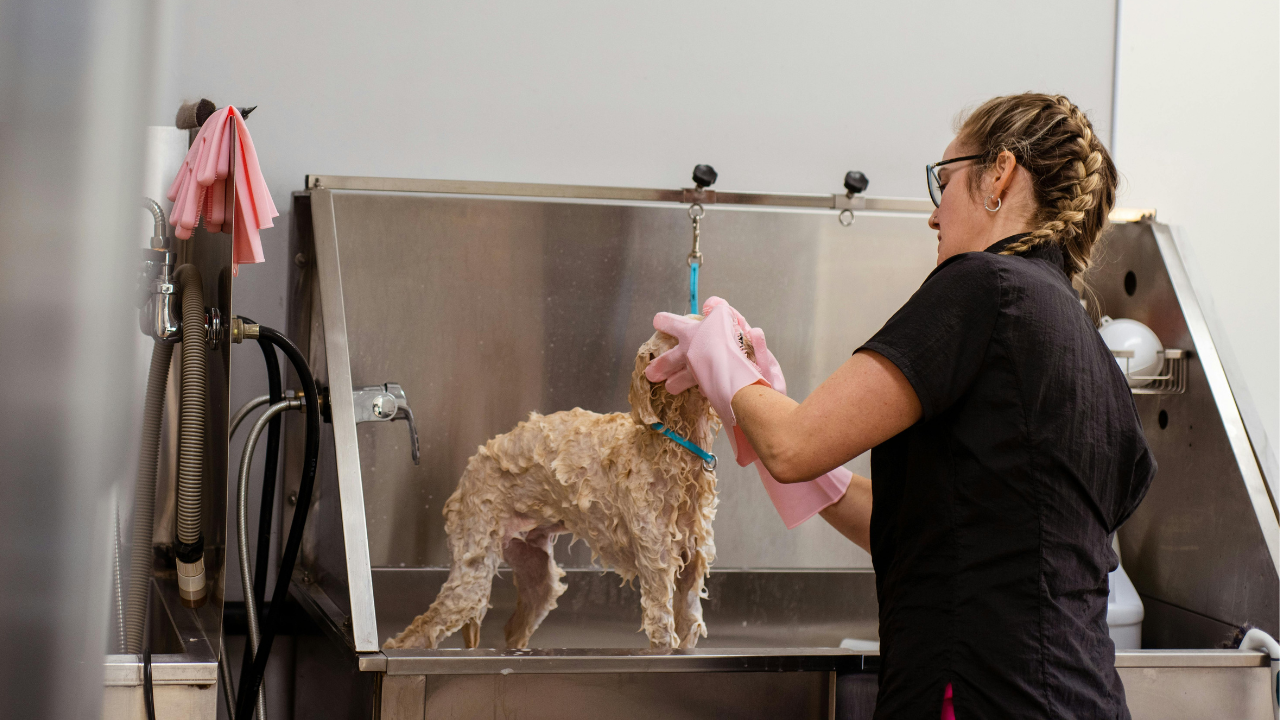
While giving your dog a spa day at home can be enjoyable, there are times when professional services are the safer or more efficient choice. Dogs with thick coats, sensitive skin, or behavioral challenges may benefit from trained groomers who can provide baths, massages, nail trims, and ear care safely and effectively. Professionals have the experience and tools to handle all breeds comfortably.
However, professional services aren’t always practical for regular care. If you want to provide consistent spa treatments at home, PDGA’s dog grooming courses are a perfect solution. These courses teach you step-by-step techniques for bathing, brushing, paw care, and gentle massage, ensuring your dog enjoys a stress-free spa day. You’ll also learn to handle common skin issues and maintain your dog’s overall comfort and coat health.
With guidance from the Professional Dog Grooming Academy, you can confidently give your dog a spa experience at home, combining professional knowledge with convenience. This way, your dog stays happy, healthy, and pampered all year round.
Final Thoughts
A dog spa day is not about luxury. It is about care, comfort, and connection. Learning how to give your dog a spa day thoughtfully ensures that your dog’s physical health, emotional well-being, and trust in you are all supported.
Whether you choose a full dog spa at home or occasional visits to a professional, consistency and gentleness matter most. Pay attention to your dog’s signals, adapt to their needs, and keep the experience positive.
By making spa care part of your routine, you invest in your dog’s long-term happiness and health. A calm, clean, and comfortable dog is not just well-groomed. They are cared for in the way every dog deserves.