What Is a Puppy Cut? Learn How Groomers Create This Popular Style
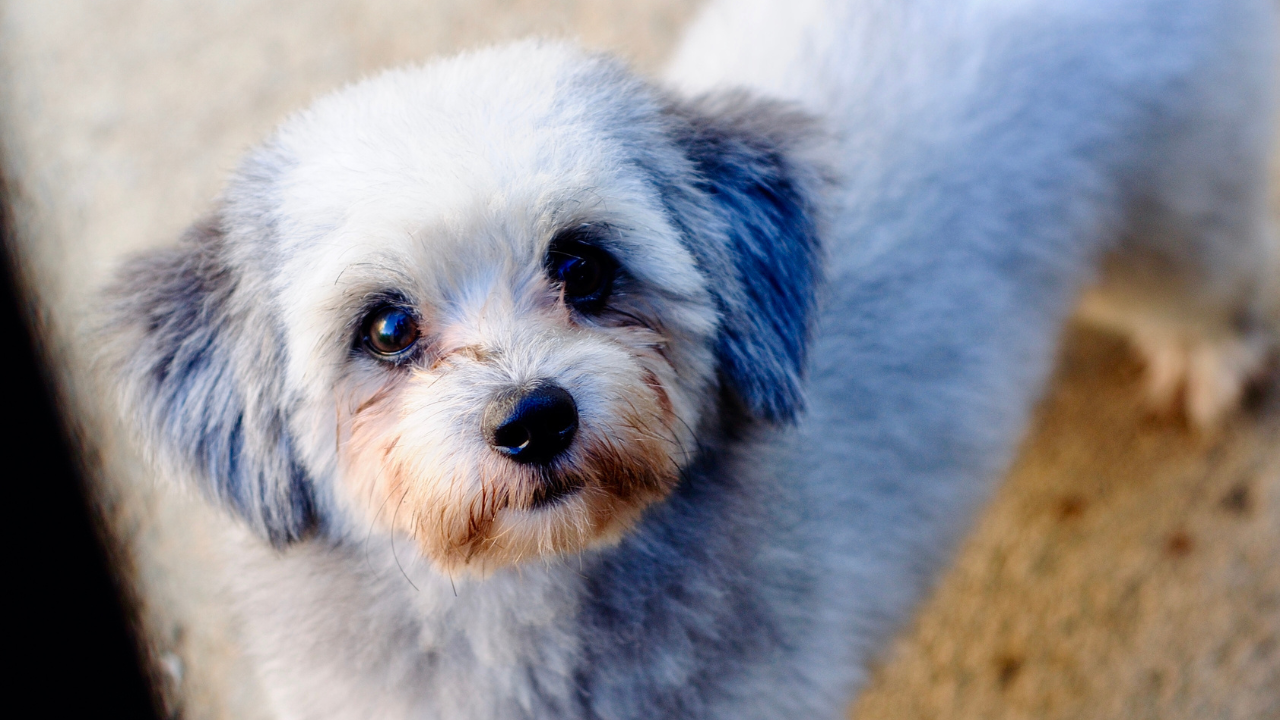
A puppy cut keeps a pet’s coat tidy and manageable while preserving a soft, youthful appearance. Yet two dogs booked for this service can leave the salon looking quite different. The reason is simple: the name does not describe one fixed haircut.
Coat texture, length and facial shaping all affect the result. Understanding these details helps owners explain their preferences and gives groomers a starting point for creating a comfortable, practical style.
What Is a Puppy Cut?
A puppy cut generally means trimming the coat to a manageable, fairly even length while keeping a soft appearance. It is popular for pets whose coats need regular clipping or scissoring.
Despite the name, it is not only for puppies. Adult dogs can wear this style throughout their lives.
So, what’s a puppy cut in terms of length? There is no universal measurement. Some salons may suggest around half an inch; others may leave an inch or more. The face, ears and tail may stay longer.
The term also differs from the formal puppy trim used for show Poodles. That style follows specific presentation rules. An everyday pet puppy cut is more flexible.
What Does a Puppy Cut Look Like?
A typical puppy cut has a neat body, softly shaped legs and a tidy face. The overall outline looks balanced, without dramatic differences between short and long areas.
However, coat texture changes the result. A Poodle’s curls can create a plush finish, while a Yorkshire Terrier’s straight hair falls closer to the body. Identical lengths will not produce identical shapes.
Facial styling makes another noticeable difference. Rounded cheeks and a fuller muzzle create a softer expression. Shorter facial hair can make everyday cleaning easier.
Reference photos help, especially when they show a dog with similar hair. The groomer should still explain which details are realistic for the individual coat.
Puppy Cut vs Other Popular Dog Haircuts
Haircut names often overlap between salons. The useful comparison is how much coat remains and where the groomer creates shape.

A teddy bear cut and puppy cut may describe almost the same service in one salon. Elsewhere, they may look quite different.
Neither name guarantees a particular blade, length or maintenance schedule. A photograph and a clear discussion are more useful than the label alone.
Which Dogs Are Suitable for a Puppy Cut?
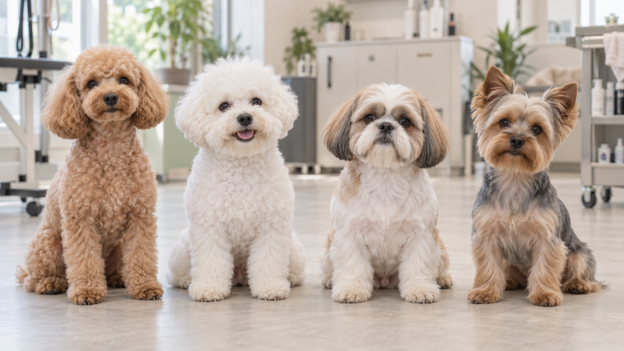
Puppy cuts commonly suit Poodles, Bichon Frises, Shih Tzus, Maltese, Yorkshire Terriers and many Poodle crosses. These dogs often have coats that benefit from regular trimming.
Suitability still depends on the individual. Crossbreeds can inherit very different textures, even within the same litter.
Dense-shedding, double-coated breeds, such as Huskies and Golden Retrievers, require a different approach to grooming. Their coats should not be clipped unless it is necessary for a medical procedure or recommended by a veterinarian. Clipping a double-coated breed may disrupt normal coat regrowth and, in some cases, contribute to post-clipping alopecia, where the coat grows back abnormally or fails to regrow as expected. Regular brushing, thorough undercoat removal and selective tidying are generally better options for maintaining the coat’s condition and appearance.
Wire-coated dogs also deserve separate consideration. For owners hoping to preserve a traditional wiry finish, hand stripping may be more appropriate than clipping.
For an actual puppy, the first appointment may focus on gentle handling, bathing and small tidy-ups rather than a complete haircut.
Benefits of Choosing a Puppy Cut for Dogs
For a suitable coat, a manageable trim can make everyday care less demanding. The biggest benefits are practical:
- Easier brushing: Shorter hair usually takes less time to work through.
- Simpler cleaning: Neatly trimmed feet and facial hair can collect less dirt and food.
- Fewer opportunities for tangles: Reduced length can help when regular brushing continues.
- Flexible styling: Groomers can adapt the finish to the dog’s routine and the owner’s preferences.
There are limits. A puppy cut does not stop natural shedding or make a dog maintenance-free. Longer ears, tails, and legs can still develop mats.
The most useful length is one the owner can comfortably maintain between appointments.
How Often Does a Dog Puppy Cut Need Maintenance?
A dog puppy cut often needs professional maintenance approximately every four to eight weeks. This is a starting point, not a rule. Coat growth, retained length, and home care determine the right interval.
A fuller trim may need earlier attention. Dogs with curly coats or areas that tangle easily can also need frequent brushing between visits.
Owners should check behind the ears, beneath the collar, around the armpits and along the legs. These friction points often knot before the body looks untidy.
A suitable slicker brush can help separate the hair. A comb then checks whether tangles remain beneath the surface.
If brushing becomes uncomfortable or the comb repeatedly catches, the grooming schedule or haircut length needs adjusting.
How Groomers Create a Puppy Cut Step by Step
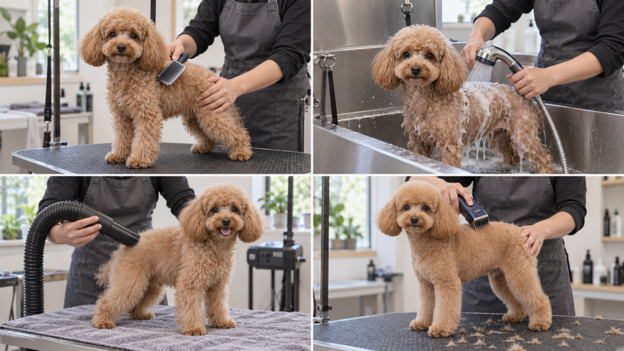
A smooth finish starts before the clippers touch the coat. Preparation affects both the appearance and the dog’s comfort.
- Assess the dog and agree on the finish.
The groomer checks coat texture, tangles, skin condition and tolerance for handling. The owner and groomer agree on body length, face shape, ear length and tail styling. Any limitations should be discussed before work begins. - Prepare the coat and address matting.
Loose tangles may be gently brushed out when this is comfortable. Tight matting can require a shorter clip before bathing. Pulling through painful mats to preserve a fluffy appearance is not an acceptable trade-off. Scissors should never be pushed beneath mats close to the skin. - Bathe with suitable products.
The groomer selects a dog-appropriate shampoo for the coat and skin, then rinses thoroughly. Product choice matters more than a strong fragrance. The guide, What Shampoo Do Dog Groomers Use?, explains product choices for different coats. - Dry and prepare the hair for clipping.
Clean hair needs careful drying before the finishing clip. Groomers adjust airflow and temperature to the dog’s comfort, avoiding excessive heat. Understanding how to dry a dog after a bath helps explain why preparation changes the finished result. - Clip the body to the agreed length.
The groomer selects a suitable blade or attachment comb and works methodically. The grooming blade length and chart guide helps explain these measurements. Coat texture, preparation and clipping direction also affect how much hair remains. Blade temperature needs regular checking. - Shape and check the finish.
Scissor work blends transitions and tidies the legs, feet and face. Learning to pick the right dog grooming scissors supports controlled finishing. Finally, the groomer checks balance, combs through the coat and explains home maintenance. Breaks take priority whenever the dog needs them.
Common Mistakes Owners Make When Asking for a Puppy Cut
The most common mistake is assuming the name explains everything. “Short, but still fluffy” can mean very different lengths to different people.
Other misunderstandings include:
- Choosing a reference photo with a completely different coat texture.
- Requesting long legs without allowing for additional brushing.
- Expecting a matted coat to retain its original length.
- Assuming an adult dog cannot have a puppy cut.
A more useful request specifies the body length, facial shape and any areas to keep fuller. For example, an owner might request a half-inch body with rounded cheeks and shorter ears, subject to the groomer’s coat assessment.
The groomer can then explain what is achievable and record those preferences for future appointments. This makes repeat visits more consistent.
How Professional Grooming Helps Improve Groomer Skills
A simple-looking puppy cut calls for judgement. Groomers need to assess coats, prepare hair properly, control tools and recognise when a dog needs a pause.
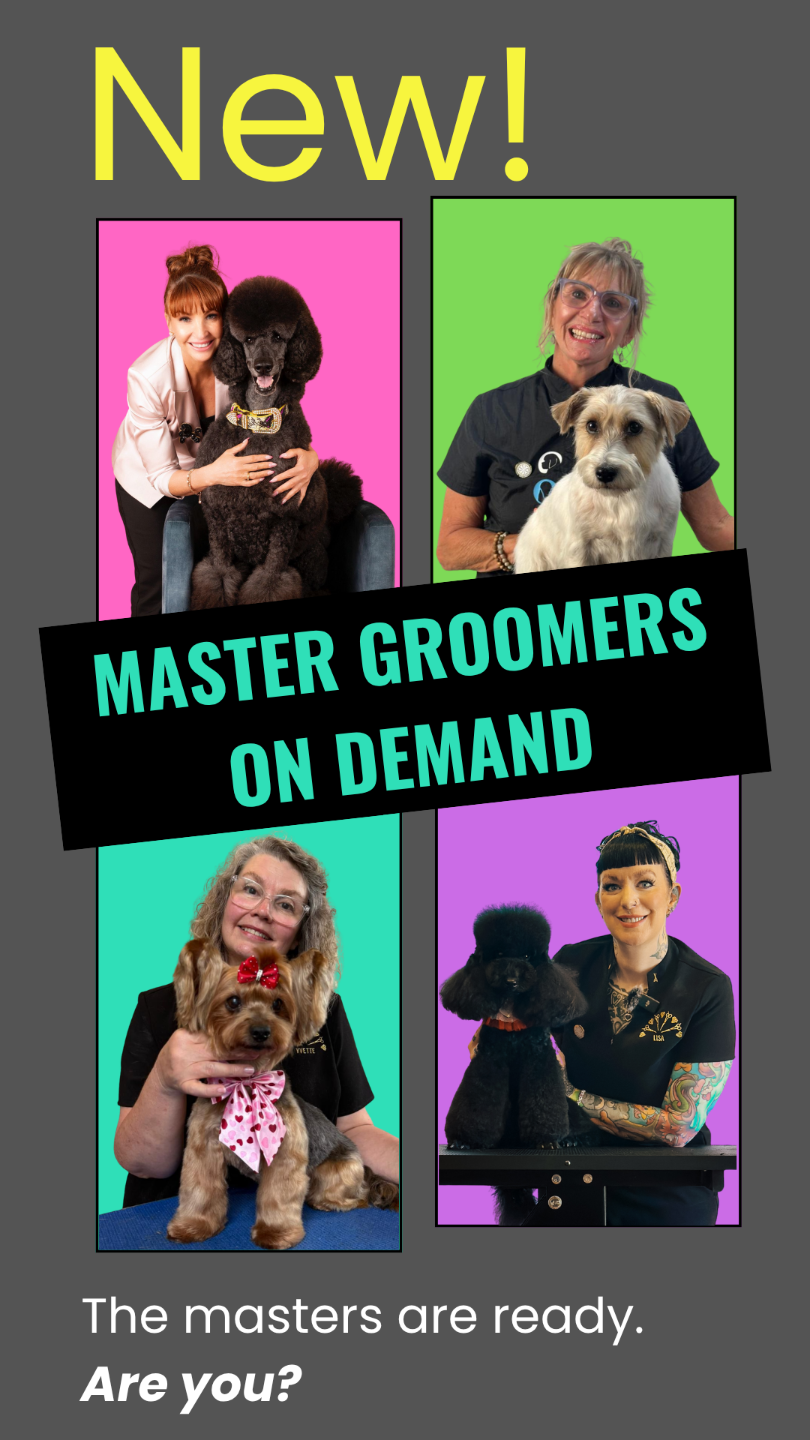
PDGA is a distance learning dog grooming education academy. Structured training helps learners understand how preparation, handling and styling decisions work together.
For those starting out, Basic grooming for dogs for beginners introduces handling, tool selection and coat preparation. These skills provide a foundation before more demanding styling work.
The Level 3 dog grooming course is PDGA’s professional training course, offering a further study option for learners developing their grooming skills.
Study needs practical application. Repeated, careful work with appropriate feedback helps develop consistent clipping, balanced scissoring and better decisions about each dog’s comfort. A tidy finish matters, but the ability to adapt the groom to the dog matters just as much.
Conclusion
A puppy cut is a flexible pet hairstyle, with the details shaped around coat type, condition and everyday care. The name starts the conversation; it does not replace one.
A successful dog puppy cut combines an agreed length, thoughtful preparation and comfortable handling. With regular brushing and suitable appointments, that soft, tidy finish becomes easier to maintain.