Black Toenails in Dogs: Why They Happen and How to Cut Them
If you have ever looked down at your dog's paws and wondered why some or all of their toenails are black, you are not alone. Black dog toenails are one of the most common concerns owners raise during grooming appointments, and they come with a very practical problem attached: unlike pale or white nails, black toenails do not show the quick, which makes trimming them feel like guesswork for anyone who has not done it before.
This guide covers why dogs have black toenails, what it means when a dog's toenail turns black unexpectedly, and exactly how to cut a dog's black toenails safely without hitting the quick.
Why Do Dogs Have Black Toenails?
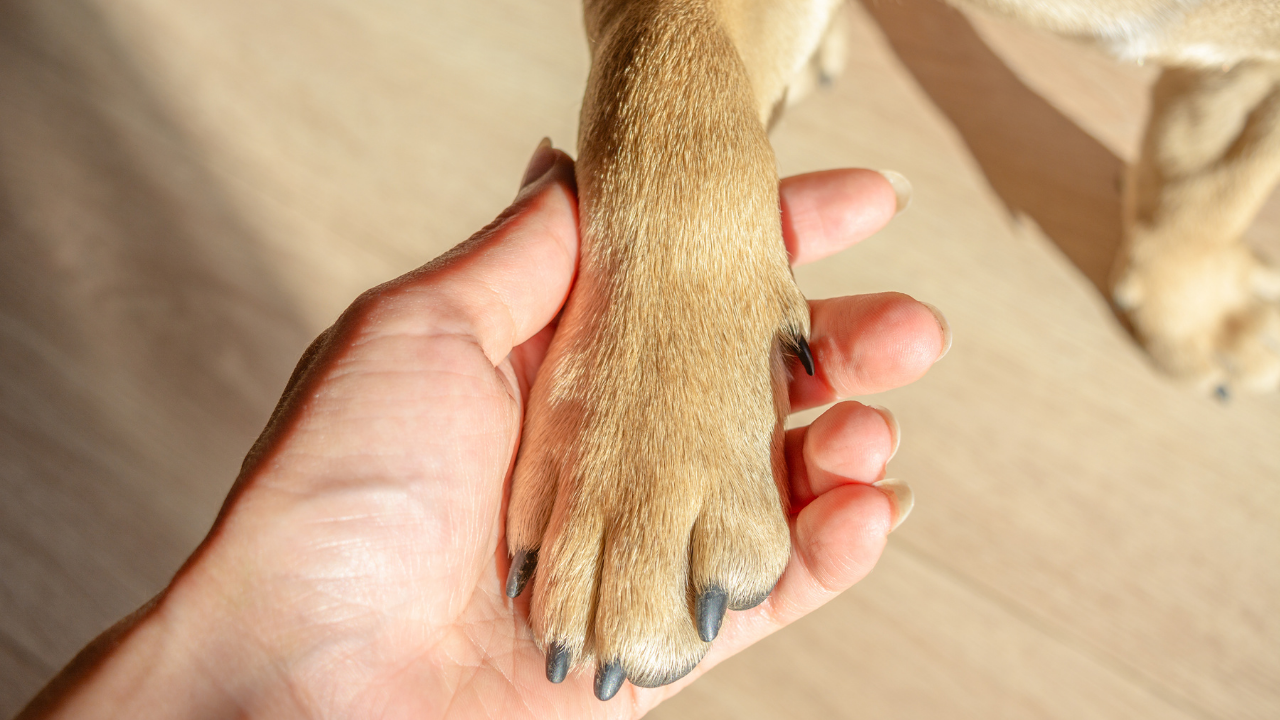
Black toenails in dogs are almost always the result of pigmentation, the same biological process that determines coat and skin colour. Dogs with darker pigmentation in their skin and coat tend to have darker nails, while dogs with lighter colouring often have pale, pink, or white nails. Many dogs have a mix of both, with some nails black and others clear, usually corresponding to where darker and lighter fur meets at the paw.
Breed plays a significant role here. Breeds like Labrador Retrievers, Rottweilers, Dobermanns, and many terrier varieties commonly have fully black dog toenails across all four paws. Mixed-breed dogs can carry pigmentation from multiple parent breeds, which sometimes produces an unpredictable mix of nail colours even across a single paw.
Black toenails caused by pigmentation are entirely normal and require no concern beyond the practical challenge of trimming them safely.
When a Dog's Toenail Turns Black: What It Actually Means
Pigmentation explains black nails that have always been black. But what about a dog's toenail that turns black when it was previously a different colour, or a nail that develops dark discolouration in a specific area?
A dog toe nail that changes colour or develops new dark patches can signal several different things, and it is worth understanding the difference.
Trauma and Bruising
A nail that turns black after an injury has typically experienced bleeding beneath the nail plate, similar to the way a human fingernail darkens after being caught or crushed. This kind of discolouration usually appears in one nail rather than several, and the dog may show signs of discomfort when the affected paw is handled. If the nail remains intact and the dog is not limping or licking the area persistently, the nail typically grows out normally over several weeks.
Fungal Infection
Fungal infections affecting the nail bed can cause darkening, brittleness, and crumbling at the nail tip. A dog toe nail affected by fungal infection often looks different in texture as well as colour, appearing thicker, chalky, or misshapen compared to the surrounding nails. Fungal nail infections require veterinary treatment rather than home management, so any nail that looks structurally abnormal alongside its colour change warrants a vet visit.
Bacterial Infection or Paronychia
Paronychia is an infection of the tissue surrounding the nail. It can cause swelling, discharge, and discolouration at the nail base. Dogs with paronychia often lick at the affected paw repeatedly and show sensitivity when the area is touched. This condition also requires veterinary attention.
Normal Ageing
In older dogs, nails sometimes darken gradually as part of the natural ageing process. This type of discolouration develops slowly across multiple nails rather than suddenly in one spot, and it is not accompanied by any other symptoms.
If a dog's toenail turns black suddenly, affects one nail only, or comes with any signs of pain, swelling, or discharge, a vet check is always the right first step before attempting any trimming at home.
Why Black Dog Toenails Are Harder to Trim
Trimming pale or white dog toenails is relatively straightforward because the quick, the living inner part of the nail containing blood vessels and nerve endings, is visible through the nail as a pink shadow. This gives a clear visual guide for where to cut safely.
Black dog toenails show no such guide. The nail is opaque from tip to base, which means the quick is completely hidden. Cutting too far into a black nail hits the quick without any visual warning, causing pain and bleeding. Cutting too conservatively leaves the nail too long, which affects the dog's posture and gait over time and makes each subsequent trim more difficult because the quick grows forward with the nail.
This is why learning to cut a dog's black toenails correctly is one of the skills that makes a genuine difference to both the dog's comfort and the owner's confidence during at-home grooming.
Tools You Need Before You Start
Getting the right equipment in place before trimming makes the process safer and more comfortable for both dog and owner.
- Sharp, Correctly Sized Nail Clippers: Blunt clippers crush rather than cut cleanly, which increases the chance of splitting the nail and causing discomfort. Scissor-style clippers work best on most breeds.
- Styptic Powder or Pencil: Essential for stopping bleeding quickly if the quick is nicked. Cornflour works as an emergency alternative.
- A Good Light Source: Trimming in strong natural light or with a torch helps identify the subtle visual cues inside a black nail.
- High-Value Treats: Keeping the dog calm and associating nail trimming with positive outcomes reduces resistance over time and makes each session easier than the last.
How to Cut a Dog's Black Toenails Step by Step
Step 1: Position the Dog Correctly
Place the dog on a non-slip surface at a comfortable working height. Small dogs can sit on a table. Larger dogs often do better lying on their side on the floor. The goal is a position where the dog feels secure and you have clear access to each paw without straining. Keeping dogs calm and cooperative during nail trimming is closely connected to how groomers keep dogs still while grooming, and the same principles apply at home.
Step 2: Hold the Paw Firmly but Gently
Cup the paw in your non-dominant hand with your thumb on the pad and your fingers over the top of the foot. Extend one nail at a time by gently pressing the pad. Avoid gripping tightly, as tension in your hand communicates anxiety to the dog.
Step 3: Trim in Small Increments
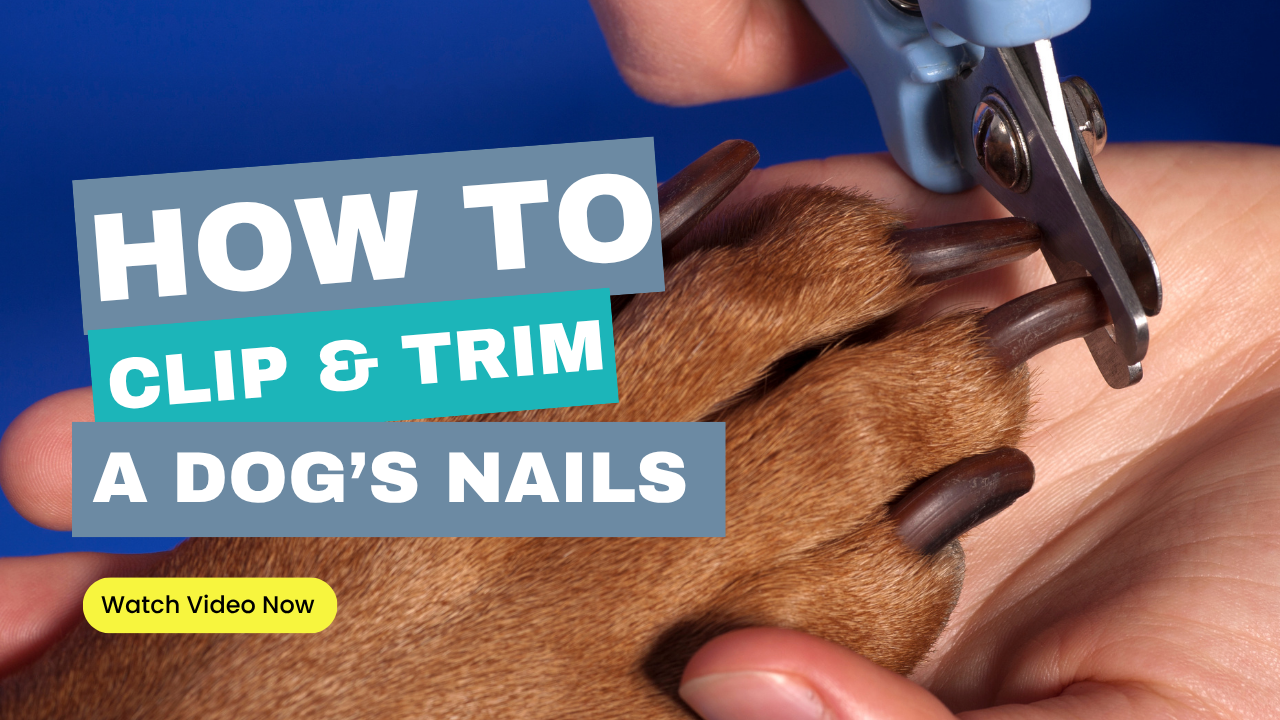
Rather than making one cut across the full nail, take small slices off the tip, removing just two to three millimetres at a time. After each cut, look directly at the cut surface of the nail from the front.
Step 4: Watch for the Grey or Pink Centre
In a black dog toenail, the cross-section of the nail changes appearance as you approach the quick. The outer part of the nail looks dry and crumbly when cut. As you get closer to the quick, the centre of the cut surface develops a small grey, beige, or pale pink dot. That dot is the first sign of the quick. Stop cutting the moment it appears. The quick is now very close, and one more slice risks nicking it.
This incremental method is the most reliable approach for cutting a dog's black toenails safely and is the same technique professional groomers use on every visit.
What to Do If You Cut the Quick
Cutting the quick happens even to experienced groomers. The nail bleeds immediately, and the dog typically pulls the paw back in response. Stay calm, as your reaction directly influences how the dog responds.
Apply styptic powder directly to the bleeding tip and hold light pressure for thirty to sixty seconds. The bleeding stops quickly in most cases. Give the dog a treat, take a short break, and continue with the remaining nails once the dog has settled. Avoid washing the paw for several hours after nicking the quick to allow the clotting to hold.
One nick does not mean nail trimming at home is not possible. It means adjusting the cutting point slightly further from the tip on the remaining nails and building more experience over time.
How Often Should You Trim Black Dog Toenails?
The right frequency depends on the dog's activity level and the surfaces it walks on regularly. Dogs that walk daily on concrete and pavement wear their nails down naturally and may need trimming every three to four weeks. Dogs that walk primarily on grass or soft ground do not wear nails down naturally and often need trimming every two to three weeks.
The practical test is sound. Nails that click consistently on hard floors have grown past a comfortable length. Nails that sit just at or above floor level when the dog stands are at an appropriate length. Left unchecked, black toenails that grow too long curl and press into the paw pad, creating the kind of discomfort and structural damage detailed in this guide to overgrown dog nails.
Staying on top of what to watch for between your dog's grooming appointments includes nail length checks as a standard part of weekly at-home care, catching overgrowth before it becomes a problem.
Tips to Make Nail Trimming Less Stressful for Your Dog
Dogs that resist nail trimming have almost always had a negative experience at some point, or they have never been properly desensitised to the process. Building tolerance gradually is far more effective than forcing through a difficult session.
Practical steps that help:
- Handle paws daily from puppyhood, touching each nail individually without cutting, so the sensation becomes familiar and non-threatening
- Introduce the clippers gradually, letting the dog sniff them and rewarding calm behaviour before any cutting begins
- Keep sessions short and positive, trimming one or two nails at a time if the dog is anxious rather than pushing through all four paws in one go
- Always end on a positive note with a treat, regardless of how many nails were trimmed
When to Let a Professional Groomer Handle It
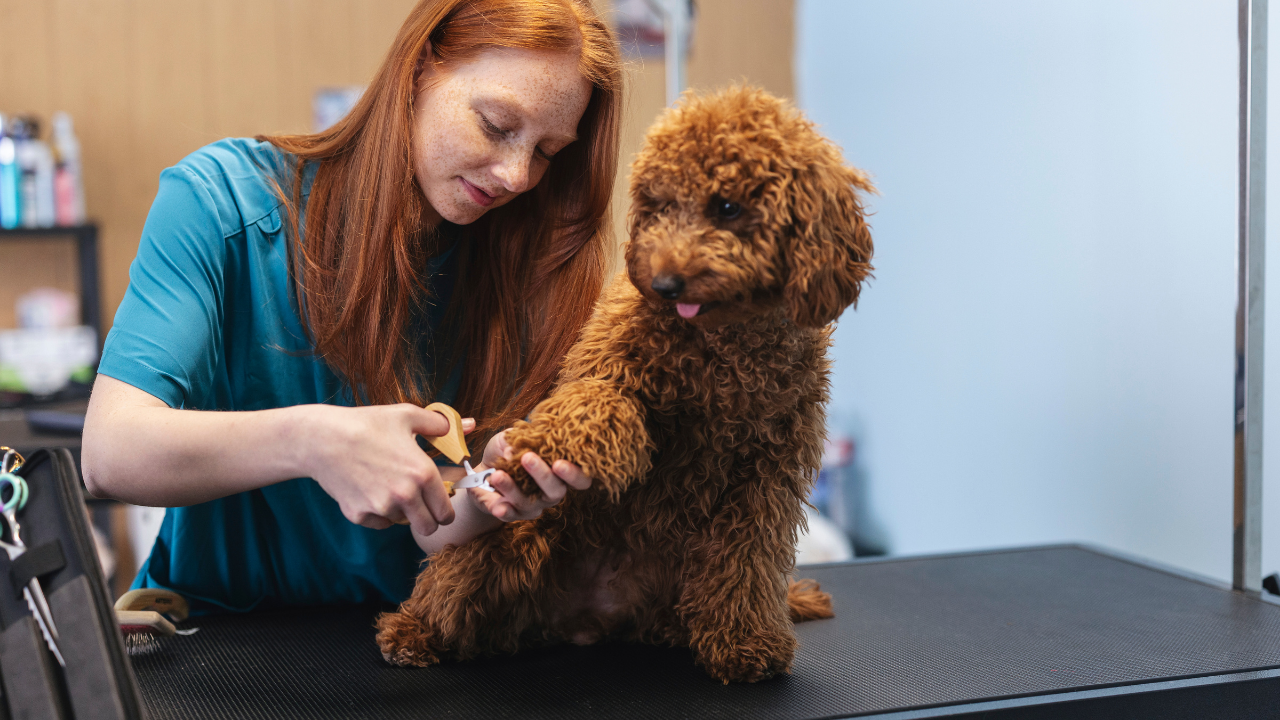
Some dogs resist nail trimming at home regardless of how carefully the process is approached, and some owners simply do not feel confident working on black toenails without visual guidance. Both situations are entirely valid reasons to hand nail care over to a professional groomer.
Professional groomers trim black dog toenails routinely and develop the visual recognition for the quick's proximity through experience across hundreds of dogs. A groomer who has completed thorough professional training understands not only the technical aspect of nail trimming but also how to handle dogs that are nervous or resistant during the process.
Being aware of the common safety hazards in dog grooming helps both owners and groomers approach nail trimming with the care and preparation the task genuinely requires.
For owners who want to develop their own skills and confidence in dog nail care and general at-home grooming, the Professional Dog Grooming Academy offers grooming toolkits and resources designed to support owners as well as professionals. Groomers looking to build comprehensive nail care and handling skills as part of a full professional qualification can explore the Dog Groomer Assistant Course and the Advanced Dog Grooming Course, both of which cover safe handling, nail trimming technique, and canine behaviour as core components of professional grooming training.
Final Thoughts
Black toenails in dogs are normal, common, and entirely manageable once you understand the anatomy behind them and the technique that makes trimming safe. The key is patience, the right tools, and a consistent approach that builds the dog's tolerance over time alongside your own confidence.
Whether you trim at home or leave it to a professional, regular nail care is one of the most important and most overlooked aspects of a dog's ongoing health and comfort. Nails that are kept at the right length support healthy posture, comfortable movement, and a dog that arrives at every grooming appointment in far better condition than one whose nails have been left too long between trims,