How to Get Plaque Off Dog Teeth?
Dental health is an essential part of overall well-being for dogs. Just like humans, dogs can develop plaque and tartar on their teeth, which, if left untreated, can lead to gum disease, tooth decay, and even systemic health issues. Pet owners often wonder how to get plaque off their dog's teeth and what strategies can help maintain a healthy mouth.
Taking the right steps to manage plaque not only prevents discomfort and disease but also improves your dog’s quality of life. From daily brushing a dog's teeth to professional care, this guide will provide expert advice on how to get plaque off a dog's teeth.
What is Plaque, and Why Does It Form
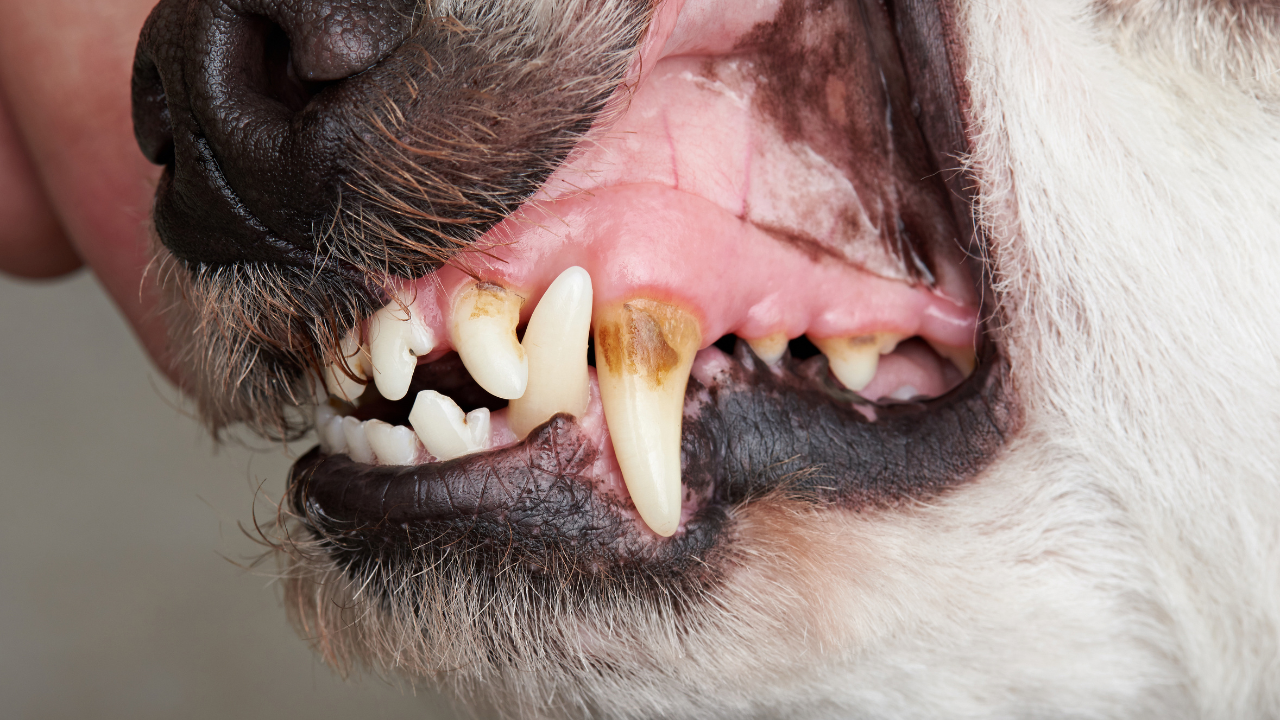
The plaque on your dog's teeth is a soft, sticky film that adheres to its teeth. The main components are bacteria, food particles, and saliva. Over time, if plaque is not removed, it can harden into tartar, which is much more difficult to remove and often requires professional cleaning.
Plaque forms naturally when bacteria in the mouth combine with food residues. This bacterial layer releases acids that attack the teeth, leading to enamel erosion, gum inflammation, and even tooth loss. Unlike humans, dogs cannot rinse their mouths effectively, which means plaque can accumulate quickly if proper care is not taken.
Understanding why plaque forms is crucial because it helps dog owners prevent dental problems before they escalate. Factors like diet, age, breed, and oral hygiene habits all influence how quickly plaque develops.
How Plaque Affects Your Dog’s Oral Health
Plaque impacts your dog’s oral health in multiple ways. First, it leads to gum inflammation, known as gingivitis. Signs include red or swollen gums and bleeding while eating.
Next, plaque contributes to tartar formation. Tartar is a hard, yellow or brown substance that firmly attaches to teeth. Once tartar forms, brushing dogs teeth alone may not remove it, requiring professional cleaning.
Plaque and tartar also cause bad breath. While occasional bad breath in dogs is normal, persistent odor indicates bacterial buildup. If untreated, plaque can progress to periodontal disease. Periodontal disease damages the gums, teeth, and supporting bone structure.
In severe cases, bacteria from plaque can enter the bloodstream, affecting vital organs. This may result in kidney, liver, or heart problems. Therefore, removing plaque early is crucial for your dog’s overall health.
Causes of Plaque Buildup in Dogs
Understanding the causes of plaque accumulation can help prevent dental issues before they start. Common contributors include:
- Diet: Dogs fed soft or processed foods are more prone to plaque because these foods stick to teeth. Crunchy kibble can help mechanically remove some plaque during chewing.
- Breed Predisposition: Small breeds and brachycephalic breeds (like Bulldogs and Pugs) are more likely to develop plaque due to crowded teeth.
- Age: Older dogs tend to accumulate plaque faster, as enamel wears down and chewing habits change.
- Lack of Dental Care: Dogs that are never brushed or given dental chews naturally develop plaque more quickly.
- Saliva Composition: Some dogs have saliva with higher bacterial content, which can accelerate plaque formation.
- Chewing Habits: Dogs that don’t chew toys or dental treats regularly are more likely to experience plaque buildup.
By identifying the risk factors in your dog, you can tailor a preventive routine to keep their teeth healthy.
Signs Your Dog Has Plaque
Detecting plaque early can save your dog from painful dental problems. Here are common signs to look for:
- Yellow or brown deposits on teeth, especially near the gum line.
- Bad breath that doesn’t improve with water or dental treats.
- Red, inflamed gums that may bleed when touched.
- Difficulty chewing or dropping food while eating.
- Excessive drooling or pawing at the mouth.
- Loose teeth in advanced stages of dental disease.
Regular visual checks and gentle gum inspections at home can help catch plaque buildup early. As soon as you notice any of these symptoms, it's time to take action.
How to Get Plaque Off Dog Teeth in 7 Ways
Keeping your dog’s teeth clean requires consistent care and the right tools. Here are the seven best ways to get plaque off a dog's teeth safely and maintain healthy teeth and gums:
1. Brushing Your Dog’s Teeth
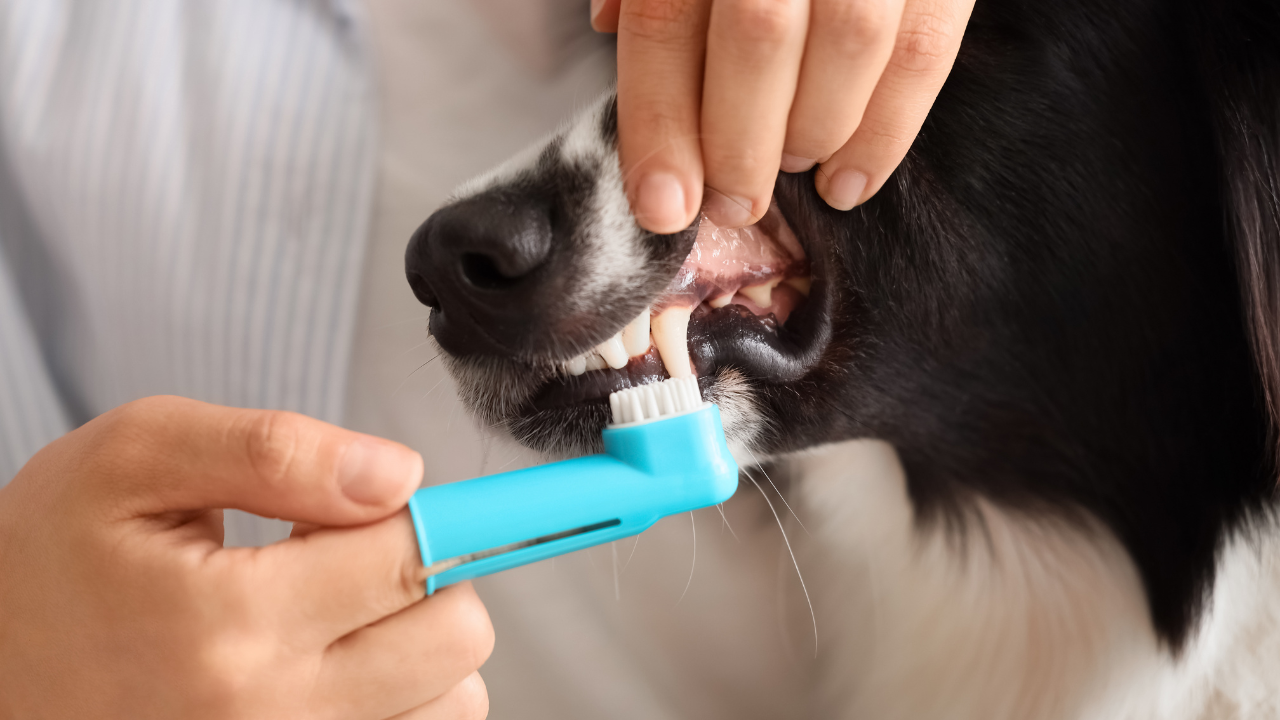
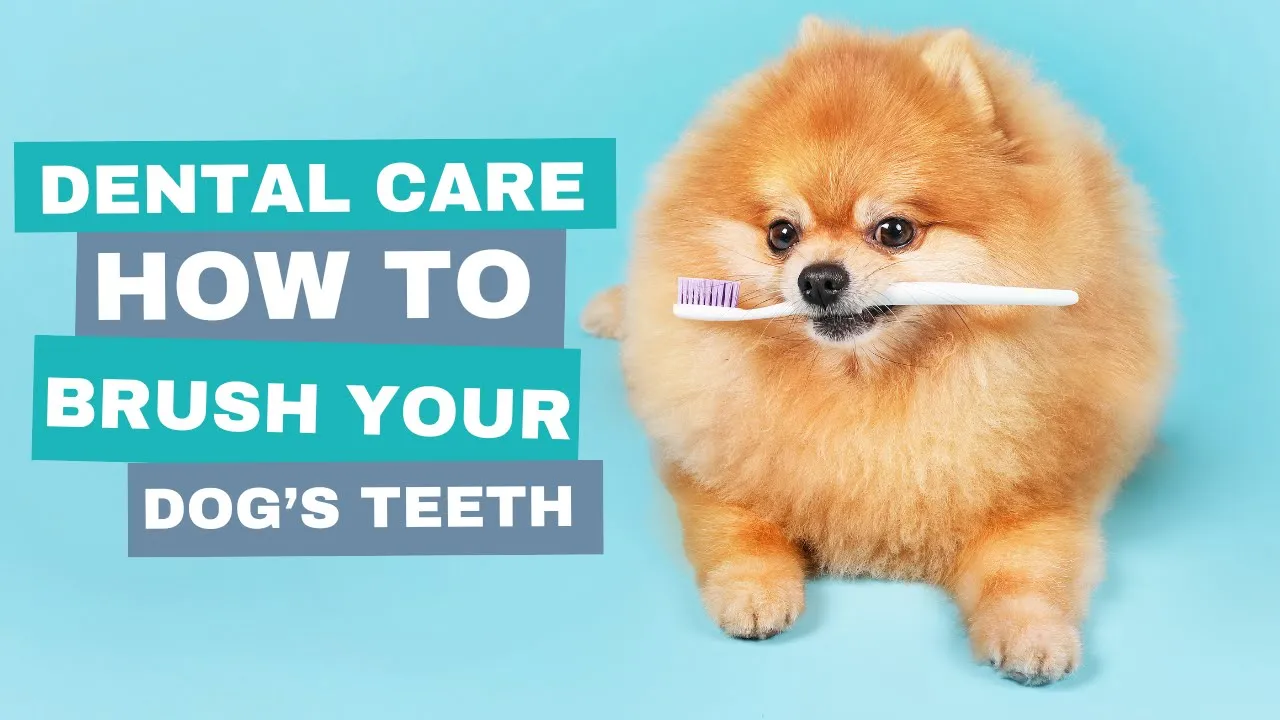
Brushing dogs teeth is the most reliable way to remove plaque. Use a dog-specific toothbrush and toothpaste. Do not use human toothpaste on dogs, as it can be toxic to them. Before you start, approach a dog calmly so they feel safe and relaxed. Start slowly, allowing your dog to get comfortable with the brush. Make gentle, circular motions when cleaning each tooth. Gradually increase the time and frequency. Brushing daily is ideal, but even a few times a week can make a significant difference. Watch the tutorial video below to learn how to brush your dog's teeth like the pros.
2. Dental Chews and Treats
Dental chews are an easy and enjoyable way to combat plaque. Chewing helps scrape off plaque from the teeth. Look for products approved by veterinary dental associations. Chewing also stimulates saliva, which naturally helps fight bacteria. Treats can be a fun reward while supporting oral health. Rotate different types of dental chews to keep your dog interested and engaged.
3. Water Additives
Water additives are an effortless way to reduce plaque buildup. It's as simple as adding them to your dog's water. These products help decrease bacterial growth and freshen breath. Regular use supports long-term oral hygiene. Water additives are particularly useful for dogs that resist brushing or have sensitive teeth.
4. Professional Dental Cleaning
Sometimes home care isn’t enough. Professional cleaning by a veterinarian removes hardened plaque and tartar. The procedure is done under anesthesia to ensure safety and thoroughness. A vet can also check for early signs of gum disease or tooth decay. Regular professional cleanings are an important part of maintaining oral health, especially for older dogs or breeds prone to dental problems. Skipping these cleanings or relying on inadequate care is a hallmark of a bad groomer, so schedule appointments consistently.
5. Dental Toys
Interactive dental toys help remove plaque naturally. Chewing on textured toys scrapes off plaque while providing mental stimulation. Look for interactive dog toys designed to reach back teeth and hard-to-reach areas. Supervise your dog to ensure safety, especially with tough chew toys. Rotating toys can keep them interested and make plaque removal more effective.
6. Diet Adjustments
Diet plays a crucial role in oral health. Dry kibble can help mechanically reduce plaque, while certain veterinary diets are formulated specifically for dental care. Avoid sticky or sugary foods that promote bacterial growth. Consult your vet before changing your dog’s diet to ensure it meets nutritional needs. A proper diet complements other dental care methods and helps prevent future plaque buildup.
7. Enzyme-Based Gels and Sprays
Enzyme gels and sprays are applied directly to the teeth and gums. They target plaque-causing bacteria and help reduce tartar formation. These products are especially useful for dogs that resist brushing. Apply them as directed by the manufacturer or your veterinarian. When combined with regular grooming and chew toys, enzyme gels become a powerful tool for maintaining your dog’s oral health.
Preventing Plaque: Long-Term Oral Health Strategies
Preventing plaque is easier than treating it. Here are strategies for long-term dental health:
- Daily Brushing: Consistency is key. Even short, frequent brushing sessions help.
- Routine Vet Checks: Regular veterinary care can catch early signs of plaque or gum disease.
- Provide Chew Toys and Dental Treats: Keep your dog engaged and naturally clean dog teeth.
- Balanced Diet: Avoid excessive soft or sugary foods.
- Water Additives or Dental Sprays: Use these products to supplement brushing and chew toys.
- Observe Oral Health Regularly: Check gums, teeth, and breath weekly.
By combining preventive measures with effective cleaning dogs teeth, you can improve your dog's dental health and prevent plaque buildup from becoming a serious problem.
How to Make Dog Dental Care Stress-Free for You
Keeping your dog’s teeth clean doesn’t have to be difficult. At PDGA, our expert-led pet grooming courses teach you practical techniques to make dental care simple and stress-free. You’ll learn how to handle your dog calmly, introduce brushing gradually, and use safe dental tools effectively. Our step-by-step guidance ensures you feel confident during every session. With real-life demonstrations and expert tips, you’ll discover how to make dental routines enjoyable for both you and your dog. Whether you’re new to grooming or looking to refine your skills, PDGA provides the knowledge and support you need. Enroll today and transform dental care into a positive, easy part of your dog’s daily routine.
Conclusion
Plaque buildup on your dog’s teeth is a common issue, but with the right knowledge and preventive strategies, it is entirely manageable. Regular brushing, dental chews, an appropriate diet, and veterinary care can prevent plaque from turning into a painful dental disease.
By following the methods outlined in this guide, you can learn how to get plaque off dog teeth effectively, clean dog teeth, breathe fresh, and achieve overall optimal health. Remember, healthy teeth contribute to a happy, active, and comfortable life for your furry friend.
Taking small steps today in dental care can prevent major health issues tomorrow, ensuring your dog enjoys years of play, companionship, and good health.